Solo traveller who wants to finish their portion
You want to open just one piece during the journey, without putting a half-eaten large bar back in your bag. Check the weight of the individual piece, not just the total weight of a multipack.


For a treat to enjoy on your own on the train, choose a suitably sized bar or take an individually wrapped piece from a multipack, rather than opting for a large festive bar to share. If the Christmas theme matters to you, check the format and availability when you shop. For each product, read the ingredients, allergen and nutritional information, whether or not it displays a Nutri-Score.
You want to open just one piece during the journey, without putting a half-eaten large bar back in your bag. Check the weight of the individual piece, not just the total weight of a multipack.
You want to compare things like sugar and fat content. Check the values per 100 g as well as the amount you plan to eat. According to Santé publique France, displaying the Nutri-Score is voluntary.
The exact recipe matters more than the brand name. Before packing a filled or praline bar, read the ingredients list and any ‘may contain’ warnings on the packaging you buy.
For a train journey, start with the portion you want to take with you, then check the label and, if you’re looking specifically for Christmas chocolate, the product available when you shop.
| What to consider | What to check | Who is it for? |
|---|---|---|
| Portion to take with you | The weight of each piece, the number of pieces and their packaging, rather than just the total pack weight. | If you want a treat for the journey without having any left over, a separate portion is the most important thing. Around 37% of consumers put this individual format at the top of their list of needs. |
| Nutritional information | Sugars and fat per 100 g, followed by the amount in the piece you’ll eat; check the Nutri-Score if one is shown. | If you want to compare two recipes before choosing, their nutritional values are more useful than the presence of a logo alone. Around 27% of consumers prioritise this comparison. |
| Allergens | The ingredients list for the exact product and any ‘may contain’ warnings. | If you need to avoid an ingredient, you can’t rely on a similar recipe or the brand name. Around 18% of consumers put suitability for their dietary requirements first. |
| Christmas-themed product | The format actually on sale and its availability at your chosen shop or collection point. | If you want Christmas packaging or a festive recipe, even if that means fewer small portions to choose from, finding a seasonal product is the priority for around 18% of consumers. |
A festive bar isn’t necessarily designed to be finished during a journey. Carrefour, for example, has listed a 360 g Toblerone Christmas bar.
Check the bar’s weight before you shop. If you want a single portion, consider a small bar or an individual piece from a multipack.
Santé publique France explains that displaying this logo is voluntary. Its absence doesn’t tell you everything about the composition of a chocolate product.
If a Nutri-Score is shown, use it as additional information. Also compare the nutritional values and ingredients of the products you’re considering.
An Auchan listing for a Knoppers bar mentions milk, hazelnuts, wheat, soya and peanuts, as well as the possibility of traces of other ingredients. This ingredient list doesn’t apply to every bar.
Check the ingredients and any ‘may contain’ warnings on the packaging of the exact product you’re buying.
A Carrefour listing for a Toblerone Christmas bar said the product was unavailable. Seeing a festive product online doesn’t guarantee it will be in stock when you shop.
Check availability at your chosen shop or collection point just before you buy. If an individual format matters more than Christmas packaging, keep a standard bar as a back-up option too.
These pointers can help you identify the formats featured in product ranges and catalogues. They don’t guarantee that a particular product will be available at your local shop.
Lindt’s French shop offers a range of chocolate formats and Christmas collections.
Kinder offers products such as individually portioned bars in multipacks.
Carrefour’s chocolate bar range includes products weighing 30 g and 45 g.
E.Leclerc DRIVE’s Christmas chocolate range features Toblerone bars among other festive formats.
Auchan’s range includes bars in multipacks, including a 4 × 45 g format.
Lidl has featured a 125 g Sondey milk-filled chocolate bar in a dated promotion.
These products include a 47 g chocolate bar, a pack of mini bars and chocolate-coated biscuit sticks. If you’re specifically looking for Christmas chocolate to take on the train, check the presentation and packaging of each product before choosing.
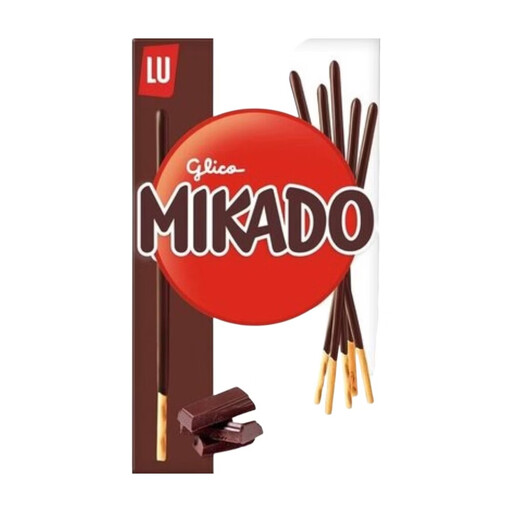 Image unavailable
Worth considering if you’d rather take biscuit sticks than a traditional chocolate bar. These are chocolate-coated biscuits sold in a 75 g pack.
Before your journey, check how the sticks are packaged and read the ingredients and allergen information on the packaging. If a Christmas theme is essential, check the product’s presentation too.
 Image unavailable
This pack of nine mini bars could suit someone who wants to take one piece for the journey and save the rest for later.
Check whether each piece is individually wrapped, then read the ingredients and nutritional information for the product on sale before comparing it with others. Don’t assume it’s a Christmas product just because of its format.
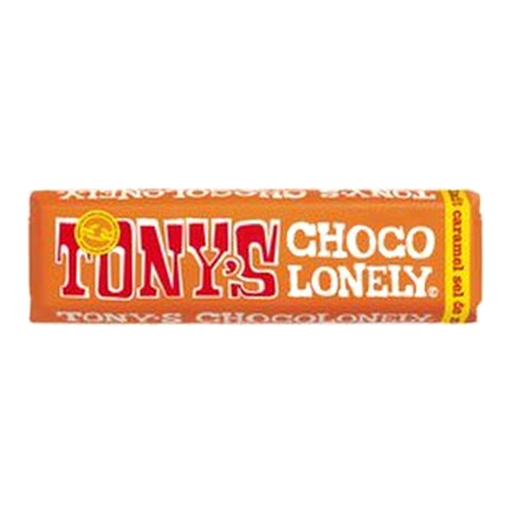 Image unavailable
This 47 g bar is sold individually rather than as part of a multipack.
Check the packaging before taking it on the train. Also read the ingredients, allergen and nutritional information for the product on sale. The format alone doesn’t mean it has a Christmas theme.
No. According to the Direction générale des Finances publiques, the so-called ‘soda tax’ applies to sugary drinks, not solid chocolate bars. Sugar content is still worth checking when you compare chocolate, regardless of this tax.
No. Santé publique France says producers display the Nutri-Score voluntarily. EU Regulation No 1169/2011 covers, among other things, ingredient lists and nutrition declarations where these are required. Check this information even if the logo isn’t shown.
Compare their nutritional values per 100 g, especially sugars and fat, then consider how much you’d eat and read the ingredients. The absence of a logo alone doesn’t tell you whether one bar is more or less suitable than another.
Read the ingredients list and any ‘may contain’ warnings for the exact product. Depending on the product, the recipes we checked mention milk, hazelnuts, wheat, soya or peanuts. The ingredients list for another bar, even from the same brand, is no substitute for checking its label.