Anyone making several desserts
If you’re filling several batches of crêpes or Christmas biscuits, work out how much you’ll need in total before choosing a jar. Carrefour France lists 700 g, 825 g and 1 kg jars for the products mentioned here.


For several Christmas desserts, choose the amount of chocolate spread according to the recipes you have planned. If you’re making just one dish, a small jar helps you avoid buying more than you need. A large jar is still a single container, not a pack of portions for lunchboxes. Before serving guests, check the ingredients and allergens for the specific product you’ve chosen.
If you’re filling several batches of crêpes or Christmas biscuits, work out how much you’ll need in total before choosing a jar. Carrefour France lists 700 g, 825 g and 1 kg jars for the products mentioned here.
If the chocolate spread also needs to go out and about, distinguish between a jar of an ingredient and a ready-to-pack snack. You’ll need separate food containers to divide a large jar into portions.
When making desserts for several guests, the recipe matters just as much as the pack size. Check the allergens and any other requirements on the exact product, particularly if you’re looking for a plant-based option.
First decide whether you’ll mainly use the chocolate spread for cooking or for portions to take with you. Then choose the right jar size and recipe.
| What to consider | What to check | Who is it for? |
|---|---|---|
| Amount for cooking | Estimate how much you’ll need for all your recipes; one jar doesn’t provide separate portions. | If I’m making several batches for my guests, I want enough chocolate spread without having to switch containers. This is a priority for around 36% of consumers. |
| Portions to take with you | Distinguish between chocolate spread in a jar and a ready-made snack, and use suitable food containers if needed. | For lunchboxes, I prefer portions that are easy to divide up and carry; around 29% of consumers put this need first. |
| Ingredients | Read the ingredients and allergen information for the specific product; a “plant-based” or “no added sugars” claim won’t meet every requirement. | When I’m cooking for guests with different dietary requirements, ingredient suitability comes before pack size. It’s the top priority for around 21% of consumers. |
| Amount left over | Compare the jar’s weight with the recipes you have planned and the storage instructions after opening. | For a single recipe, I’d rather avoid a jar I’ll only use part of; around 14% of consumers prioritise a suitable amount. |
An 825 g or 1 kg jar may provide enough for several desserts, but it doesn’t contain individual portions for lunchboxes.
Choose the amount you need for your recipes separately from how you’ll divide up portions to take with you.
“Plant-based”, “organic”, “palm oil-free” and “no added sugars” describe different characteristics. None of them means you can skip checking the ingredients and allergens.
First check the ingredients of the exact product you plan to serve your guests, then look at any other characteristics that matter for your recipe.
The French Ministry of Health describes Nutri-Score as a recommended label, not a general requirement for all chocolate spreads.
If it appears on the packaging, use it as additional information; also check the nutrition table and ingredients list.
Carrefour France lists classic chocolate spread in 825 g and 1 kg jars, as well as Nutella Plant-Based in a 350 g jar.
Carrefour France lists a 400 g jar of palm oil-free chocolate and hazelnut spread.
Carrefour France lists a 700 g jar of organic hazelnut spread with no palm oil.
Carrefour France lists a 400 g jar of a French hazelnut spread labelled “no added sugars”.
These jars of chocolate spread suit different quantity needs for Christmas desserts. Each is a single container, so make separate arrangements for portioning it into lunchboxes.
 Image unavailable
Consider this if you need a 1 kg jar of chocolate spread for several desserts.
This is one jar, not separate portions. Check the allergens on the label before serving your guests.
 Image unavailable
Worth considering if you’re planning to use a large amount of chocolate spread.
The 3 kg size means you’ll need to be able to use and store a large container; it isn’t a pack of individual portions.
 Image unavailable
The 750 g jar may suit several recipes if you’d rather not buy a container weighing several kilos.
It doesn’t come in separate portions; check the allergens on the label of the exact product.
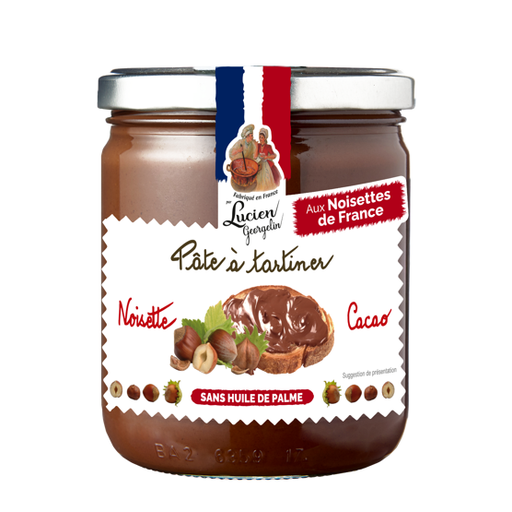 Image unavailable
The 400 g jar may be a better fit for a one-off dessert than for several large batches.
This isn’t a pack of portions. Check the allergens listed on the label.
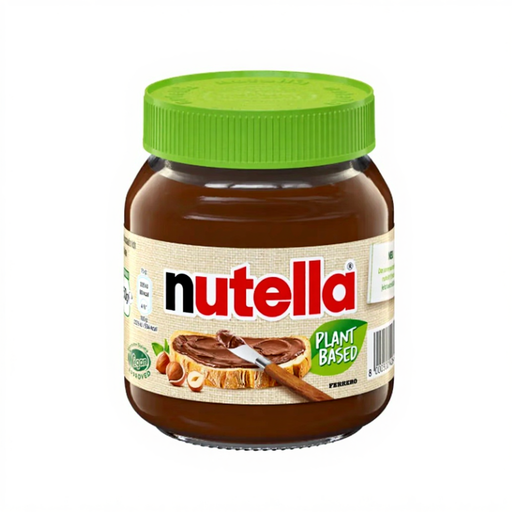 Image unavailable
This 350 g jar may suit a smaller recipe if you’re looking for the Plant-Based variety.
“Plant-Based” doesn’t guarantee that a product is allergen-free. Check the ingredients list and the label on the exact jar before serving.
No: a large jar gives you more spread, but not separate portions. If you also want to prepare lunchboxes, use suitable food containers and follow the product’s storage instructions.
Not necessarily. The ingredients list for Nutella Plant-Based shown by Carrefour France mentions hazelnuts and soya lecithin; check the allergens on the exact jar you plan to use in your recipe.
No. Naturally occurring sugars may still be present, so check the “sugars” line in the nutrition information and the ingredients list for the product you choose.
No. The French Ministry of Health describes Nutri-Score as a recommended label in France, not a general requirement for every chocolate spread. Its absence isn’t enough to conclude that a product doesn’t comply with regulations.
No: the contribution described by Légifrance applies to drinks and liquid preparations for drinks, not chocolate spread in a jar. To compare two recipes, look instead at their ingredients and nutrition information.