Marathon runners planning their fuelling
You’re looking for a portion with a known carbohydrate content that you can try on your long runs before deciding whether to take it with you on race day.


An individual chocolate bar can be a tasty treat for a break or part of a fuelling plan you’ve already tested, but its size alone doesn’t make it suitable for a marathon. If you plan to eat it during the race, check the carbohydrate content of the portion you’ll carry and how it fits into your drinks and fuelling strategy. For a treat off the course, the format and ingredients may be more important when choosing.
You’re looking for a portion with a known carbohydrate content that you can try on your long runs before deciding whether to take it with you on race day.
You’d rather take an individual portion with you before or after training, or simply enjoy it off the course, than open a chocolate bar or selection box.
You compare the recipe for each product, including declared allergens and any possible traces, before making your choice.
First decide whether the chocolate is for a treat or for fuelling during exercise: the same individual format won’t necessarily suit both purposes.
Consider it: for a tasty break, or if you’ve already tried it as part of your fuelling plan.
Keep in mind: check the weight of the bar and its carbohydrate content per portion before including it in a race plan.
Consider it: if your priority is planning your carbohydrate intake during prolonged exercise.
Keep in mind: according to World Athletics, your plan should also account for drinks and digestive tolerance, and be practised in training.
| Criterion | What to check | Who is it for? |
|---|---|---|
| Carbohydrates during exercise | The carbohydrate content of the actual unit you’ll carry and how it fits in with your other planned intake during the race. | If I plan to eat this bar while running, I want to be able to fit the portion into a plan I’ve already tried in training. Around 50% of shoppers put this predictable fuelling option first. |
| Individual format | The weight of one unit and whether it is actually individually wrapped, rather than assuming this from the word “bar” alone. | For a chocolate break without opening a whole selection, I’m looking for an easy-to-carry portion. This is the priority for around 30% of shoppers. |
| Recipe and allergens | The ingredients list, any declared allergens and the nutritional information per 100 g or per portion, where shown on the packaging. | If certain ingredients don’t suit me, I need to check the recipe for the exact product before choosing. This comes first for around 20% of shoppers. |
Festive packaging or a small size doesn’t tell you how many carbohydrates you’ll get per unit. World Athletics also stresses the importance of practising your strategy before competition, taking drinks and possible digestive discomfort into account.
If you plan to eat the bar during the marathon, check the carbohydrate content of the exact portion and try it on your long runs.
The DGCCRF explains that Nutri-Score is voluntary. Whether or not it appears on the packaging, it doesn’t replace checking the portion, ingredients and nutritional values relevant to your choice.
Compare the nutritional information on the packaging and check the weight of the unit you plan to eat.
The Ministry of the Economy describes this levy as applying to sweetened drinks. It can’t be used to assess a chocolate bar.
To compare bars, check the carbohydrates, sugars, fat and ingredients listed on their packaging.
Ingredients vary from one product to another, and a bar sold individually isn’t necessarily individually wrapped in every pack.
Check the packaging, allergens and format of the product you’re buying before planning to take it with you.
Lindt offers Christmas chocolates in selection boxes and bags. Carrefour France also lists a 33 g Lindt milk chocolate and hazelnut bar, which is separate from these assortments.
Kinder Bueno is a chocolate-covered wafer, sold in packs containing several units, rather than a product specifically identified as Christmas chocolate.
The retailer provides ingredients and nutritional information for its chocolate products, including its Carrefour Original Chocolat Noir Dessert bar.
The retailer stocks Marque Repère chocolate bars and chocolate drops, which should be checked product by product.
One Auchan chocolate-filled biscuit bar comes in individual sachets; it’s a biscuit, not a chocolate bar.
Lidl stocks chocolate bars and Kinder products among its confectionery range.
These products let you compare an exercise bar with small confectionery, chocolate biscuits and a chocolate bar for a break. Their inclusion here doesn’t mean they’re Christmas editions or that they’re suitable for marathon fuelling without trying them first.
 Image unavailable
If you’re considering an exercise bar rather than a festive treat, compare the carbohydrates in each unit with the other items in your plan and try this format in training. The pack contains twelve 68 g bars; their weight alone doesn’t tell you whether they’re suitable for your fuelling plan.
 Image unavailable
For a small chocolatey treat, distinguish the weight of the pack from the weight of the piece you’ll take with you. This is a pack of nine pieces weighing 104,4 g in total; check the nutritional information for your chosen portion on the packaging before adding it to a race plan.
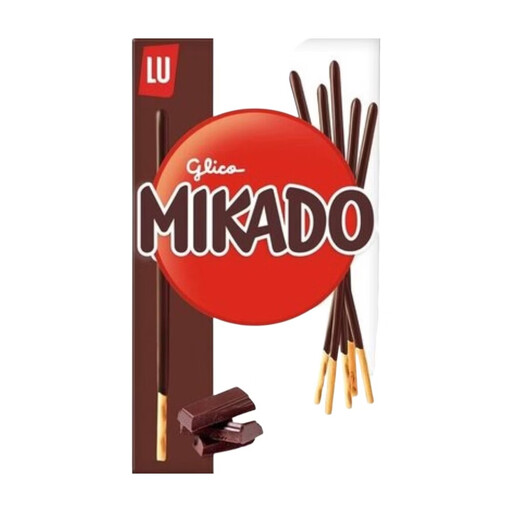 Image unavailable
If you fancy a chocolate-covered biscuit stick, check how many you plan to take: this chocolate-coated biscuit isn’t an individual chocolate bar. The pack weighs 75 g. To calculate your intake during exercise, use the amount you’ll actually carry and the information on its packaging.
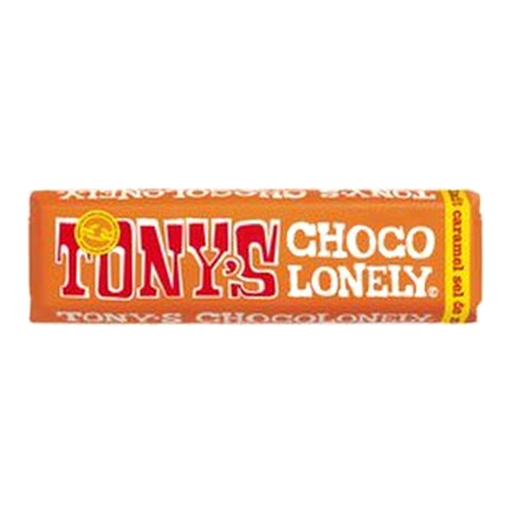 Image unavailable
For a chocolate break in bar form, the 47 g format gives you a clearly stated unit weight. If you’re thinking of eating it during the race, check the carbohydrate content for the whole bar in the nutritional information before including it in your planned intake.
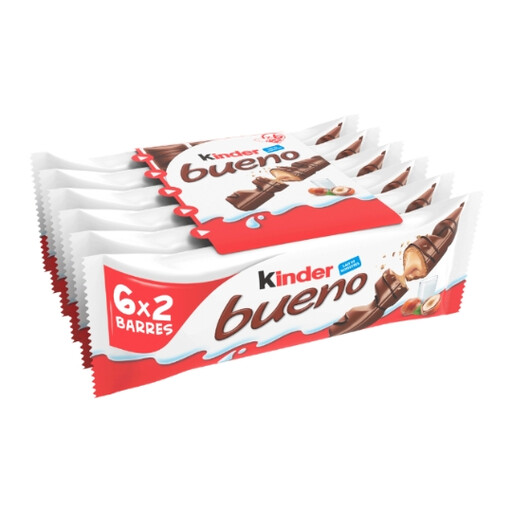 Image unavailable
If you’re planning several breaks, this pack contains six chocolate-covered wafer bars. Check the weight, carbohydrates and packaging of each bar before planning to have one during the race; the number of units in the pack doesn’t provide this information.
Yes, if the portion fits your personal strategy and you’ve already tried it in training. For efforts lasting more than 2 h 30, World Athletics refers to intakes of up to 90 g of carbohydrates per hour. This guideline doesn’t mean that any particular bar is suitable for your race, and should be considered alongside drinks and digestive tolerance.
No. The DGCCRF states that Nutri-Score is voluntary. However, the European Commission explains that a nutrition declaration applies to the vast majority of prepacked foods. Check it to compare carbohydrates and sugars in particular, taking the portion into account.
No: the Ministry of the Economy says this levy applies to sweetened drinks. For a chocolate bar, check its nutritional information rather than using the tax as a way to choose.
Read the ingredients list and any trace-allergen information on the packaging of the exact product. Depending on the recipe, the Carrefour France examples include milk, hazelnuts, almonds, soya or wheat: the ingredients in one bar won’t necessarily be the same as in another.