Anyone looking for a portion for a single break
If you don’t want to open a large pack, the weight of a bar sold individually gives you a straightforward guide. Lindt, for example, describes its 33 g NUXOR bar as a handy on-the-go format.


For a solo break during the school holidays, start by choosing a portion with a clearly stated weight. Then compare the sugars per 100 g and, where shown on the label, per piece. A single bar means you don’t have to open a multipack; individually wrapped mini bars are another good option if you want to spread out several breaks. In either case, check the allergens for the exact recipe and the Christmas packaging if that matters to your purchase.
If you don’t want to open a large pack, the weight of a bar sold individually gives you a straightforward guide. Lindt, for example, describes its 33 g NUXOR bar as a handy on-the-go format.
When choosing a snack for the school holidays, check the sugars and other nutritional values per 100 g, then look at the amount in the piece you’ll be eating. The DGCCRF states that a nutrition declaration is compulsory for the relevant prepacked foods, while Nutri-Score is optional.
An individual portion doesn’t tell you what’s in the product. Depending on the recipe, Auchan product listings for portion-sized chocolate treats mention ingredients such as milk, soya, wheat or peanuts. Check the packaging of the product you choose.
Start with the piece you plan to eat. Its weight helps you understand the nutritional information per portion, while the figures per 100 g make it easier to compare recipes.
| What to check | Look for | Who is it for? |
|---|---|---|
| Individual portion | The weight per piece and the number of pieces in the pack. | For a single break, I want to know how much the bar contains without opening a sharing pack. Around 46% of consumers prioritise this portion guide. |
| Sugars and labelling | Sugars per 100 g, then per portion if that figure is provided. | If I’m choosing between two recipes, I want to compare them on the same basis before looking at what’s in one piece. Around 36% of consumers prioritise checking the nutritional values first. |
| Ingredients and allergens | The ingredients list and allergen information on the packaging you choose. | If I need to avoid an ingredient, the type of chocolate or the bar format isn’t enough to help me decide. For around 18% of consumers, recipe suitability is the main concern. |
Article 1613 ter of the French General Tax Code, published by Légifrance, applies to drinks and liquid preparations for drinks, not solid chocolate bars.
When choosing a bar, check its weight, ingredients and nutritional values instead.
The DGCCRF says this logo is optional. Its absence doesn’t replace the need to read the nutrition declaration on the relevant prepacked foods.
Compare the figures per 100 g and, if shown on the label, per portion; check the allergens separately.
A multipack of mini bars and a bar sold individually won’t necessarily provide the same amount for each break. Figures per 100 g and per piece answer two different questions.
Check the weight of one piece, then use the same basis to compare two recipes.
The ingredients in a milk chocolate and hazelnut bar may differ from those in a chocolate biscuit or another variety from the same brand.
Read the ingredients and allergen information on the pack you’re buying, even if you already know the product.
Worth considering if you’re looking for a bar sold individually: Lindt describes NUXOR as a 33 g milk chocolate and hazelnut bar.
Consider this brand if you’d rather have several portion-sized pieces than one bar sold individually.
Its chocolate bar range includes a Carrefour pack of ten 21 g pieces.
Its listings for portion-sized products include examples of mini bars and chocolate biscuits in individual wrappers.
This selection includes bars sold individually and a pack with several pieces, so you can plan breaks during the school holidays. If you’re specifically looking for Christmas chocolate, check the packaging and recipe of the product before buying.
 Image unavailable
A good choice for a break with a single bar of a clearly stated weight. Compare its nutritional values with those of other recipes on the same basis, and check the allergens on the packaging.
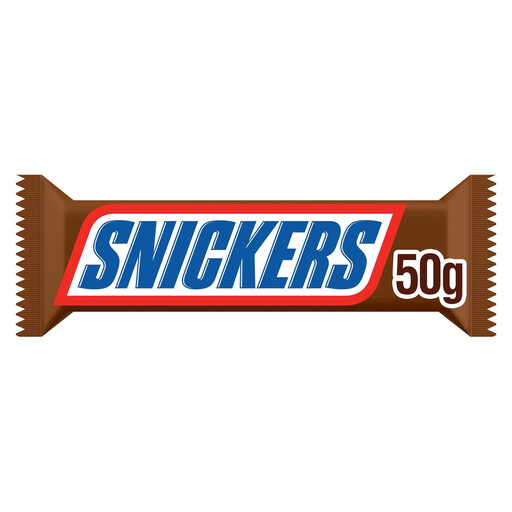 Image unavailable
A good choice if you’re specifically looking for a bar with peanuts and caramel. It weighs 50 g; check the allergens and the sugars per piece on the label.
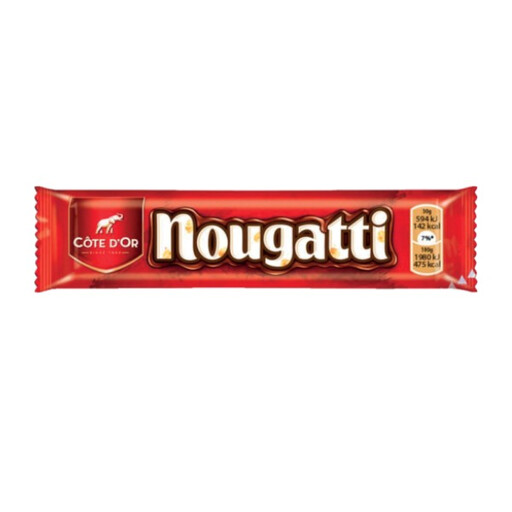 Image unavailable
A good choice for a 30 g bar combining nougat and hazelnuts. Check the ingredients list if you need to avoid certain allergens, and compare the nutritional values per 100 g.
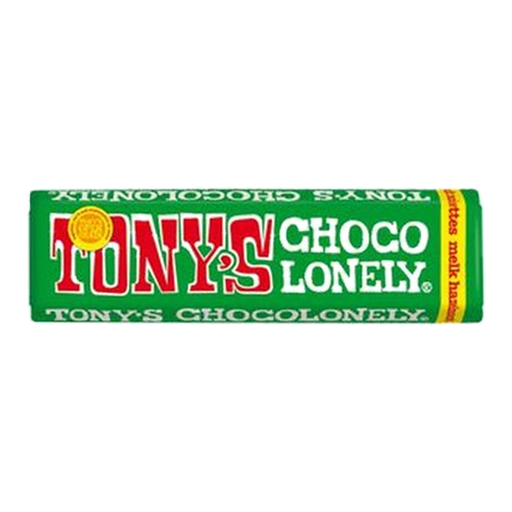 Image unavailable
A good choice for a 47 g milk chocolate and hazelnut bar. Weight alone isn’t enough to compare recipes: check the sugars per 100 g and the allergen information too.
 Image unavailable
A handy way to spread several breaks across a pack of nine pieces. Check the weight and nutritional information per piece on the packaging, along with the ingredients in this variety.
No, not under the contribution described in Article 1613 ter of the French General Tax Code published by Légifrance. This legislation applies to drinks and liquid preparations for drinks. A solid chocolate bar doesn’t fall within this definition.
No. The DGCCRF says Nutri-Score is optional in France. For the relevant prepacked foods, the compulsory nutrition declaration lets you check sugars, fat and energy, among other things.
First compare their nutritional values per 100 g, then check the amount in the piece you plan to eat. For example, Auchan’s Mars Minis listing gives 11 g of sugars per 18 g portion; this figure doesn’t apply to other bars.
Read the ingredients and allergen information for the exact product, including any warnings about possible traces. Examples of chocolate products listed by Auchan show that ingredients vary between recipes and may include milk, soya, wheat, peanuts or tree nuts.