For a bike ride, choose an individual chocolate bar based on how you plan to use it: as a source of carbohydrates during your ride or as a tasty treat afterwards. Knowing the portion size and carbohydrate content can help you plan your fuelling, but a bar alone won’t replace a strategy suited to the duration of your ride. Check the fat content and allergens too, and make sure you know how well it suits you during exercise. If you’re specifically looking for a Christmas chocolate, check the packaging to confirm it’s a seasonal product.
Who are these bars for?
Cyclists planning their fuelling
For a long or intense ride, the amount of carbohydrate in each bar matters more than the fact that it comes in an individual portion. A publication cited by the National Library of Medicine recommends 30 to 60 g of carbohydrates per hour for intense exercise lasting 1 to 2.5 hours. A bar can be one of the foods and drinks you plan to take with you.
Cyclists looking for a post-ride treat
If you’re having the bar as a treat rather than for fuelling during exercise, taste, portion size and ingredients take on a different importance. A nut-based recipe might be just right for a break, but that doesn’t necessarily make it a main source of carbohydrates while cycling.
People checking for allergens
The type of chocolate alone doesn’t tell you whether a recipe is suitable for you. Before buying, read the ingredients list and ‘may contain’ warnings on the exact product, especially if milk, tree nuts, peanuts, soya, cereals or eggs are a concern.
What should you check before choosing?
First decide whether you’ll eat the bar during your ride or during a break. The same portion won’t necessarily suit both occasions.
| What matters |
What to check |
Who it matters to |
| Carbohydrates during the ride |
Weight of each bar and carbohydrates per portion; how much you plan to have alongside your other sources. |
When your ride calls for planned fuelling, knowing the amount in each bar helps you work out how it fits into your overall plan. Around 33% of consumers prioritise carbohydrate content. |
| Post-ride break |
Portion size, carbohydrates, fibre and fat; when you plan to eat it. |
If the bar is mainly a post-ride snack, its ingredients matter more than its ability to provide carbohydrates during exercise. This is the main priority for around 20% of consumers. |
| Allergens |
Ingredients in the exact product and any ‘may contain’ warnings on its packaging. |
If you need to avoid a particular ingredient, the recipe name isn’t a substitute for reading the label. Ingredient suitability is the top priority for around 27% of consumers. |
| Reading the label |
Values per 100 g and the weight of each bar; Nutri-Score, if shown. |
When comparing two bars of different sizes, I want to know what’s actually in each one rather than relying on the logo on the front alone. Around 20% of consumers put portion comparisons first. |
What mistakes should you avoid?
-
Assuming every chocolate bar is suitable for sports fuelling
Nutrition varies: Auchan’s product information for Mars lists 32 g of carbohydrates and 7 g of fat per 45 g bar, while BE-KIND’s lists 9.6 g of carbohydrates and 15 g of fat per 40 g bar. These portions won’t play the same role in a fuelling plan focused on carbohydrates.
Decide how you’ll use the bar, compare the carbohydrates per bar and try it during training before taking it on a demanding ride.
-
Choosing based on Nutri-Score alone
The Ministry of the Economy states that displaying Nutri-Score is voluntary in France. If it isn’t shown, you should still read the nutrition information; its absence doesn’t tell you on its own whether a bar is suitable for cycling.
Check the portion size, carbohydrates, sugars and fat. Use Nutri-Score as extra information when it appears on the packaging.
-
Guessing the allergens from the chocolate’s name
The recipes mentioned by Lindt and Auchan have different ingredients and warnings, particularly for milk, tree nuts and peanuts. The product name doesn’t tell you everything you need to know.
Read the label on the product you’re buying, including any warnings about traces, rather than relying on the label for another variety.
-
Applying the sugary drinks tax to solid chocolate
The rates published by the French Public Finances Directorate General apply to a levy on non-alcoholic drinks with added sugars. The sugar content of a chocolate bar doesn’t make it a drink in this category.
To compare bars, check their nutrition information and the weight of each portion.
Brands and products to know
Lindt
The range includes hazelnut bars such as Noccio and Nuxor. Think of these as individual chocolate treats rather than sports nutrition products.
- Lindt France lists 49 g of carbohydrates per 100 g for its Noccio milk chocolate and hazelnut bar.
- The Noccio recipe includes hazelnuts and milk, among other ingredients. Check the packaging for your chosen variety if these ingredients are a concern.
Mars
A chocolate and caramel bar in an individual format, making it easy to compare the nutrition per portion.
- Auchan lists 32 g of carbohydrates per 45 g bar.
- The same portion contains 7 g of fat. Check the ingredients too before taking it on a ride.
BE-KIND
The nut bar with a dark chocolate coating offers a different kind of snack to compare by portion.
- For the 40 g bar featured by Auchan, the stated values are 6.8 g of protein and 5.2 g of fibre.
- This portion contains 9.6 g of carbohydrates and 15 g of fat, so it won’t meet a priority need for carbohydrates during exercise in the same way.
P'TIT DELI
The product featured by E.Leclerc is a milk-filled bar sold in a multipack. Check its category and portion size before comparing it with a plain chocolate bar.
- E.Leclerc lists 64.1 g of carbohydrates per 100 g for this product.
- The retailer gives this product a Nutri-Score E. The logo alone doesn’t tell you how many carbohydrates are in one bar or whether it contains ingredients you need to avoid.
Individual bars available on Joybuy
These products come in portions of chocolate or chocolate-coated wafer, ready to take along for a break. If you’re thinking of eating one during a ride, check the nutrition per portion. If you’re after a specifically Christmas-themed treat, check how the product is presented.
 Image unavailable
Toblerone Milk, 3 × 50 g bars
The multipack lets you choose a bar of a set weight for a break or prepare portions to take with you. Compare the nutrition information on the packaging and check the ingredients before planning to eat one during exercise.
View on Joybuy
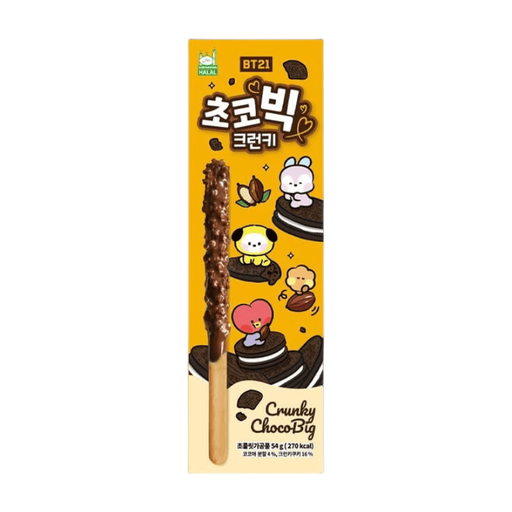 Image unavailable
BT21 Chocobig Crunky, 54 g
This individual bar gives you a 54 g portion to consider based on when you plan to eat it. Check the ingredients list and allergen information on the packaging before buying. If you’re thinking of taking it cycling, try it during training first.
View on Joybuy
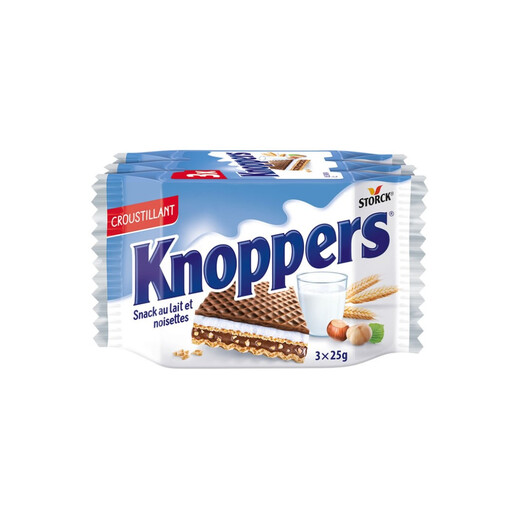 Image unavailable
Knoppers Milk & Hazelnut, 3 × 25 g
Each 25 g wafer is a small portion to take with you. It’s a filled wafer, not a plain chocolate bar, so compare it based on its recipe, portion size and the allergens listed on the packaging.
View on Joybuy
 Image unavailable
Nestle KitKat Strawberry Short Cake, 9 pieces, 104.4 g
This pack of nine pieces is handy for a small chocolatey break rather than choosing one large bar. If you want to include it in your fuelling plan, check the carbohydrates in the piece you’ll actually eat, as well as the ingredients on the packaging.
View on Joybuy
Frequently asked questions
Does the sugary drinks tax apply to a Christmas chocolate bar?
No. The levy described in the rates published by the French Public Finances Directorate General applies to non-alcoholic drinks containing added sugars, not to a solid chocolate bar simply because it contains sugar. To check a bar’s sugar content, look at its nutrition information instead.
Is Nutri-Score compulsory on individual chocolate bars in France?
No. According to the Ministry of the Economy, displaying Nutri-Score is optional. The DGCCRF states that prepacked foods generally carry nutrition information. Use it to compare values per 100 g, then use the bar’s weight to work out the values for your portion.
Can a chocolate bar replace a bar designed for cycling fuelling?
Not automatically. It depends in particular on the carbohydrates per portion and the role you have in mind for the bar. A publication cited by the National Library of Medicine recommends 30 to 60 g of carbohydrates per hour for intense exercise lasting 1 to 2.5 hours. A chocolate bar can contribute to your planned intake, but you should also consider its other ingredients and how well it suits you during exercise.
How do you compare two bars of different weights?
First compare their nutrition information per 100 g, then work out the carbohydrates, sugars and fat in each individual bar. This second step shows what’s in the portion you’re actually planning to eat, rather than the whole pack.


