For a crumb base, start with a plain biscuit such as a chocolate Digestive or shortbread, choosing a flavour that suits your recipe. Filled biscuits are better saved for serving or decorating if you want an even base, as the filling can affect the texture. Before you buy, compare the net weight, ingredients, allergens and nutritional values per 100 g.
Who are these biscuits for?
Anyone making a biscuit base
For a cheesecake, a no-bake tart or a yule log with a biscuit base, you’ll want a plain biscuit that’s easy to crumble. If your recipe calls specifically for a chocolate Digestive, Carrefour France lists McVitie’s Digestives Milk Chocolate, among other options, in a 200 g pack.
Anyone serving a dessert to share
If the biscuits will be arranged around the dessert or served alongside it, their shape and the quantity you need matter more than whether they’ll make a good crust. The net weight helps you work out how many packs you’ll need for the number of biscuits you want to serve.
Anyone checking ingredients
If you’re cooking for others, check the exact product before adding the biscuits to your dessert. The ingredients list, declared allergens and nutritional information let you compare products without guessing what’s in them from the name alone.
What should you look for?
First decide whether the biscuit needs to make a crumb base, stay whole for presentation or meet a particular dietary requirement. Each use calls for different checks.
| What to check | Things to look for | Who it matters to |
|---|
| Base texture |
Look for Digestive, shortbread or plain biscuit on the pack, then check whether the chocolate is a coating or a filling. |
For a cake base, I want to be able to crumble the biscuit without adding filling to the mixture. Around 40% of consumers put this texture requirement first. |
| Serving and presentation |
Decide whether the biscuits will be served whole or used as decoration, then compare the net weight. |
If the biscuits are going with the dessert, I mainly need enough for everyone and a presentation I’m happy with. This is the top priority for around 30% of consumers. |
| Ingredients and allergens |
Read the ingredients and allergen information; compare sugars, fat and salt on the same per-100 g basis. |
When I’m making a dessert to share, I need to check the ingredients and allergens in each component first. Around 30% of consumers prioritise this information. |
In France, the DGCCRF says allergens must be emphasised in the ingredients list, and nutrition declarations are required for most prepacked foods. If a pack carries a Nutri-Score, it provides additional information: displaying it is voluntary.
Common pitfalls to avoid
-
Taking ‘Digestive’ as a nutritional claim
The name helps you identify a type of biscuit, but it isn’t enough to compare two recipes.
Check the sugars, fat and salt per 100 g. If a Nutri-Score is shown, don’t use it as a substitute for the ingredients list and nutritional information.
-
Using a filled biscuit as if it were plain
The filling adds another ingredient to the crumb mixture and can affect the texture you want for a crust.
If your recipe calls for a plain biscuit base, start with a Digestive or shortbread that suits the flavour you’re after. Save filled biscuits for serving, decorating or a recipe that specifically calls for them.
-
Overlooking allergens in a biscuit used in small quantities
A decoration or biscuit base is still an ingredient in your dessert. Ingredients and ‘may contain’ warnings can vary from one product to another.
Check the allergens on the pack you’ll be using, especially if you’re sharing the dessert.
-
Judging by the apparent size of the pack
The size of the packaging doesn’t tell you how much biscuit a recipe needs.
Compare the quantity in the recipe with the pack’s net weight; count separately the biscuits you want to serve whole.
Brands and retailers to know
These examples cover different categories. A brand or retailer mentioned here won’t necessarily refer to the same type of biscuit as the others.
McVitie’s
Carrefour France lists a McVitie’s product called Digestives Milk Chocolate in a 200 g pack.
- Worth considering if your recipe calls for a chocolate Digestive.
- The name alone can’t guarantee how it will work in your recipe: check the ingredients and allergens for the variant you choose.
BJORG
Carrefour France’s listing for BJORG organic milk chocolate shortbread biscuits names milk chocolate, wheat flour and oat flour among the ingredients.
- An option if you’re looking for chocolate shortbread rather than a product labelled Digestive.
- This product contains wheat and milk. Its listing also warns that it may contain traces of egg, nuts, sesame and soya.
BN
A Joybuy France listing features BN chocolate-flavoured filled biscuits in a 285 g pack.
- A format to consider for serving alongside dessert.
- The filling sets this product apart from a plain biscuit intended for a crumb base.
Carrefour
The retailer lists McVitie’s Digestives and BJORG chocolate shortbread biscuits, among other products.
- Their product names make it easy to compare different types of biscuit in one catalogue.
- Here, Carrefour is the retailer listing these products, not their manufacturer.
E.Leclerc
An E.Leclerc listing features P’TIT DELI milk chocolate biscuit bars in a 150 g pack.
- Another type of chocolate biscuit to consider for serving or presentation.
- This product isn’t identified as a Digestive; check its ingredients before using it in a recipe.
Chocolate biscuits available on Joybuy
These LU biscuits are best suited to a dessert served with chocolate biscuits or decorated with them. If you’re crumbling them into a base, check that the coating or filling will work with your recipe.
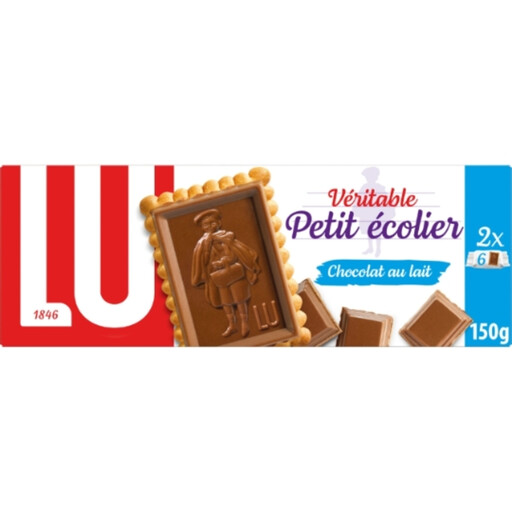 Image unavailable
LU Petit Écolier, milk chocolate, 150 g
Serve alongside a Christmas dessert, or consider these if your recipe works with a biscuit already covered in chocolate.
Butter biscuits covered in milk chocolate, in a 150 g pack. The product name doesn’t identify them as Digestives, so check they’ll give you the result you want before using them for a crumb base.
View on Joybuy
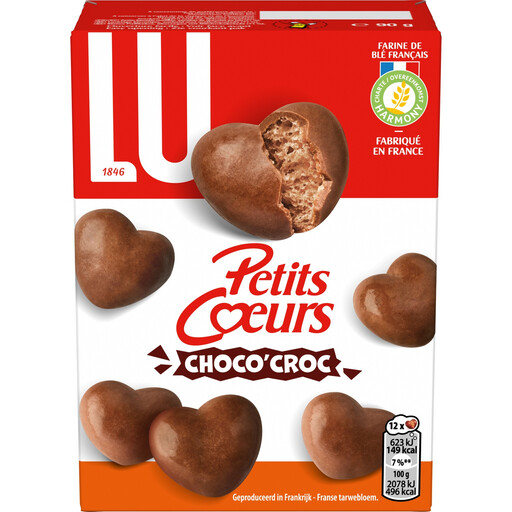 Image unavailable
LU Petit Cœur Choco’Croc, milk chocolate, 90 g
A chocolate biscuit to consider for serving alongside or decorating your dessert.
Biscuits covered in milk chocolate, in a 90 g pack. If you’re planning to crumble them, take the chocolate coating into account rather than treating them like plain Digestives.
View on Joybuy
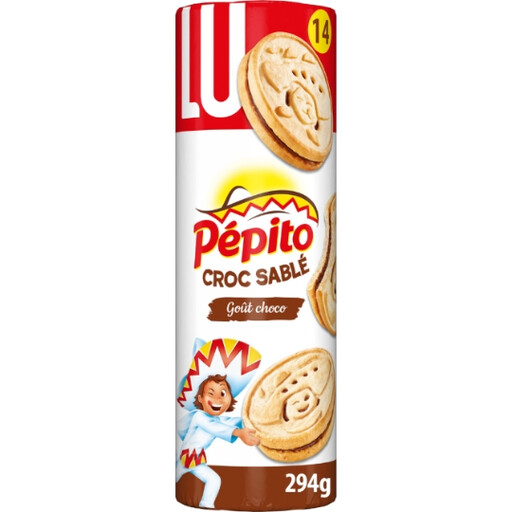 Image unavailable
LU PÉPITO Croc Sablé, milk chocolate, 294 g
Consider these for serving alongside dessert rather than using them as a direct substitute for a plain biscuit in a base.
Shortbread biscuits filled with milk chocolate, in a 294 g pack. The filling can affect the texture of a crumb mixture.
View on Joybuy
Frequently asked questions
Does the ‘soda tax’ apply to chocolate biscuits?
No. The French Ministry of the Economy describes this contribution as applying to sugary drinks, not solid biscuits. To compare biscuits, check the sugar content in their nutritional information instead.
Does Nutri-Score have to appear on biscuits in France?
No. The DGCCRF says displaying it is voluntary. However, nutritional declarations are required for most prepacked foods. They let you compare sugars, fat and salt on a consistent basis, usually per 100 g.
Which allergens should you check for a dessert to share?
Read the allergens emphasised in the ingredients list on the pack you’re using, as well as any ‘may contain’ warnings. For example, Carrefour France’s listing for BJORG shortbread biscuits names wheat and milk, and warns that the product may contain traces of egg, nuts, sesame and soya. Don’t assume the same applies to other biscuits.
Can a filled biscuit replace a Digestive in a cake base?
You’ll need to allow for a potentially different texture and flavour: the filling adds to the crumbs and can affect how well the base holds together. If the recipe calls for a plain biscuit, choose one that fits the instruction, or try a small amount of the filled biscuit before changing the whole mixture.


