If protein content is your top priority, compare the figures per 100 g: Auchan and Daco Bello roasted almonds with no added salt contain 29 g and 27 g of protein respectively, compared with 18 g for Daco Bello plain cashews, according to the Auchan and Monoprix listings for these specific products. If your platter already includes salty foods, check the ‘salt’ line too. Before serving, check the ingredients and allergen information on each packet. Nuts can be part of an appetiser, but they are not a complete post-workout snack on their own.
Who is this for?
For anyone comparing protein content
You want to add nuts to your appetisers while comparing their protein content. Anses lists almonds, peanuts and pistachios among the oilseeds that provide plant protein. When choosing between packets, the protein figure per 100 g is more useful than a ‘high-protein’ claim alone.
For anyone putting together a savoury platter
If cheese, charcuterie or savoury biscuits are on the menu, you could look for unsalted nuts or varieties with no added salt. Manger Bouger recommends unsalted, unsweetened nuts with no chocolate; you can then compare the salt content of specific recipes.
For anyone hosting guests with allergies
Before serving different nuts together, keep the packets to hand so you can check the ingredients and any possible traces listed for each product. The DGCCRF reminds consumers that allergens must be highlighted on the labels of pre-packed foods.
What should you look for?
Start with your main priority for this appetiser, then check the other information on the packet. Protein content doesn’t tell you everything about the recipe or how to serve it safely.
| Criteria |
What to check |
Who is it for? |
| Protein |
Compare the protein content per 100 g on the packets, then check the other nutritional values too. |
If I’m choosing these nuts primarily for their protein, I want to compare the recipes on a like-for-like basis. Around 37% of consumers would make this their main criterion. |
| Salt |
Check the salt content per 100 g and the ingredients list; distinguish plain recipes from seasoned ones. |
If there are several salty foods on the platter, I’d rather keep track of how much salt the nuts add. This would be the priority for around 27% of consumers. |
| Pack size and recipe |
Check the net weight and ingredients to choose a quantity and flavours that work for serving. |
For an appetiser to share, I’m mainly looking for a packet size and recipe that suit my guests. Around 18% of consumers would put this first. |
| Allergens and storage |
Check the allergens, any ‘may contain’ warnings and the storage instructions for each packet once opened. |
If I need to take allergies into account or keep leftovers after the appetiser, this information comes before the variety on the platter. Around 18% of consumers would make it their top criterion. |
Mistakes to avoid
-
Choosing based on a ‘high-protein’ claim alone
Protein content varies by recipe, and this figure alone doesn’t tell you everything about the snack or meal as a whole.
Compare the protein content per 100 g, then check the other nutritional values and the ingredients on the packet you choose.
-
Assuming seasoned cashews are the same as plain ones
Joybuy’s listing for Bénénuts dry-roasted cashews and Monoprix’s listing for Daco Bello plain cashews show 0.92 g and 0.03 g of salt per 100 g respectively. These figures apply to these two recipes, not to all cashews.
If the rest of your platter is already salty, compare the salt content per 100 g and the ingredients before choosing a seasoned recipe.
-
Serving a mix without being able to identify the packets
Ingredients and possible traces vary from one product to another. A ‘plain’ label doesn’t mean you can skip checking the allergen information.
Keep the packets to hand while serving, and serve products separately if a guest needs to avoid an ingredient.
-
Forgetting the storage instructions once opened
Storage times and conditions can vary by product, especially if there are leftovers after the appetiser.
Choose a pack size that suits the number of guests, then follow the storage instructions on the packaging.
Brands to consider for these products
Carrefour Original
The range includes 200 g packets of roasted almonds with no added salt, worth considering if you’re looking for this type of recipe for your platter.
- Carrefour’s listing describes this product as having no added salt.
- It warns that the product may contain traces of peanuts and other nuts; check the packet you’re serving.
Auchan
The 200 g packets of roasted almonds with no added salt provide a specific product to compare protein figures against.
- Auchan’s listing shows 29 g of protein and less than 0.01 g of salt per 100 g.
- The trace warnings apply to this specific product; check the packaging before serving it to guests with allergies.
Daco Bello
Monoprix’s Daco Bello listings let you compare 250 g packets of roasted almonds with no salt and 225 g packets of plain roasted cashews with no salt.
- Monoprix’s listings show 27 g and 18 g of protein per 100 g respectively for these products.
- This comparison doesn’t apply to the brand’s other recipes; check the allergens on the packet you choose.
TRADER JOE'S® chez ALDI
ALDI lists 200 g packets of blanched almonds with no salt, another type of almond to consider serving.
- The product name and pack size make it easy to identify.
- To compare its protein content or check for allergens, read the nutritional information and warnings on the packet.
Joybuy product selection
These packets of cashews and almond-based products offer plain or flavoured options for appetisers. If protein is your priority or you want to limit salt, compare the information for the specific product rather than relying on the type of nut alone.
 Image unavailable
Bénénuts Unsalted Cashews, 130 g
An unsalted recipe to consider if other items on your platter are salty. The packet contains 130 g. If any guests have allergies, check the ingredients and trace warnings before serving.
View on Joybuy
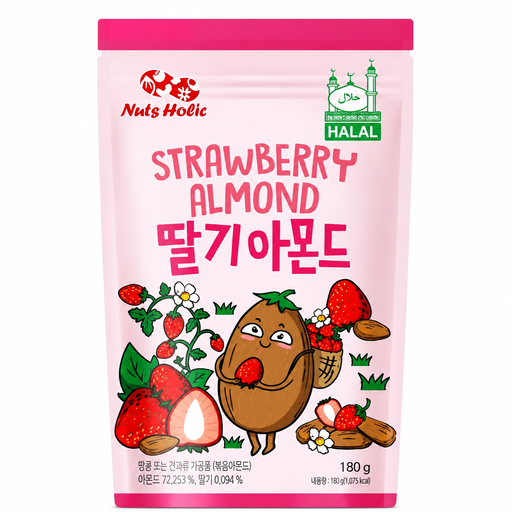 Image unavailable
Nutsholic Strawberry-Flavoured Almonds, 180 g
This flavoured recipe is a good fit for a platter where you’re looking for a sweet flavour, rather than a selection of plain almonds. The pack contains 180 g. Check the ingredients and allergens if you’re serving several guests.
View on Joybuy
 Image unavailable
Bénénuts Dry-Roasted Cashews, 165 g
This seasoned recipe is for anyone who prefers this kind of flavour with their appetisers. Joybuy’s listing shows 18 g of protein and 0.92 g of salt per 100 g, so bear the salt content in mind if your platter already includes salty foods. Check the allergen information before serving too.
View on Joybuy
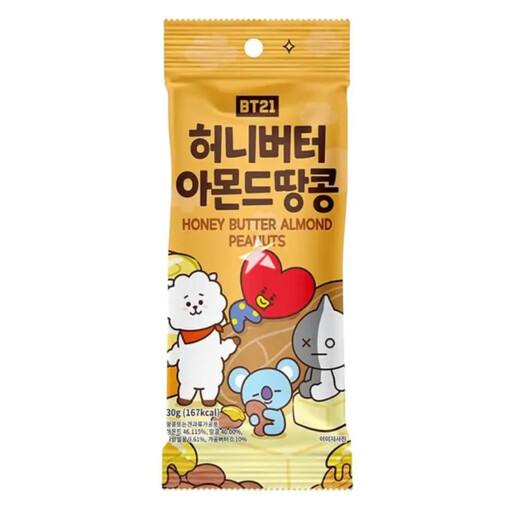 Image unavailable
BT21 Honey Butter Almonds, 30 g
This 30 g packet contains honey butter-flavoured almonds, ideal for serving in a smaller quantity. It’s not a substitute for a plain recipe, so check the ingredients and allergens before adding it to a shared platter.
View on Joybuy
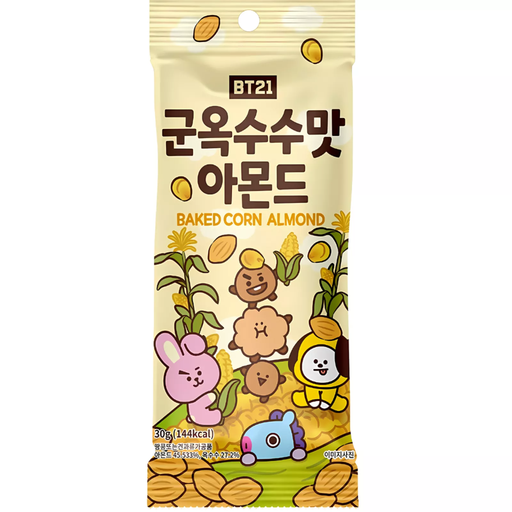 Image unavailable
BT21 Baked Corn-Flavoured Almonds, 30 g
This roasted corn-flavoured almond recipe adds a 30 g packet of flavoured nuts to your selection. If protein is your priority, compare its nutritional information per 100 g with that of the other products you’re considering. Check the ingredients and allergens too.
View on Joybuy
Frequently asked questions
How do you compare the protein content of two packets of nuts?
Check the grams of protein per 100 g on each nutrition declaration. Then compare the fat, sugars and salt on the same basis, and check the ingredients: two recipes made with the same type of nut can still be different.
Do almonds contain more protein than cashews?
Among the products mentioned here, Auchan and Monoprix’s listings show 29 g and 27 g of protein per 100 g for the almonds in question, compared with 18 g for Daco Bello plain cashews. This applies to these specific products, so compare the figures on the packets you’re thinking of buying.
Should you choose unsalted nuts for a Christmas appetiser?
An unsalted recipe could be a good choice if your platter already includes other salty foods. Manger Bouger recommends unsalted, unsweetened nuts with no chocolate; to choose between two products, compare their salt content per 100 g and their ingredients.
What should you check before serving nuts to someone with an allergy?
Check the ingredients and trace warnings on each relevant packet, then keep the packaging accessible while serving. The DGCCRF reminds consumers that allergens must be highlighted on the labels of pre-packed foods; a recipe described as ‘plain’ doesn’t mean you can skip this check.


