Organisers catering for guests with different tastes
If some guests enjoy white chocolate while others prefer dark chocolate, offer both types separately rather than looking for a “dark white chocolate”.


To cater for guests who enjoy white chocolate as well as those who prefer a stronger cocoa flavour, offer white and dark chocolate separately: a cocoa percentage on white chocolate doesn’t make it dark chocolate. Then choose products that are ready to serve or baking chocolate, depending on what you’re preparing, and check the allergens and nutritional information for each product.
If some guests enjoy white chocolate while others prefer dark chocolate, offer both types separately rather than looking for a “dark white chocolate”.
When guests have different dietary needs, check the ingredients, highlighted allergens and ‘may contain’ warnings for every recipe you serve. The product information for Nestlé Dessert, Carrefour and Lindt shows that these details vary from product to product.
If you’re making cookies, creams or decorations in advance, look for white chocolate intended for baking. Carrefour’s product information for Nestlé Dessert Blanc describes it as chocolate for melting, unlike bite-sized treats intended to be served as they are.
For a christening buffet, decide which types of chocolate you want and how you’ll serve them before comparing product labels.
| Criteria | What to check | Who is it for? |
|---|---|---|
| White and dark options | Read the product name and serve white and dark chocolate separately. | If I want to offer a choice between a white chocolate treat and a more intense dark chocolate, a cocoa percentage on a white chocolate bar isn’t enough. Around 36% of consumers put this difference in flavour first. |
| Allergens | Check the highlighted allergens and ‘may contain’ warnings on the packaging for each recipe. | If a guest has an allergy, I need to know exactly what I’m serving them. Around 29% of consumers put checking allergens first. |
| Format and serving | Choose bite-sized treats for serving as they are, or baking chocolate for desserts prepared in advance; check the net weight. | If the desserts are already planned, I can prepare and portion the chocolate ahead of time. Otherwise, I’ll look for a treat that’s ready to put on the buffet. Ease of serving is the main priority for around 21% of consumers. |
| Sugars and labelling | Compare the sugars per 100 g in products intended for the same use, and check the ingredients list too. | When comparing two recipes, I’d rather read their nutritional information than assume anything from the absence of a Nutri-Score. Around 14% of consumers put this comparison first. |
Lindt sells EXCELLENCE Blanc Extra Velouté as white chocolate, while also stating a minimum cocoa content. This alone doesn’t make it suitable for anyone looking for dark chocolate.
Check the product name and choose something explicitly sold as dark chocolate if you want to offer that option.
Nestlé Dessert and Carrefour product information lists milk, among other allergens, and possible traces of other allergens depending on the recipe. Lindt states that none of its products is guaranteed to be completely free from tree nut allergens.
Keep the information from each packet available for guests, and check the exact product before serving it to anyone with an allergy.
According to Santé publique France, displaying a Nutri-Score is voluntary. Its absence doesn’t tell you anything about a product’s nutritional values.
Use the nutritional information to compare sugars and energy per 100 g, in particular, across similar products.
Lindt describes a bag of white Lindor chocolates as a sharing format, while a Nestlé Dessert Blanc bar is intended for melting in recipes. They’re therefore not suited to the same use on the buffet.
Keep the bite-sized chocolates for serving as they are, and allow time to prepare desserts using the bars.
Melting, cutting or portioning chocolate bars takes time before serving.
For serving as they are, or for a white chocolate bar as an alternative to dark chocolate, the range includes Lindor chocolates and bars, according to Lindt France.
Carrefour’s product information presents the Dessert Blanc bar as white chocolate for baking and homemade recipes.
Carrefour Original and Carrefour Bio white chocolate bars let you compare specific recipes using Carrefour’s product information.
These products suit two uses at the buffet: making desserts with white chocolate or serving white chocolate treats, some of which also have a biscuit base. To offer dark chocolate, choose a separate product explicitly labelled as such.
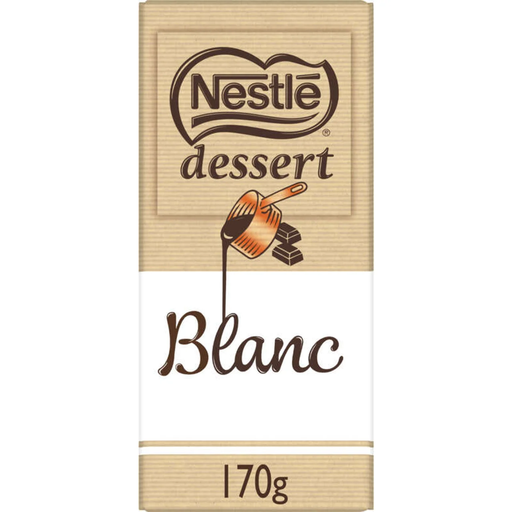 Image unavailable
Choose this if you’re preparing desserts for the buffet in advance, rather than putting out treats that are ready to serve.
170 g bar of white chocolate for baking; allow time to prepare it and portion the desserts. Check the allergens on the packaging of the product you buy.
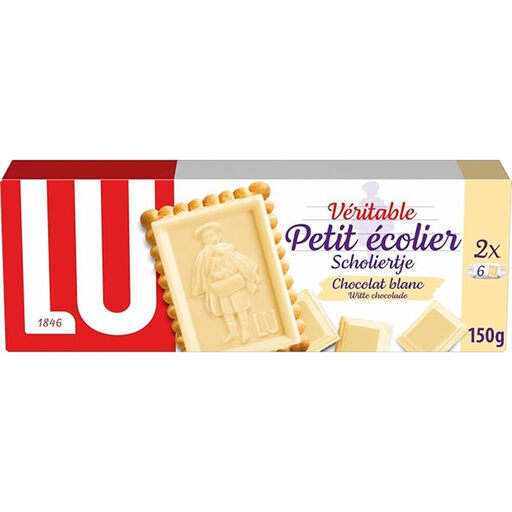 Image unavailable
Serve a biscuit topped with a layer of white chocolate, without having to prepare a dessert that needs melting.
150 g pack: these are biscuits, not a bar of white chocolate. Check the information about wheat, milk and soya on the packaging before serving.
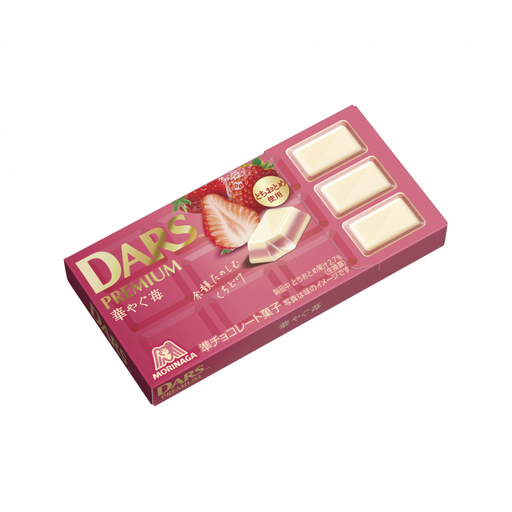 Image unavailable
A white chocolate and strawberry option if you’d like to add variety to the white chocolate treats on your buffet.
46,8 g pack. Check the ingredients, allergens and nutritional information on the packaging before serving.
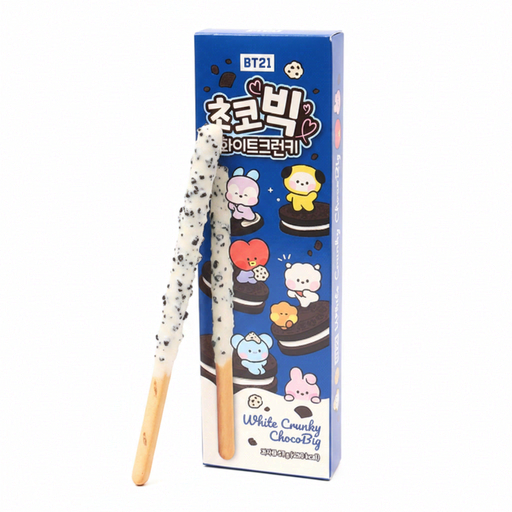 Image unavailable
Offer biscuit sticks coated in white chocolate instead of a bar that needs cutting.
57 g pack; this isn’t plain white chocolate. Check the allergens, sugars and packaging before planning how to serve it.
No. Lindt sells EXCELLENCE Blanc Extra Velouté as white chocolate, while stating “cocoa: 30% minimum”. If you want a dark option for the buffet, choose a product explicitly sold as dark chocolate.
No. According to Santé publique France, Nutri-Score is voluntary. The DGCCRF does, however, state that nutritional declarations are compulsory for most prepacked foods. They let you check, among other things, the sugars per 100 g.
Check the product name, ingredients and allergens for each item separately, including any ‘may contain’ warnings. Keep the packaging or product information accessible so guests with allergies can identify what’s being served.
Compare the sugars per 100 g in the nutritional information for products intended for the same use, then take into account the portions you’ll serve. A chocolate-coated biscuit and a white chocolate bar aren’t the same type of product.