
Livraison le jour même ou le lendemain

Qualité garantie

Débloquez vos offres de bienvenue: Livraison GRATUITE | Jusqu'à -80 % | 30 jours d'essai gratuits à JoyPlus
Téléchargez l'application
A chopping board may seem simple to choose. However, a model that is too small, unstable or difficult to clean can quickly become a real everyday nuisance. Preparing vegetables, carving meat, serving pizza or putting together a sharing board may not require the same type of board.
Before placing your order, three mistakes are particularly common:
A wooden chopping board adds a warm touch and can also be used for serving. Oak and mango wood are dense woods, but they generally require hand washing, immediate drying and, from time to time, the application of a food-safe oil.
A bamboo chopping board is lightweight and practical for both preparation and serving. However, it should not be left to soak. Several of the models featured here are not dishwasher-safe.
A plastic chopping board often prioritises easy care. The Tefal model featured below is described as dishwasher-safe. Nevertheless, check the condition of its surface regularly: deep cuts can make it more difficult to clean.
Stainless steel can also be used for certain models. It wipes clean easily, but its high hardness can make chopping less comfortable and put more strain on knife edges. Make sure that the presence of a surface genuinely suitable for chopping is clearly stated.
For everyday use, a surface of around 30 × 20 cm is sufficient for fruit, vegetables and small preparations. A larger board makes it easier to carve poultry or a roast, or prepare several ingredients one after another, but it also takes up more space in a cupboard or dishwasher.
A pizza board should be chosen according to the usual diameter of the pizzas you serve. The Le Marquier model offers a 30 × 30 cm surface and an integrated 13 cm handle. A large serving board measuring 58 cm is more suited to buffets, cheese and charcuterie.
A round shape works well for serving and presentation. For preparation, a rectangular board is often more practical: it helps you organise food more effectively and make consistent chopping movements.
A non-slip chopping board helps prevent movement on the worktop. A handle makes it easier to carry and can also allow for hanging storage. A chopping board with a juice groove collects juices from meat, fish or very ripe fruit, preventing them from spreading across the worktop.
For good hygiene, use a separate board or clean the surface thoroughly after chopping raw meat, poultry or fish. Wash it in hot water with a suitable detergent, then dry it completely. Never put a wooden or bamboo board in the dishwasher if the manufacturer advises against it.
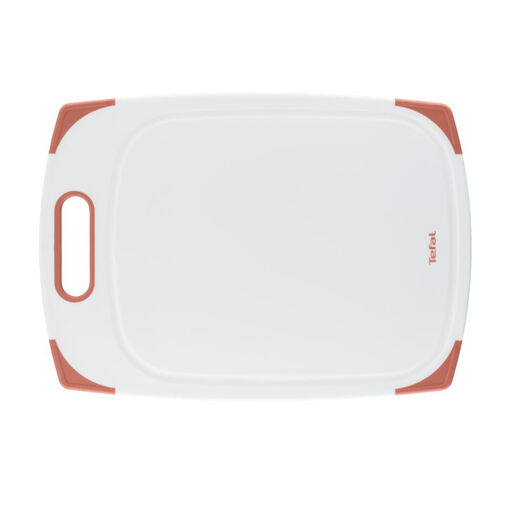
Why this choice suits this type of user : Its plastic construction and dishwasher-safe design make it a versatile first board, suitable for everyday preparation.
The non-slip design limits movement, while the integrated groove collects liquids during chopping.
0.9 cm thickness, integrated handle, juice groove and stated dishwasher compatibility.
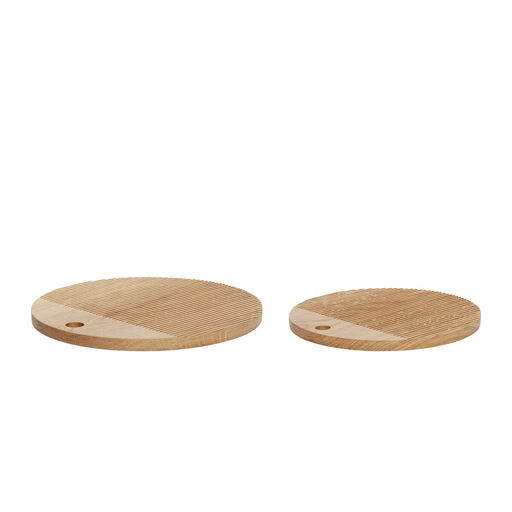
Why this choice suits this type of user : This FSC-certified solid oak set is ideal for anyone looking for a natural wooden accessory that works equally well for preparation and serving.
With two diameters of 33 and 40 cm, this set means the board is not limited to a single use or a specific quantity of food.
Solid oak, FSC certification, 2 cm thickness and a routed surface on one side.
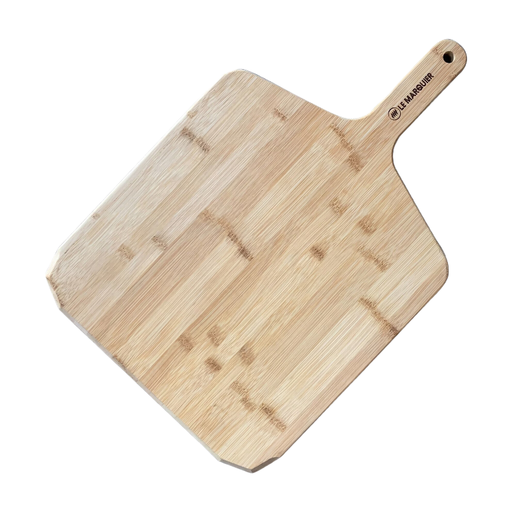
Why this choice suits this type of user : Its 30 cm square surface and handle meet the needs of serving and cutting pizzas, flatbreads and focaccias.
Its size is clearly designed for pizzas up to 30 cm, so you avoid choosing a surface that is too small for the job.
Bamboo, 13 cm carry handle and a surface stated to be suitable for contact with food.
We have put together a complete, real-time updated selection of products that meet these demanding criteria and European safety standards.
A board’s lifespan depends above all on how well it is cared for and how intensively it is used, rather than on marketing promises. For a wooden or bamboo board:
The COOK CONCEPT chopping board set with metal stand makes storage easier, but its four 14 × 22 cm bamboo boards are better suited to small preparations and serving. By contrast, a 58 cm mango wood board is ideal as a large charcuterie board, provided you wash it by hand and never place a hot saucepan on it.
Plastic is the most practical option when dishwasher compatibility and versatility are the priorities. Wood and bamboo provide a warmer presentation, but require regular manual care. Whichever you choose, check the manufacturer’s recommendations and monitor the condition of the surface.
As a general rule, no. Heat and prolonged moisture can cause warping, cracks or delamination. The Monarch and Le Marquier models, as well as the bamboo boards featured here, are stated to be unsuitable for dishwasher use.
Two boards may be enough for everyday use: one for raw food and another for ready-to-eat food or serving. A set with several sizes becomes worthwhile if you regularly prepare a variety of ingredients or often entertain.