If you mainly cook in saucepans or frying pans, start by comparing hobs, checking the connection and, for induction, whether your cookware is compatible. If you prepare large dishes or cook several batches, make sure your oven has enough capacity. A microwave is better suited to small-scale cooking and reheating, while a combination microwave can only replace your oven if its capacity and functions suit the recipes you make. In their study of the appliances tested, ADEME and the French National Consumer Institute found no clear energy advantage for combination ovens over convection ovens.
What will you use it for?
Everyday hob cooking
You often cook meals in saucepans or frying pans. If you’re considering induction, first check that your cookware is compatible and that you have the right dedicated electrical circuit. Bosch says induction requires magnetic cookware, while Promotelec notes that hobs need a dedicated circuit.
Oven dishes and batch cooking
You use large dishes or cook several things at once. The usable capacity, built-in dimensions and energy label information matter more than simply comparing the power ratings shown.
Small kitchens and occasional cooking
You mainly want to reheat, defrost or cook smaller portions without using a full-sized oven. Before relying on a microwave or combination microwave for other types of cooking, check that its capacity and functions suit the dishes you usually make.
Which features should you prioritise?
Start with the types of cooking you do most often, then check the capacity you need and any connection requirements. To assess energy use, compare appliances making similar dishes for the same purpose, rather than looking only at their stated wattage.
| What matters |
What to check |
Consumers concerned |
| Short, frequent cooking |
What the hob or microwave can actually do; energy use for comparable dishes. |
If I mainly make modest portions and cook frequently, I want an appliance that suits these everyday tasks. Around 29% of consumers might make this their top priority. |
| Oven capacity |
Usable capacity, built-in dimensions and energy label information for an oven with suitable capacity. |
For large dishes or several batches, I need enough room in the oven cavity, even if a compact appliance can handle some other types of cooking. Around 29% of consumers would put this capacity first. |
| Replacing a hob |
Cut-out dimensions and connection rating; a dedicated circuit and magnetic cookware if you’re considering induction. |
When replacing my hob, I want to avoid choosing one that is incompatible with my kitchen or pans. Compatibility would be the priority for around 21% of consumers. |
| Space and extra functions |
Usable capacity and dimensions, the functions you need and a suitable location as specified in the instructions. |
In a small kitchen, I want to combine reheating with some cooking functions without choosing a cavity that’s too small for my dishes. Around 21% of consumers would prioritise this combination of functions and compact size. |
Mistakes to avoid
-
Assuming a combination oven always uses less energy
In their comparison of four combination ovens and ten convection ovens, ADEME and the French National Consumer Institute found no clear energy advantage for combination models. Results vary depending on the dishes, models and brands.
Choose a combination microwave for the functions and capacity you need, then compare the energy information that’s relevant to the dishes you prepare.
-
Switching to induction without checking your existing kitchen setup
Bosch explains that induction requires magnetic cookware. Promotelec also says that a hob needs a dedicated circuit, so replacing one involves more than checking the appliance’s visible dimensions.
Before ordering, check your pans, the cut-out dimensions and the connection specifications. Ask a qualified professional to assess any electrical incompatibility.
Depending on your current setup, replacing your hob may also mean buying new cookware or arranging work by a qualified professional.
-
Using the stated wattage to estimate the energy used to cook a meal
An appliance’s connection rating describes an electrical characteristic, not the energy used to cook your recipe. For ovens, the energy label provides information to consider alongside capacity and intended use.
Compare energy information for ovens that suit the same needs. For a hob or microwave, check the technical specifications against the type and duration of your cooking.
-
Replacing a large oven with a cavity that’s too small
A combination microwave may offer several cooking modes, but it might not fit the same dishes or cook as many batches as a large oven. The Panasonic and Electrolux models mentioned here illustrate the difference between a 27 L and a 72 L capacity; they are not representative of every appliance in their respective categories.
Measure your dishes and check the usable internal dimensions before deciding which types of cooking your new appliance can realistically handle.
Brands to consider
Bosch
Its induction and ceramic hob ranges let you compare two options for replacing your hob.
- Bosch describes induction as responsive and its ceramic hobs as compatible with different types of pans. These statements relate to the brand’s ranges and do not guarantee energy savings.
- Induction requires magnetic cookware, so check which pans you want to keep.
Whirlpool
The AKT8090LX ceramic hob is an example of the specifications to check against your existing kitchen setup.
- Whirlpool lists this model as 60 cm wide, with four cooking zones and a connection rating of 4 700 W.
- These specifications don’t apply to every Whirlpool hob. Check the cut-out and connection requirements for the model you choose.
Electrolux
The EOF4P46H built-in oven illustrates what to consider when cooking capacity matters.
- Electrolux lists this model as having a 72 L cavity and an A+ energy rating.
- Capacity and energy rating alone don’t tell you how much energy it will use for your recipes. Check the built-in dimensions too.
Panasonic
The NN-CT57RM combination microwave offers functions to consider for reheating and some types of cooking, with a 27 L cavity.
- Panasonic lists microwave, convection and grill modes for this model.
- Check that the cavity can accommodate your dishes. The ADEME and French National Consumer Institute study found no clear energy advantage for the combination microwaves tested over convection ovens.
Microwaves and combination microwaves available on Joybuy
These appliances suit the occasional-use and combination-cooking needs discussed here. Before choosing one to replace an oven or complement a hob, check that its capacity, functions and electrical specifications match the meals you prepare.
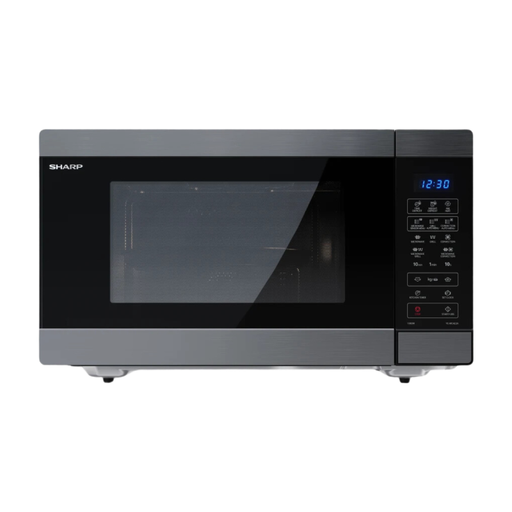 Image unavailable
SHARP YC-MC422AE-SB, 3-in-1 combination microwave, 42 L
Worth considering if you need a 42 L cavity for dishes that are difficult to fit in your current compact appliance.
The product name describes it as a 3-in-1 combination appliance. Check its dimensions, accessories and the energy use of the modes you plan to use.
View on Joybuy
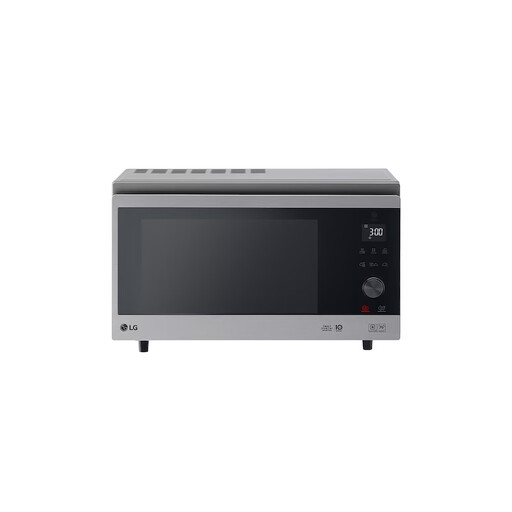 Image unavailable
LG MJ3965ACS, combination microwave, 39 L
Worth a look if you’re after a combination appliance with a 39 L cavity that suits the size of your usual dishes.
Measure the space where you plan to put it and compare energy use for the types of cooking you have in mind before considering it as an oven replacement.
View on Joybuy
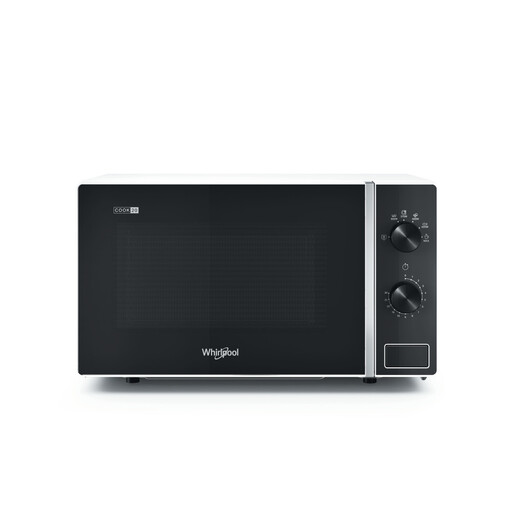 Image unavailable
Whirlpool MWP 101 W, 20 L microwave, 700 W
If you want to reheat or cook portions in a 20 L cavity, first check that your dishes will fit.
The product name gives the power as 700 W, but this alone doesn’t tell you how much energy it will use to prepare a dish.
View on Joybuy
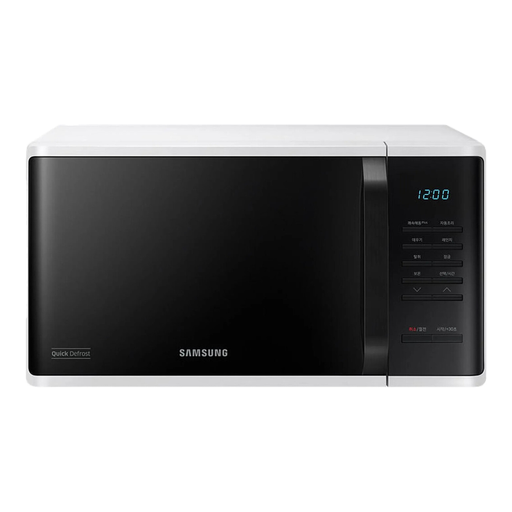 Image unavailable
Samsung MS23K3513, 23 L solo microwave with Quick Defrost
Worth considering if reheating and defrosting portions that fit in a 23 L cavity are your main requirements.
The product name also lists 1 150 W and an LED display. Check that the dish dimensions and energy information suit your needs.
View on Joybuy
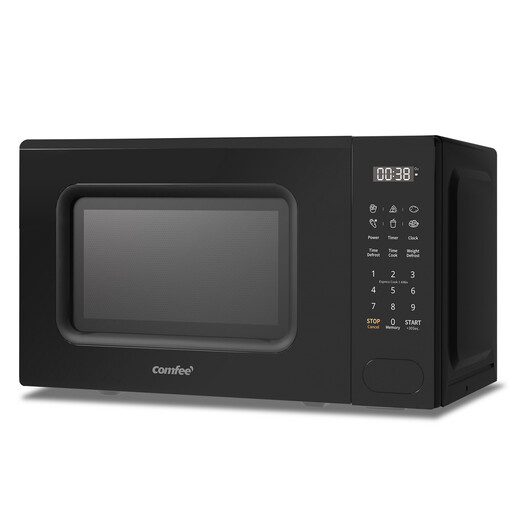 Image unavailable
COMFEE CM-E202CC(BK), 20 L digital microwave, 700 W
For reheating and defrosting portions that fit in a 20 L cavity, check that the appliance will fit in your kitchen.
The product name lists 11 power levels and a defrost function. Before buying, check that the model’s supply voltage is suitable for your installation.
View on Joybuy
Frequently asked questions
Can I replace a hob without checking the connection?
No. Before buying, check that the hob is compatible with your existing dedicated circuit. Promotelec says that a cooker or hob must be connected to a dedicated circuit. If you’re unsure about your installation, ask a qualified professional for advice rather than making changes yourself.
Does the energy label compare an oven, hob and microwave in the same way?
No. The European Commission says energy labelling is compulsory for ovens and cooker hoods, but not for hobs. When choosing between these appliances, also consider their functions, dimensions and the energy information relevant to the cooking you plan to do.
Do I need to replace my pans to switch to induction?
Only the ones that aren’t suitable for induction. Bosch says this technology requires magnetic cookware, so check each of your saucepans and frying pans before choosing a new hob.
Can a combination microwave replace my oven?
It can handle some types of cooking if its modes and internal dimensions suit the dishes you actually make. If you cook large batches or use several shelves, check the capacity before giving up your oven. The ADEME and French National Consumer Institute study found no clear energy advantage for the combination microwaves tested over convection ovens.


