
Livraison le jour même ou le lendemain

Qualité garantie

Débloquez vos offres de bienvenue: Livraison GRATUITE | Jusqu'à -80 % | 30 jours d'essai gratuits à JoyPlus
Téléchargez l'application
By Joybuy, our product expert – August 26, 2026
A picture frame that falls, the handle of your favourite mug that breaks, a shattered plastic toy… When faced with a repair, the common reflex is to reach for the first "super glue" you can find. However, this quest for a universal adhesive often leads to disappointment. A repair that doesn't hold, an ugly white residue, or a tube of glue that's useless after a single use are frustrations we all know.
The market is full of promises, but not all glues are created equal. Before making your choice, it's essential to know the few pitfalls that will waste your time and money.
super glue might seem to fix an object in seconds. However, this initial bond is just an illusion of strength. The full mechanical resistance, which allows the object to withstand stress, is often only achieved after 24 hours. Putting stress on the object too early is the number one cause of failure.Keeping these challenges in mind is the first step toward a successful and durable bond.
To navigate the options effectively, focus on three technical parameters. They determine the performance and suitability of a glue for your project.
A glue's chemistry defines its fundamental properties. Here are the most common families:
Super Glue): These are single-component glues that cure very quickly upon contact with air moisture. They are ideal for fast, precise bonding on small, non-porous surfaces (ceramic, metal, rubber, some plastics). Their strength lies in their rapid setting time.Epoxy glue is essential for structural repairs, filling gaps, or bonding demanding materials like metal or stone.drill-free mounting capability on a wide variety of substrates, including outdoors. A sealant adhesive remains flexible after drying, allowing it to absorb vibrations and expansions.The success of a bond depends on the glue's adhesion to the substrate. While wood, ceramic, or paper are generally easy materials to glue, others are far more complex.
Glue for plastic represents the most common challenge. Plastics like polyethylene (PE), found in bottles or films, and polypropylene (PP), used for storage boxes or car bumpers, are very difficult to bond with standard adhesives. For these cases, it is essential to use a specific glue for difficult plastics, often accompanied by an adhesion primer.
Finally, the environment in which the object will be used is a decisive factor.
water-resistant glue is essential. Some glues are even dishwasher-safe.transparent glue is crucial for a discreet and aesthetic result.Rather than searching for a one-size-fits-all solution, it's wiser to choose a glue tailored to a specific need. Here are some recommended options for distinct user profiles.
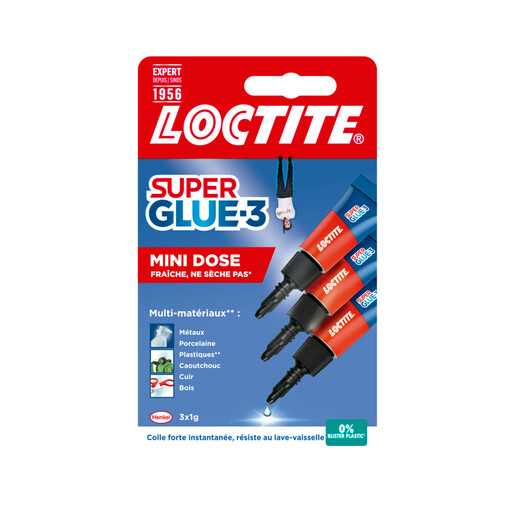
Why it's a perfect match: Ideal for small, everyday repairs. The single-use format ensures the glue is always fresh and effective, with no waste or dried-out tubes.
This product doesn't overpromise. It excels where super glues are expected to: quick bonds on common materials (porcelain, wood, leather). The single-use format ends the nightmare of a dried-out tube after one use.
Sets in seconds for an immediate fix. Transparent, water-resistant, and temperature-resistant formula, perfect for everyday objects.
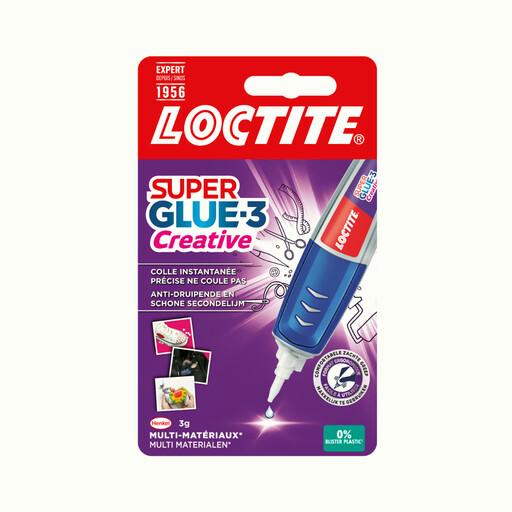
Why it's a perfect match: Essential for model making, jewellery creation, or scrapbooking. Its pen format offers drop-by-drop application with surgical precision, and its gel formula puts a stop to runs.
This product directly tackles the problem of an unsuitable format. Its gel texture doesn't run, a deal-breaking flaw of liquid glues on 3D objects or angled surfaces. The control is absolute, just like with a precision pen.
Clean, pinpoint application thanks to the pressure-sensitive dispenser. No-drip gel formula, ideal for vertical surfaces. Dries transparent.
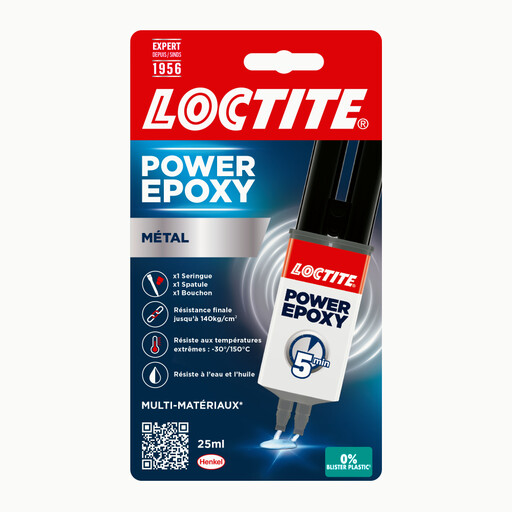
Why it's a perfect match: Engineered for structural bonding and repairs on metal (steel, aluminum, copper...). Its two-part epoxy formula guarantees resistance to heavy loads, perfect for mechanical parts or metal fixtures.
This specialized glue shatters the all-in-one myth. It acknowledges that a high-stress bond on metal requires advanced technology (epoxy) that a classic super glue cannot provide. Its resistance is both mechanical and chemical.
Very high resistance to heavy loads and impacts. Can be drilled, sanded, and painted after curing. Sets quickly in 5 minutes for easier assembly.
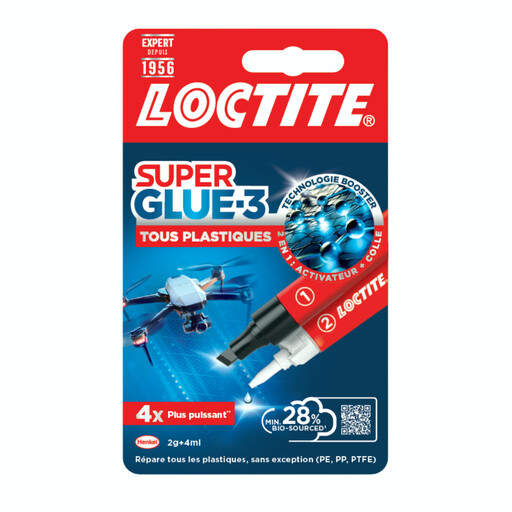
Why it's a perfect match: THE solution for repairing plastics known to be "unbondable" like polyethylene (PE) and polypropylene (PP). A must-have for kids' toys, car accessories, or garden equipment.
This product is the antithesis of a do-it-all glue. It provides a two-step technical solution (primer + glue) to a well-known problem where standard adhesives consistently fail. It doesn't promise simplicity, but effectiveness.
2-step system with an activator pen that prepares the surface for maximum adhesion. Effective on all types of plastics, including the most stubborn ones (PE and PP).
Browse our complete selection of glues tested and approved by our experts, all compliant with current standards.
A liquid glue is very fluid and easily penetrates fine cracks and tight joints. It is perfect for repairs where the two parts fit together perfectly. A gel glue has a thicker consistency. It doesn't run, which makes it ideal for applications on vertical or porous surfaces. It also has some gap-filling ability for small voids.
You must distinguish between the initial set and the final strength. The initial set, often a few seconds to a few minutes, is the time needed for the pieces to hold together without assistance. The final strength, which corresponds to the maximum strength of the bond, is generally reached after 24 hours for most cyanoacrylate and epoxy glues. It is therefore crucial to read the instructions and be patient before handling the repaired object.
Yes, in many situations, a sealant adhesive is an excellent alternative to drilling. Products like the Pattex No More Nails range allow you to securely mount skirting boards, battens, mirrors, or lightweight shelves. Success depends on two factors: the weight of the object and the nature of the substrate. It is crucial that one of the two surfaces is porous (plaster, wood, brick) to allow moisture to evaporate and the glue to cure properly. Always check the maximum load capacity indicated by the manufacturer on the packaging.