
Livraison le jour même ou le lendemain

Qualité garantie

Débloquez vos offres de bienvenue: Livraison GRATUITE | Jusqu'à -80 % | 30 jours d'essai gratuits à JoyPlus
Téléchargez l'application
Choosing speciality and craft beers isn’t just about spotting a pretty label or the highest alcohol content. Between abbey beer, Belgian beer, French beer, Guinness stout, fruit beer and organic beer, the taste, size and ingredients can completely change the experience.
To avoid any unpleasant surprises, focus on three things: the actual style on offer, the alcohol content, and the volume of the bottle or pack. Here’s a simple way to compare the different options and find a beer that works for an aperitif, a meal or a quiet tasting session.
Terms like “triple”, “réserve” or “artisanale” don’t always tell you what the flavour profile will be. A triple beer can be pale, cloudy, spicy or heavily hopped. Similarly, an abbey beer can come in a white, amber or quadruple version.
So take the time to check:
A 75 cl beer bottle is perfect for sharing over a meal, but it’s a fair amount for a solo tasting. On the other hand, a 33 cl beer lets you try a recipe or an origin without ending up with too much left over.
A beer pack can be handy when you’re entertaining, but always compare the total volume rather than just the number of bottles. A pack of 6 × 25 cl contains 1.5 litres, which is a lot less than a pack of 6 × 33 cl.
A strong beer isn’t necessarily more flavourful or better suited to your taste. A beer at 4.5% can be fresh and light, while a beer at 8% or 9% will generally be more powerful on the palate and should be sipped more slowly.
The alcohol content should be considered alongside the type of meal, the serving temperature and the amount you plan to drink.
Here are a few pointers to help you navigate the main beer families:
The origin also gives some clues, without guaranteeing a precise profile. A Belgian beer can be fruity or malty, a French beer may draw on traditional garde styles or triple recipes, while an imported beer lets you explore other styles and brewing expertise.
To compare two products, look at both the “% vol.” and the net volume. A 75 cl bottle at 7.5% obviously doesn’t represent the same amount of alcohol as a 33 cl bottle with the same percentage.
The beers in this selection range from 4.5% to 9% vol. The stronger ones can accompany a hearty dish or be served in smaller quantities. Alcohol consumption should remain moderate. Alcoholic drinks are for adults only and are not recommended during pregnancy. Do not drive after consuming alcohol.
Products containing barley malt, wheat or other cereals must indicate the presence of gluten. Always check the label and allergen information before buying.
To preserve the flavours, store the bottles in a cool, dry place away from light. Serving temperature depends on the style: white and pale beers are often best served well chilled, while an amber, triple or stout will reveal more nuances at a slightly higher temperature.
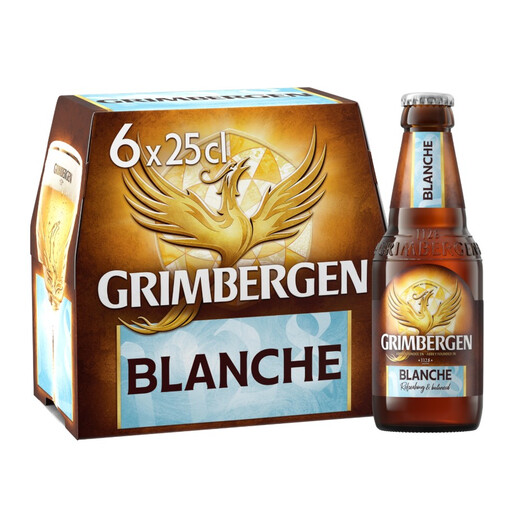
Why this choice suits this profile: Its 6 × 25 cl format lets you share several bottles and discover a white abbey beer without having to open a large bottle.
The style, volume and alcohol content are clearly stated. So you won’t risk mistaking a refreshing white beer for a very strong one.
6.0% vol., slightly golden and cloudy appearance, spicy and fruity notes. The product page mentions the presence of barley and wheat.
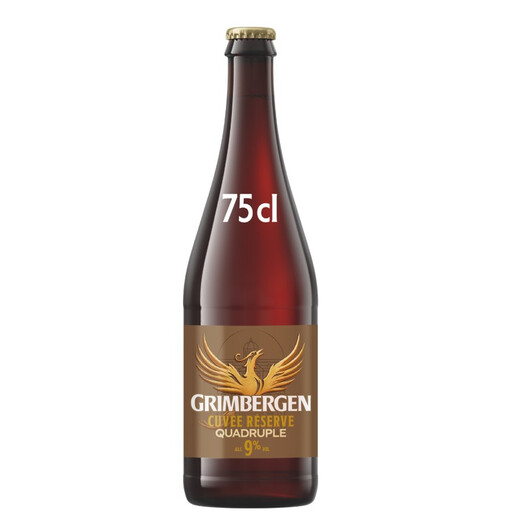
Why this choice suits this profile: This 75 cl bottle is designed for a meal to share or a long tasting session, with a particularly rich aromatic profile.
Its high strength of 9.0% vol. is clearly displayed: you can adjust your portions and avoid drinking it like an everyday light beer.
Stated notes of ripe fruit, spices, pineapple, liquorice and clove. 75 cl format with a recommended serving temperature between 6 and 8 °C.
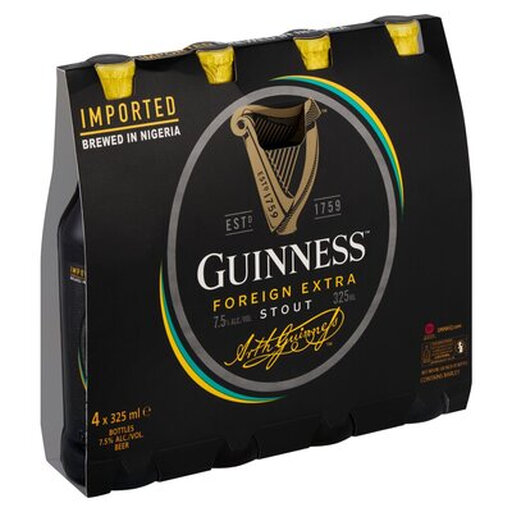
Why this choice suits this profile: This pack of four 325 ml bottles is ideal for stout lovers who want a consistent size for an evening or a meal with bold flavours.
The size and strength of 7.5% vol. are shown before purchase. This makes it easier to plan a reasonable portion than choosing a large bottle with no real reference point.
A rich, roasted profile with stated notes of dark chocolate, caramel and dried fruit. Contains barley and gluten.
A few pairings to help you decide:
Serve the beer in an appropriate glass and pour it gently to preserve the head. Once opened, it should generally be consumed quickly to keep its flavours and fizz.
We’ve put together a comprehensive list, updated in real time, of products that meet these strict selection criteria as well as European safety regulations.
A speciality beer is generally distinguished by its style, ingredients, alcohol content or presentation. The term “craft” refers more to the identity of the brewery and its production process. To know the exact origin, ingredients and size, check the product page and the label.
The 33 cl format is suitable for individual consumption or for trying several recipes. The 75 cl format is better for sharing over a meal. For a social occasion, a pack of several small bottles also makes it easier to divide up portions.
Start by assessing the intensity of the dish. A pale or white beer will accompany delicate foods, while an amber beer will go with richer dishes. A triple, a strong beer or a stout can be paired with grilled meats, aged cheeses or chocolate desserts. Always check the alcohol content and drink responsibly.