
Livraison le jour même ou le lendemain

Qualité garantie

Débloquez vos offres de bienvenue: Livraison GRATUITE | Jusqu'à -80 % | 30 jours d'essai gratuits à JoyPlus
Téléchargez l'application
Navigating the soy sauce aisle can sometimes be overwhelming. Light, dark, salty, sweet, Japanese, Chinese… with such a wide variety, it's easy to make a mistake and end up with a product that doesn't work with your recipe at all. Overly salty dishes, colourless marinades, flavours that lack authenticity... disappointments are common.
As the Head of Product Recommendations at Joybuy, my mission is to help you make sense of it all. No marketing jargon here—let's get straight to the point. Here are the two most common pitfalls to avoid and the essential criteria for making the right choice.
Pitfall #1: Confusing light and dark soy sauce. The most common mistake: thinking these two sauces are interchangeable. Using a light soy sauce to add colour to a braised dish? The guaranteed result: a dish that's far too salty, but no darker. Conversely, using a dark soy sauce in a vinaigrette will make it syrupy and completely unbalanced.
Pitfall #2: Choosing a non-brewed soy sauce. Some low-cost sauces are chemically produced in just a few days (through acid hydrolysis) instead of undergoing a natural fermentation process that takes several months. The result? A simple, salty liquid, often packed with additives (colourings, flavour enhancers), that has nothing in common with the aromatic complexity (the famous umami) of a true soy sauce.
To ensure you make the right choice every time, keep these three criteria in mind.
The secret to a good soy sauce lies in its production process. A natural brewing process is the primary hallmark of quality. It is made from four simple ingredients: soybeans, wheat, water, and salt. This mixture ferments slowly for months, allowing it to naturally develop that rich, complex flavour known as umami.
Look for the words "naturally brewed" on the label. It's the best way to distinguish an authentic product from a chemical substitute.
Understanding the role of each sauce is the key to mastering seasoning in Asian cuisine.
A short ingredient list is often a good sign. The best ones contain only the essentials: water, soybeans, wheat, and salt. Avoid long lists that mention flavour enhancers (E621 or monosodium glutamate), colourings (E150c or ammonia caramel), and a host of preservatives. While these additives may not be harmful, their presence often indicates an accelerated industrial production process designed to mask a lack of natural flavour.
To help you choose, here are our recommendations, each tailored to a specific need and meeting the criteria we've just discussed.
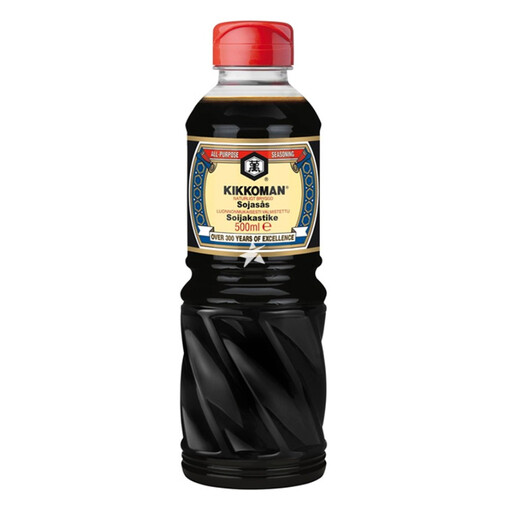
Why we recommend it: It's THE gold standard for Japanese shoyu—versatile and perfectly balanced. Ideal for beginners or for those who want a single, all-purpose bottle for dipping sauces, stir-fries, or as a marinade base.
100% naturally brewed according to a traditional recipe, with just four ingredients. The result: an authentic umami flavour, with no unnecessary additives.
Its versatility. It's the Swiss Army knife of soy sauces, with a flavour refined enough to never overpower other ingredients.
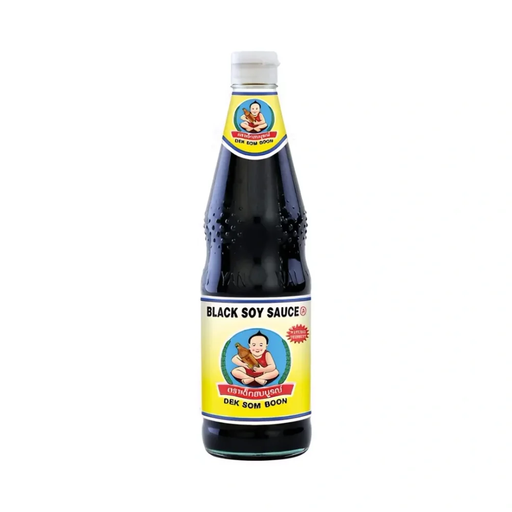
Why we recommend it: This Thai dark soy sauce is specially designed for adding colour to dishes. Its syrupy texture and intense colour are perfect for braised meats, caramel pork, or for giving a beautiful hue to fried rice.
With a bottle dedicated to colouring, you eliminate the risk of using a light soy sauce and ending up with a dish that's too salty and lacks colour. It's the right product for the right job.
Its composition. With 70% molasses, it guarantees a rich colour and a deep flavour with that sweet touch so characteristic of Thai cuisine.
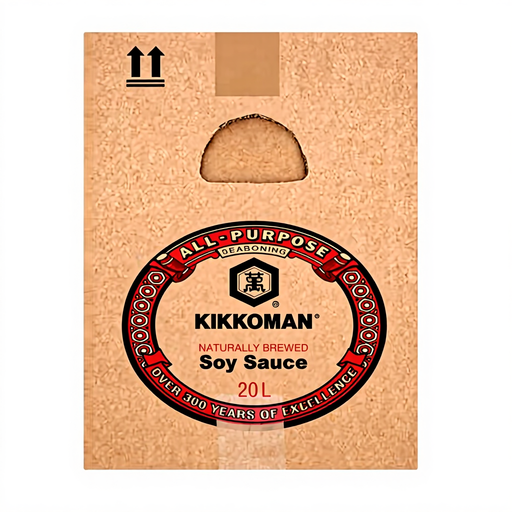
Why we recommend it: For restaurateurs or families who cook Asian food weekly, this 20-litre format offers unbeatable value for money, with no compromise on Kikkoman's quality.
Buying a benchmark product in bulk ensures consistency in your recipes. No more hassle with small bottles or the risk of having to settle for a lower-quality product in a pinch.
The cost-effective format. It's the exact same sauce as in the small bottles, but at a much more attractive price per litre for heavy use.
We have selected a full range of sauces that meet our quality criteria and current regulations.
Light soy sauce is thinner, saltier, and amber in colour. It is used for seasoning without adding much colour (stir-fries, dipping sauces). Dark soy sauce is thicker, less salty but richer in flavour, and has a very dark colour. It is primarily used to add colour to braised dishes and marinades.
Before opening, store the bottle in a cupboard, away from heat and light. Once opened, place it in the refrigerator. The cold will better preserve its flavours and slow down oxidation, although its high salt content already ensures a very long shelf life.
Thanks to its high salt content, soy sauce doesn't really expire (there's no health risk). However, its taste and colour can degrade over time, especially after the bottle has been opened. For optimal flavour, it is best to adhere to the best-before date indicated on the packaging.