
Livraison le jour même ou le lendemain

Qualité garantie

Débloquez vos offres de bienvenue: Livraison GRATUITE | Jusqu'à -80 % | 30 jours d'essai gratuits à JoyPlus
Téléchargez l'application
Changing a nappy, freshening up your hands after a day out, cleaning a surface or washing a dependent person: wet wipes cover a wide range of very different needs. A convenient pack or a reassuring promise isn’t enough to make the right choice.
Here are the most common pitfalls, the key criteria to check, and a selection of products suited to the needs of British families.
A wipe designed for hands or face doesn’t have the same formula as a disinfectant wipe for surfaces. Products containing biocidal active ingredients, such as benzalkonium chloride or didecyldimethylammonium chloride, are generally intended for surfaces only, as stated on their label.
Do not use them on skin, food, or objects that could come into direct contact with a baby’s mouth, unless the manufacturer explicitly allows it. Conversely, a baby wipe won’t properly disinfect a table or a door handle.
A biodegradable wipe can help reduce the use of synthetic fibres, but that doesn’t mean it can be flushed down the toilet. Most wipes should go in the bin: otherwise, they risk building up in your pipes and causing blockages.
Even when a pack says “flushable”, check the usage instructions. Some brands recommend flushing only one or two wipes at a time and advise against using them with a macerator toilet.
Claims like “sensitive skin”, “fragrance-free” or “99% water” can guide your choice, but they don’t replace reading the ingredients list. A formula may still contain fragrance, preservatives or cleansing agents that some skin types don’t tolerate well.
The pack closure matters a great deal too. A poorly sealed flap lets wipes dry out, increases waste, and makes them far less pleasant to use.
For a baby or someone with reactive skin, it’s best to choose a short, clearly detailed formula. Fragrance-free wipes, without alcohol or colourants, are often chosen to minimise unnecessary ingredients. However, tolerance varies from person to person: if irritation occurs, stop using them immediately and seek advice from a healthcare professional.
99% water wipes are designed for gentle skin cleansing. They can be used on the face, hands or nappy area, but they don’t replace a disinfectant product.
Check whether the wipe is:
Reusable wipes for surfaces work differently: they are rinsed and reused, whereas pre-moistened wipes are designed to be thrown away after use. For incontinence or bed bathing, a larger format lets you cover a bigger area with fewer wipes.
A baby cleansing wipe, a face and body wipe, an adult wipe or a disinfectant wipe must be used according to its label. For surfaces that come into contact with food, toys or areas a baby might touch, some products require a contact time followed by rinsing.
When in doubt, never flush wipes down the toilet unless the manufacturer gives clear, specific instructions. Reseal the pack after each use and check the expiry date on the packaging.
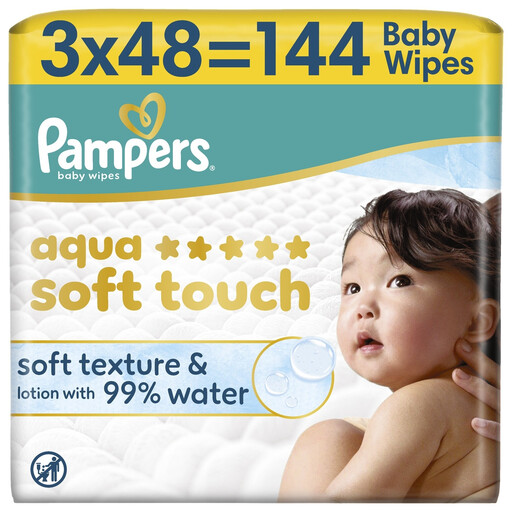
Why this choice suits this profile: With 144 wipes, this pack is ideal for everyday nappy changes and lets you keep several packs at home or in your changing bag.
The product page states a 99% water formula, with no alcohol or fragrance. A choice that avoids automatically picking a scented formula.
A soft texture, a formula described as pH-balanced, and suitability from birth.
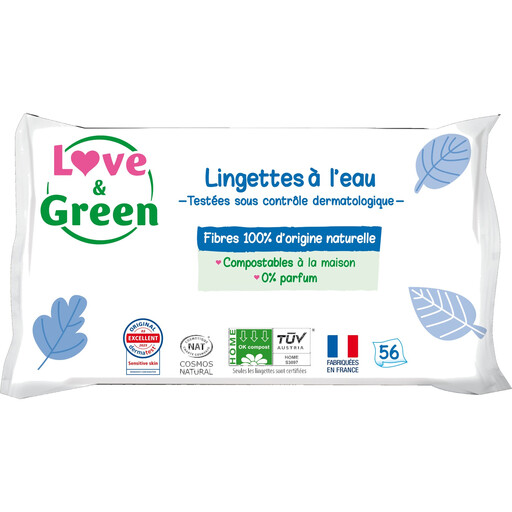
Why this choice suits this profile: This product targets buyers who pay close attention to the material, certifications and composition of baby wipes.
The mention of natural-origin fibres is backed up by concrete references: the product page states COSMOS NATURAL certification by ECOCERT and FSC-certified fibres.
Fibres described as plastic-free, a fragrance-free formula and packaging described as recyclable.
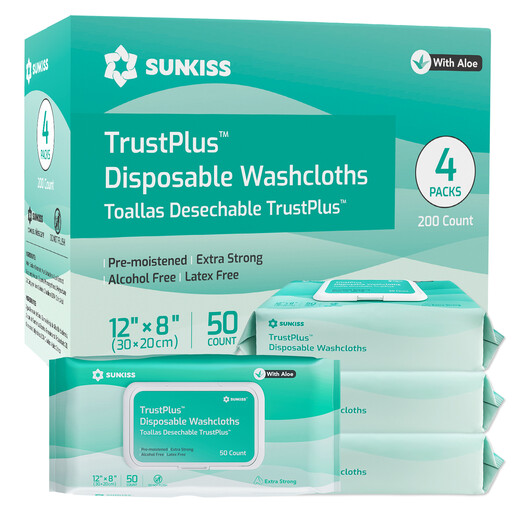
Why this choice suits this profile: Its large format is ideal for carers, bed bathing and incontinence situations that require covering a wider area.
With stated dimensions of 20 × 30 cm and a weight of 65 g/m², it focuses on durability rather than just freshening hands.
An extra-large format, a resealable lid, a fragrance-free and alcohol-free formula, plus aloe vera and vitamin E listed in the ingredients.
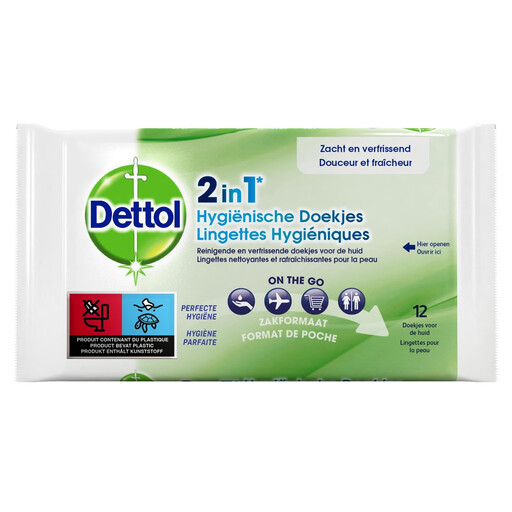
Why this choice suits this profile: This small pack of 12 wipes slips easily into a bag for journeys, family outings or public places.
The product page presents it as suitable for both hands and surfaces, unlike disinfectants reserved for household cleaning.
A pocket-sized format, suitability for hands and surfaces, and dermatologically tested as stated on the product page.
We’ve put together a full selection, updated in real time, of products that meet these demanding criteria and European safety regulations.
To keep your wet wipes in good condition for longer:
Larger packs often reduce the cost per wipe, while smaller packs are easier to carry. Before comparing prices, check the number of wipes, their size and their actual intended use.
Not automatically. Some products are formulated for both hands and surfaces, while others are intended for surfaces only. Check the intended use on the packaging and never use a household wipe on the face, body or nappy area of a baby.
The shelf life varies depending on the product and manufacturer. Always reseal the pack after use and check the expiry date. A wipe that has become dry, discoloured or looks unusual should be thrown away.
No, unless the packaging explicitly allows it. Even then, follow the maximum number per flush and any restrictions related to your plumbing. To avoid blockages, the bin remains the safest option.