
Livraison le jour même ou le lendemain

Qualité garantie

Débloquez vos offres de bienvenue: Livraison GRATUITE | Jusqu'à -80 % | 30 jours d'essai gratuits à JoyPlus
Téléchargez l'application
Choosing a doorbell and chime might seem trivial, yet the market is saturated with short-lived promises. Between disappointing wireless range and video doorbells that drop connection at the slightest Wi-Fi hiccup, it's all too easy to make the wrong purchase. The goal, however, is simple: to be reliably alerted when a visitor arrives, whether you're at the back of the garden, in the living room, or working from home.
Before you pull out your credit card, beware of these two common pitfalls that can turn your purchase into a useless gadget:
To avoid disappointment, it's better to stick to the technical specs rather than the marketing hype. Here are the essential points to analyse to make an informed decision.
The communication method between the outdoor button and the indoor receiver is the most critical factor.
How you are alerted is just as important, especially in specific environments.
Rather than an endless catalogue, here are a few targeted solutions that meet specific needs, always keeping reliability and ease of use in mind.
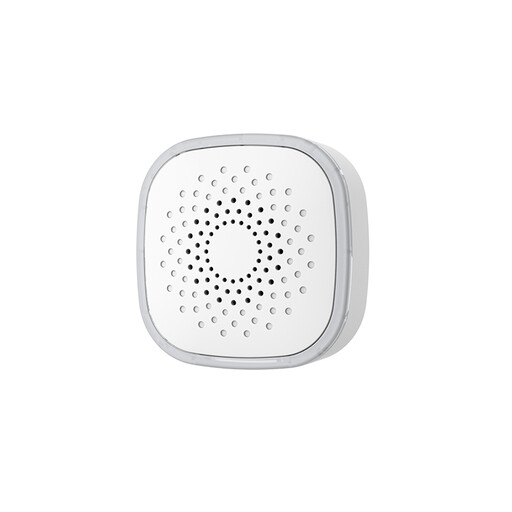
Why we chose it: Ideal for those who want a "plug-and-play" solution that's ready to use out of the box. The receiver plugs into any USB port (phone charger, power strip, TV), eliminating the hassle of batteries. Perfect for renters or for a hassle-free, express installation.
This model relies on the reliable 433 MHz radio frequency, making it immune to Wi-Fi whims. Installation is incredibly simple: no batteries to manage for the chime, just a USB port is all you need.
Its universal USB power and visual alert via a multicolour LED flash, in addition to 60 melodies and 5 volume levels.
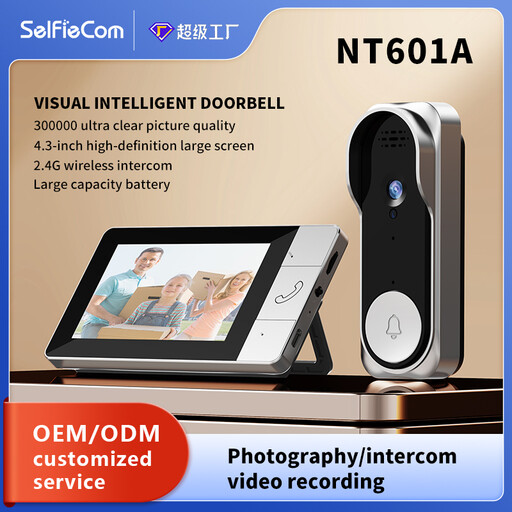
Why we chose it: For those who want to see who's at the door without relying on a mobile app or an internet connection. This all-in-one kit includes an outdoor unit with a camera and a 4.3-inch indoor monitor that communicate via a direct link.
It completely bypasses Wi-Fi, and therefore all its associated problems. The system is 100% standalone and operational right out of the box, ensuring a reliable and private video link with no network configuration required.
Zero Wi-Fi, zero apps, zero subscriptions. It records photos and videos to a microSD card (not included) for later viewing.
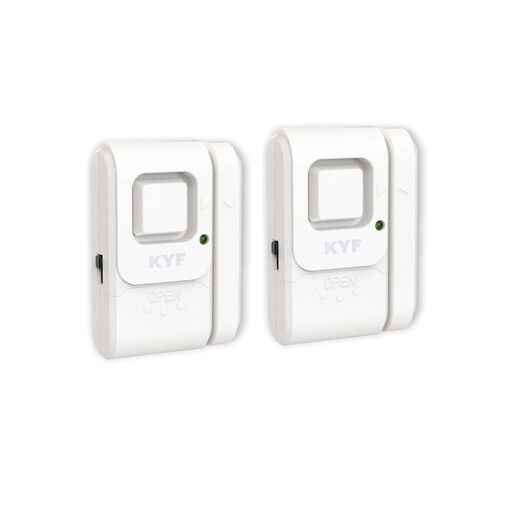
Why we chose it: For those looking for a simple, cost-effective, and deterrent security solution. It's not a doorbell, strictly speaking, but an opening sensor that works equally well as an alarm or an entry chime (for a shop or patio door).
This product is the antidote to complexity. Completely standalone (batteries included), it requires no wiring, no Wi-Fi, and no configuration whatsoever. Installation takes seconds thanks to the included adhesive.
Its dual function: a piercing 105 dB siren to deter intruders, or a simple "Ding Dong" chime to signal an entry. Ultra-versatile for securing doors, windows, and even cupboards.
Explore our full selection of products that meet our criteria for reliability and current safety standards.
The range advertised by manufacturers (e.g., 300 metres) is a theoretical value, measured in "open field" conditions, meaning without any obstacles. In reality, every wall, door, or piece of furniture eats away at this distance. A reinforced concrete wall or a security door can reduce the range by 50% to 80%. Our advice: choose a model with an advertised range much greater than the distance you actually need to cover. This is your safety margin.
It all depends on the model. Some, like the Wi-Fi-free video doorbell Verbex NT601A we feature, are 100% standalone. They store footage on a local memory card (microSD) and therefore involve no monthly fees. Conversely, many connected models from major brands offer basic features for free but require a paid subscription to store videos in the cloud for more than a few hours or to unlock advanced detection features. Always read the fine print on this point before you buy.
Many wireless doorbell models are designed for a drill-free installation. The outdoor button often comes with a strong double-sided adhesive, which is very effective on smooth surfaces like PVC, painted wood, or metal. For rougher surfaces (stucco, brick) or for heavy-duty outdoor mounting, you can opt for weather-resistant adhesive hooks. It's the perfect solution for renters who can't (or don't want to) drill into the facade.