
Livraison le jour même ou le lendemain

Qualité garantie

Débloquez vos offres de bienvenue: Livraison GRATUITE | Jusqu'à -80 % | 30 jours d'essai gratuits à JoyPlus
Téléchargez l'application
Choosing a dog food isn’t about comparing prices per kilo or trusting the promises printed on the packaging. Your dog’s age, size, activity level, digestive sensitivity and any reactions to certain ingredients should guide your decision.
Between dry dog food (kibble), wet food, veterinary diets and natural dog treats, marketing can sometimes muddy the waters. Here are the criteria to examine when looking for a complete, balanced food that suits your pet’s profile and fits your budget.
A label that says “beef” or “fish” doesn’t guarantee the food contains a large amount of that meat. Check the full ingredients list and look at the stated percentages. A recipe might, for example, show 4% beef while being mostly made up of cereals, animal by-products or fats.
Grain-free foods don’t automatically address a food sensitivity. They often replace grains with peas, potato or other sources of starch. Tolerance varies from one dog to another. A gradual transition, along with monitoring your dog’s stools, appetite and overall condition, is still essential.
Dog treats are handy for training, but they add calories to your dog’s daily intake. Soft chews and dried meat pieces can also be swallowed too quickly by some dogs. Choose an appropriate size, supervise your dog and slightly reduce their main meal if rewards are frequent.
For daily meals, look for the term “complete food”, suitable for your dog’s life stage. An adult dog food doesn’t meet the same needs as a product designed for a puppy or a senior dog. Treats and certain supplements cannot replace a complete meal.
Weight recommendations should also be clear and precise. A food for small dogs usually offers smaller, easier-to-grip pieces, while a food for large dogs may have a different energy density and portion size. Weight, activity level and body condition should take priority over breed.
At a minimum, compare:
A high protein level alone isn’t enough to judge a recipe. The source of that protein, the food’s digestibility and its calorie density matter just as much. For reference, the Buddy duck-based product contains 36% crude protein, 18% fat and a metabolisable energy of 4,000 kcal/kg. Portions therefore need to be monitored, especially for a less active dog.
Hypoallergenic dog kibble and veterinary dog food are designed for particular situations. A formula with hydrolysed protein or limited ingredients can be used as part of an elimination diet. However, this choice should be discussed with a vet, particularly if your dog has persistent skin or digestive issues.
For a digestive-friendly dog food, look at the fibre content, the starch sources and the transition guidelines. A new recipe shouldn’t be introduced overnight: depending on the food, a period of around ten days helps to minimise digestive upset.
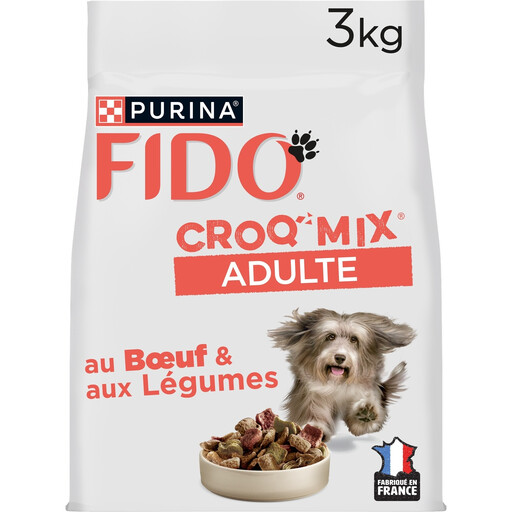
Why this choice suits this profile: This recipe is a straightforward option for an adult dog. The transition guidelines span ten days and the portion size can be adjusted according to your dog’s activity level.
The product page clearly states 4% beef and 20% crude protein: you can compare the recipe without being misled by the name alone.
A complete food for adult dogs, with 20% crude protein, 10% fat and several pack sizes available.
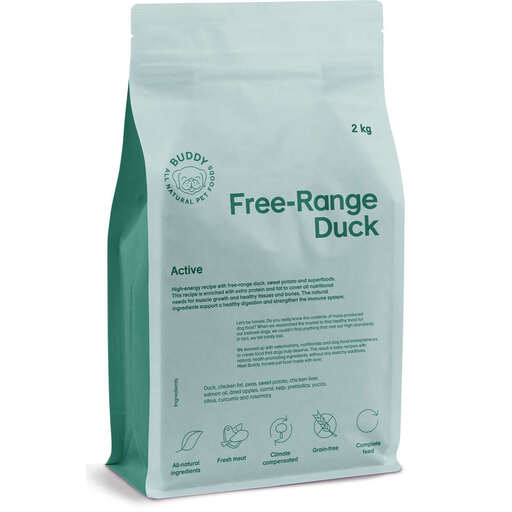
Why this choice suits this profile: This formula is aimed at owners looking for a duck-based recipe with clearly listed ingredients and a high energy density.
The list details duck protein, salmon oil, fibre and metabolisable energy: you can relate the price to the portion you actually feed.
The recipe states 44% dehydrated duck protein and 26% fresh duck, with a density of 4,000 kcal/kg.
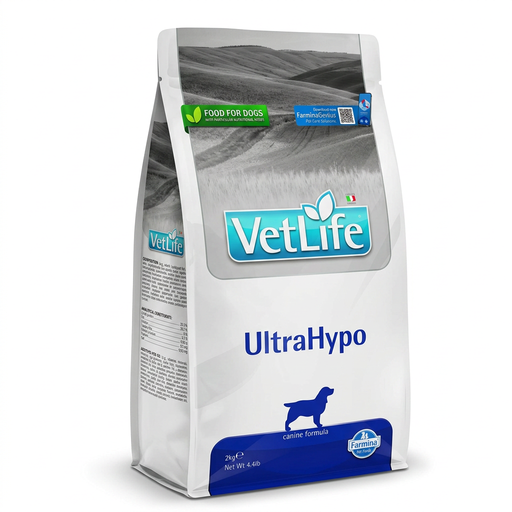
Why this choice suits this profile: This veterinary dog food is designed for adult dogs following a supervised elimination diet, with a deliberately limited ingredient list.
The formula lists hydrolysed fish protein and rice starch. However, it should not be chosen without a vet’s advice if you suspect an allergy.
A limited ingredient recipe, 18% crude protein, 15% fat and stated omega-3 content.
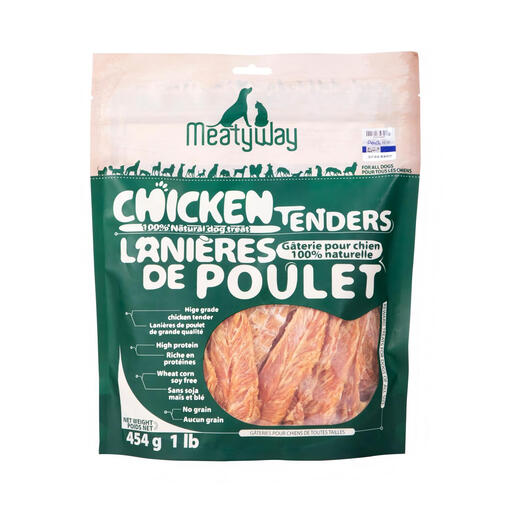
Why this choice suits this profile: These natural dog treats break easily into small pieces, making them practical for training or walks.
The product page provides the stated analytical values: at least 30% protein, at least 15% fat and a maximum of 18% moisture.
A soft texture, a resealable 454 g pouch and pieces that are easy to adapt for small dogs.
We’ve put together a comprehensive, real-time updated list of products that meet these strict selection criteria and European safety standards.
Fish-based dog kibble, like beef kibble, can form the basis of your dog’s diet as long as it’s complete and suited to your pet’s profile. Wet food offers a different texture and a high water content, but it should also be served according to the manufacturer’s instructions.
For a small dog, small-sized pieces and individual pouches can make daily feeding easier. For a larger or very active dog, pay particular attention to the daily amount, energy density and whether the packaging keeps the food fresh.
Treats should remain occasional or be factored into the daily ration calculation. Avoid piling up several products labelled “natural” without comparing their calorie content and fat levels.
Gradually mix the old and new food over several days. Start with a small amount of the new recipe, then increase it little by little. If your dog has persistent diarrhoea, vomiting or loss of appetite, consult a vet.
Reseal the bag after each use and store it in a cool, dry place away from sunlight. The shelf life depends on the date printed on the packaging, the bag size and storage conditions. An unusual smell, damp texture or colour change means you should not feed the product.
It depends on the formula and the reason it’s being used. An elimination diet or hypoallergenic recipe should be followed according to your vet’s instructions. Don’t extend the diet or change the associated treats without your vet’s approval: doing so could affect the assessment of your dog’s food tolerance.