
Livraison le jour même ou le lendemain

Qualité garantie

Débloquez vos offres de bienvenue: Livraison GRATUITE | Jusqu'à -80 % | 30 jours d'essai gratuits à JoyPlus
Téléchargez l'application
Protein powder can be a simple way to increase your daily protein intake after a strength-training session or between meals. However, packaging often focuses on flavor, BCAAs, or absorption speed, while other factors may matter more: the actual composition, serving size, allergens, and cost per serving.
Whether you are looking for whey protein, micellar casein, a ready-to-drink beverage, or a powder to add to your recipes, here are the key points to check before placing your order.
A large tub is not necessarily more cost-effective. To compare two products, divide the total weight by the serving size, then check how much protein each serving provides. A powder containing 80% protein may offer better value than a less concentrated product, even if its purchase price is higher.
Individual formats, such as whey protein sachets, are convenient when you are on the go, but their cost per serving is generally higher.
An isolate whey product often contains a high proportion of whey protein isolate. Depending on the detailed composition shown on the label, it may suit people looking to limit fat, carbohydrates, or lactose. However, the presence of an isolate alone is not enough to assess the product as a whole.
A whey formula may also combine concentrate, hydrolyzed isolate, thickeners, sweeteners, and flavorings. The ingredients list and nutrition facts therefore provide more useful information than marketing claims alone.
Whey protein comes from milk and is not suitable for people with a milk-protein allergy. Soy is also found in many formulas, particularly in the form of lecithin. Some protein bars may additionally contain tree nuts, cereals, or traces of egg.
A low-sugar protein product may still contain polyols or intense sweeteners. For example, the Corny Protein Vanilla White Chocolate bar contains 3.2 g of sugars and 34 g of polyols per 100 g. This is worth monitoring if you are sensitive to polyols.
For daily use, compare the protein content per serving as well as the amount listed per 100 g. The whey products featured here generally provide between 22 and 24 g of protein per serving.
The amount you need depends on your overall diet, activity level, and individual requirements. Protein consumed after training does not replace a varied diet.
Whey protein is often preferred after training or as a snack. It can be mixed with water, milk, or a preparation such as porridge, and is available in a wide range of flavors.
Micellar casein has a thicker texture. It can be consumed in the evening or between meals. Optimum Nutrition Gold Standard 100% Casein Strawberry Delight provides 24 g of protein per serving and 0.6 g of fat.
For on-the-go use, a ready-to-drink protein beverage or a bar may be more convenient than a tub paired with a shaker. Andros Sport Protein Drink Red Fruits is made in France, can be stored at room temperature before opening, and provides 10 g of protein per bottle.
A low-sugar formula does not automatically meet every goal. Also look at calories, fat, salt, and carbohydrates. For regular use, the number of servings is a decisive factor: larger 2 kg formats often reduce the need for repeat orders, while a 300 to 450 g pouch lets you try a flavor without making a major commitment.
If you have an allergy, medical condition, ongoing treatment, or specific nutritional needs, seek advice from a healthcare professional. Nestlé Instant Resource Protein is a food for special medical purposes: it must be used according to the instructions on the packaging and, where necessary, under medical supervision.
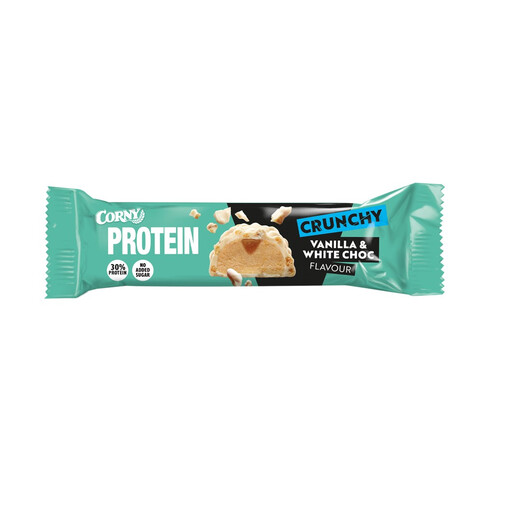
Why it is a good fit: An individually wrapped bar is ideal for a first taste, a break at the office, or a gym bag—no preparation required.
The serving size is clearly set at 45 g. The nutrition table lists 30 g of protein per 100 g, along with the amount of polyols to take into account.
A ready-to-eat format, a vanilla and white chocolate flavor, and 3.2 g of sugars per 100 g.
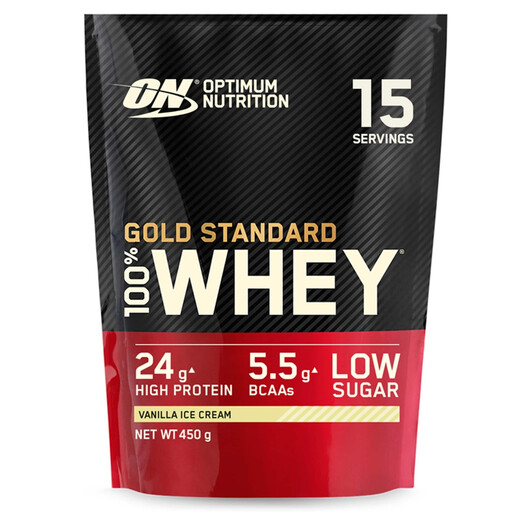
Why it is a good fit: The 450 g format lets you assess tolerance and flavor before moving to a larger quantity.
The formula lists a blend of whey isolate, concentrate, and hydrolyzed whey. Milk and soy allergens are clearly identified.
24 g of protein per serving of approximately 30 g, 0.9 g of sugars, and preparation with 180 to 240 ml of liquid.
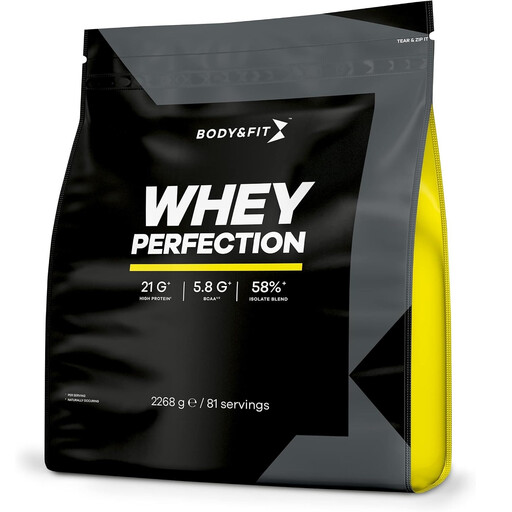
Why it is a good fit: With approximately 81 servings, this pack is designed for people who consume whey several times a week.
The 28 g serving is clearly detailed: 22 g of protein, 1.5 g of carbohydrates, and 1.5 g of sugars. The manufacturer recommends not exceeding three servings per day.
22 g of protein per serving, 100 kcal, and a blend of whey protein isolates, concentrates, and hydrolyzed whey.
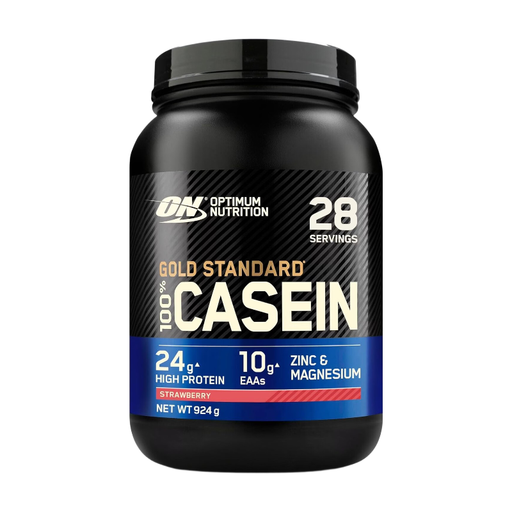
Why it is a good fit: Casein may be suitable as an evening snack or for people who prefer a thicker texture between meals.
The manufacturer explicitly states that its blend contains 88% micellar casein and provides 24 g of protein per 33 g serving.
0.6 g of fat and no added sugar per serving, according to the information provided.
Mix one serving with water or milk, generally following the quantity indicated on the packaging. A serving of whey can be taken after training, at breakfast, or between meals. The exact timing matters less than maintaining consistent dietary protein intake throughout the day.
To store your powder properly:
If your nutritional needs are related to loss of appetite, convalescence, or a risk of malnutrition, do not replace a medical formula with whey intended for sports use. The appropriate product depends on your circumstances.
We have brought together an up-to-date selection of products to help you compare formats, compositions, and uses in the food category.
Whey is a milk-derived protein generally consumed as a drink after training or as a snack. Micellar casein has a thicker texture and is known for slower digestion. The right choice mainly depends on your habits, tolerance, and meal composition.
The exact shelf life is stated on the packaging. After opening, store the powder in a dry place at a moderate temperature and keep the container tightly sealed. An unusual smell, excessive moisture, or a change in texture are signs that you should not use the product.
Not necessarily. It may be useful if you are monitoring your sugar intake, but you should also review the sweeteners, polyols, calories, allergens, and actual protein content. The nutrition facts will help you choose according to your diet and intended use, rather than relying on a single claim displayed on the packaging.