
Livraison le jour même ou le lendemain

Qualité garantie

Débloquez vos offres de bienvenue: Livraison GRATUITE | Jusqu'à -80 % | 30 jours d'essai gratuits à JoyPlus
Téléchargez l'application
Choosing a dietary supplement that combines vitamins and minerals might seem straightforward. Yet, with high-strength formulas, energy-boosting promises and large economy-sized bottles, there are several factors worth examining before you head to the checkout. The aim isn't to replace a varied diet, but to find a product that aligns with your habits, your needs and how long you plan to take it.
A long list of vitamins and minerals doesn't guarantee a well-thought-out formula. Instead, look closely at the amounts per daily dose, the recommended serving and the reference nutrient values. A formula boasting 27 nutrients can be convenient, provided it remains clear and suitable for everyday use.
Phrases like "energy", "immunity" or "anti-fatigue" should be taken with a pinch of salt. In Europe, certain claims are only permitted for specific nutrients and in line with regulatory conditions. Vitamin C, vitamin D, vitamin B6 and vitamin A, for example, contribute to the normal function of the immune system. Vitamins B12 and B3, along with magnesium, contribute to the reduction of tiredness and fatigue under authorised claims.
This doesn't mean a supplement can treat an illness or automatically compensate for lack of sleep, an unbalanced diet or a diagnosed deficiency.
A small bottle might seem cheaper at the till, but can work out more expensive per day. Conversely, a 400-tablet multivitamin format means you need to check the best-before date, storage conditions and how much cupboard space you have. For this type of product, the recommended dose is often one tablet a day, but always follow the label.
Before comparing two supplements, check:
A complete formula isn't necessarily the strongest one. The right choice depends on your diet, your age, your habits and, where relevant, the advice of a healthcare professional.
Those following a plant-based diet can look for vegan multivitamins. A gluten-free formula may also suit consumers who need to avoid this protein, provided you check the labelling and any allergen-related statements carefully.
The WeightWorld product shown below is described as vegan, gluten-free and lactose-free, with vitamin D3 sourced from lichen. You should verify this information on the packaging you receive, as formulations can change.
A small tablet is generally easier to swallow than a large one. Taste also matters when you need to take it every day. The WeightWorld formula states 9.5 mm peppermint tablets, to be taken with a large glass of water, preferably with a main meal.
For a long course, think about storage too: keep the bottle in a cool, dry place, close it carefully after each use and keep it out of reach of children.
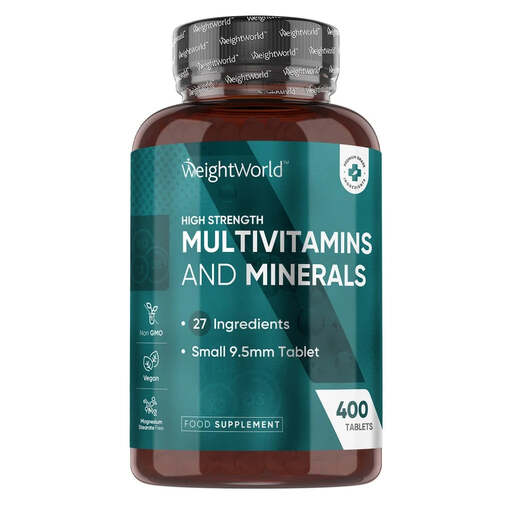
Why this choice suits this profile: With a stated intake of one tablet a day, this large format is ideal for those who want to avoid repeat orders and establish a simple, long-term routine.
The number of tablets is clearly stated and the product page details the intakes per tablet. This makes it easier to calculate the daily cost, rather than just looking at the price on the bottle.
27 vitamins and minerals stated, 400 tablets, vegan and gluten-free formula, 9.5 mm tablets.
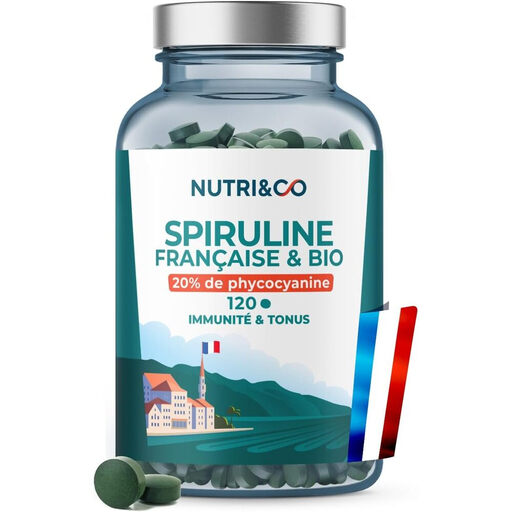
Why this choice suits this profile: This option is for those looking for a plant-based supplement that differs from a standard multivitamin formula, with production and packaging stated as being in France.
The product page states a 100% organic spirulina composition, with no declared additives or excipients. However, bear in mind that this is not a complete multivitamin.
Organic spirulina, vegan and gluten-free, 120 tablets, no declared compression agents.
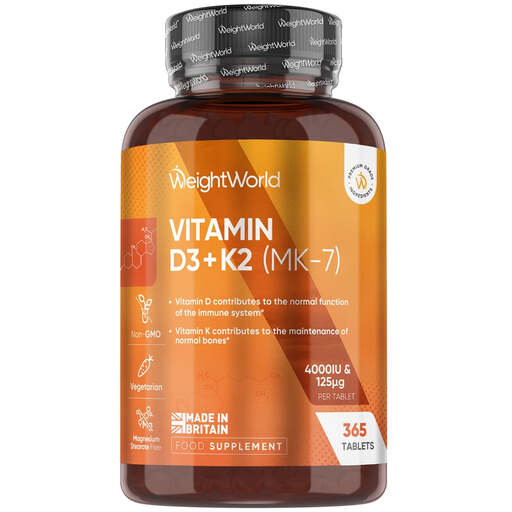
Why this choice suits this profile: This product targets a specific need around vitamins D3 and K2, rather than covering a broad range of vitamins and minerals. It may appeal to those who already closely monitor their nutrient intake.
The concentration and dose are stated separately for each nutrient. However, a high dose of vitamin D should be discussed with a healthcare professional, especially if you are on medication or have a specific condition.
365 tablets, vitamin D3 at 4000 IU and vitamin K2 MK-7 at 125 µg per tablet according to the product page.
We've compiled a complete, real-time selection of products that meet these strict criteria and the requirements of European safety regulations.
Stick to the dose stated on the packaging and avoid combining several supplements that contain the same vitamins or minerals without checking the total intake. Pregnant or breastfeeding women, those on medication, people with a chronic illness or a confirmed deficiency should seek advice from a healthcare professional.
A dietary supplement is not a substitute for a varied diet or medical supervision. Nutritional and health claims on a product page should not be confused with a promise of individual results.
It depends on the formula, the dose and your personal situation. If the label recommends one tablet a day, do not exceed this amount. Taking it with a meal can make it easier to swallow and help you build it into a regular routine.
At one tablet a day, a bottle of 400 tablets theoretically covers 400 days. Before buying a large format, however, check the best-before date and the storage recommendations.
No. "Vegan" means the product contains no animal-derived ingredients, whereas "gluten-free" addresses a different requirement. These two claims must therefore appear separately on the label or product page of the dietary supplement.