
Livraison le jour même ou le lendemain

Qualité garantie

Débloquez vos offres de bienvenue: Livraison GRATUITE | Jusqu'à -80 % | 30 jours d'essai gratuits à JoyPlus
Téléchargez l'application
Between LU biscuits, chocolate biscuits, wafers and filled biscuits, the choice can quickly become overwhelming. For the children's teatime, a coffee break or a sharing assortment, the packaging often highlights a flavour or texture without making comparison very straightforward.
Certain pitfalls crop up time and again. A large packet can contain relatively little product, while an individual size can sometimes push the price per kilo up. A mention like "with fruit" does not necessarily mean the filling contains a large amount of fruit. As for the chocolatey appearance or the promise of a light texture, that is not enough to know the actual composition.
Here are the criteria to examine before choosing your sweet treats.
A strawberry, raspberry or apricot biscuit may contain fruit purée, flavouring or a mix of both. Ingredients are listed in descending order by weight. To find out the real place of the fruit in the recipe, check the position and percentage of the purée or fruit preparation.
For example, LU Lulu apricot biscuits mention 27% apricot purée and a filling containing 48% apricots, according to the information available on the product page. LU Lulu strawberry biscuits, meanwhile, state 27% strawberry purée.
Two packets of 150g and 200g are not necessarily comparable if the biscuits are individually wrapped or if the packaging contains several sachets. For families, split packs limit exposure to moisture and make distribution easier, but they are not always the most cost-effective.
Compare the price per kilogram, the number of portions and the actual edible weight. For a sharing assortment, a large size can be the most practical. For a lunchbox or an office break, individual sachets often have the advantage of simplicity.
The presence of cereals, milk or cocoa does not turn a biscuit into a complete food. Consult the nutritional declaration per 100g, paying particular attention to sugars, fats, saturated fats and salt. This data allows you to compare plain biscuits, milk biscuits, chocolate-coated biscuits and wafers more objectively.
Allergen ingredients usually appear in bold on the label, in line with European consumer information rules. Depending on the reference, the products presented here may contain wheat, milk, soya, eggs, sesame or tree nuts.
People with allergies should always check the packaging received. The recipe, the manufacturing site or warnings related to cross-contamination can change. The "may contain" statement therefore deserves the same attention as the main ingredient list.
Plain biscuits and milk biscuits offer a relatively simple base to accompany a hot drink. Filled biscuits provide a softer or creamier texture, while wafers rely on their fine, crispy layers.
For chocolate lovers, make the distinction between cocoa biscuits, chocolate-filled wafers and chocolate-coated biscuits. The mouthfeel and fat content can vary noticeably. Petit Écolier, for example, combines a butter biscuit with a layer of milk chocolate representing 48% of the product, according to its product description.
Store packets in a cool, dry place away from heat. After opening, carefully reseal the sachet to preserve crispness. This precaution is particularly useful with wafers and filled biscuits, which quickly lose their texture when exposed to moisture.
The best-before date is on the packaging. Before consuming the product, also check that the packet is intact, especially if it has been shipped or carried in a shopping bag.
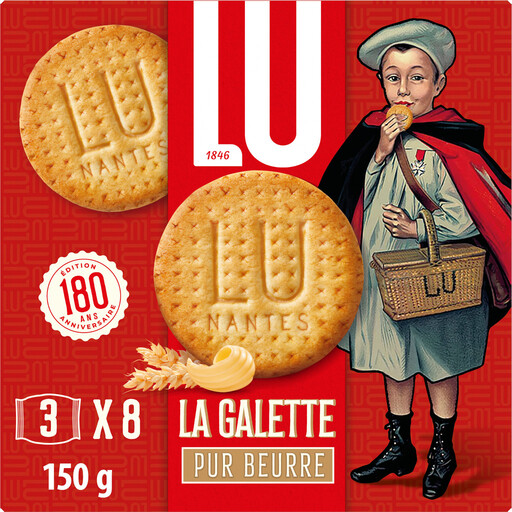
Why this choice suits this profile: A familiar recipe made with wheat flour and butter, ideal for a coffee break, tea or everyday teatime.
The 150g weight and clearly stated composition make it easy to compare price and ingredients, without paying for a filling that is barely present.
Wheat flour at 63%, butter at 18%, 2.7g fibre and 464kcal per 100g according to the product page.
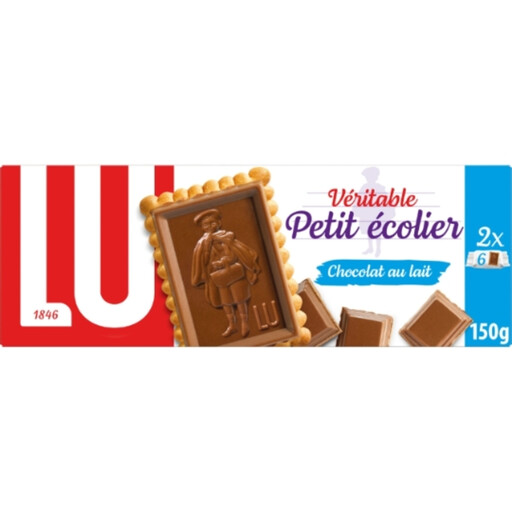
Why this choice suits this profile: A perfect size for a more indulgent break, with the contrast between the crunchy biscuit and the milk chocolate.
The stated proportion of 48% milk chocolate allows you to distinguish a coated biscuit from a simple cocoa-flavoured reference.
Butter biscuit at 52% and milk chocolate at 48%; the page states 498kcal and 39g sugars per 100g.
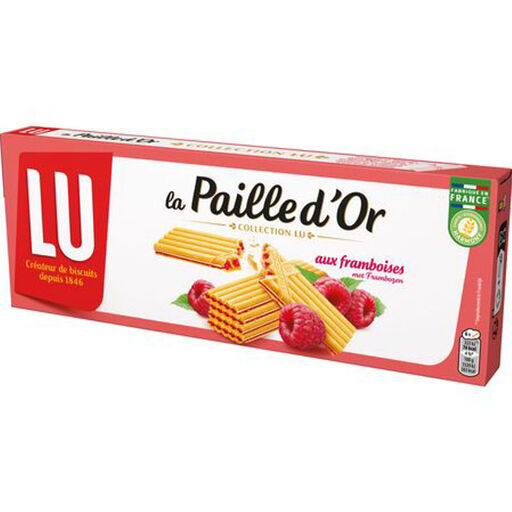
Why this choice suits this profile: Fans of fruity wafers can step away from the classic chocolate options with a raspberry filling.
The page specifies the presence of 17% raspberry purée and lists the allergens wheat, egg, milk and soya, for a more transparent choice.
170g size, crispy texture and 363kcal per 100g according to the displayed data.
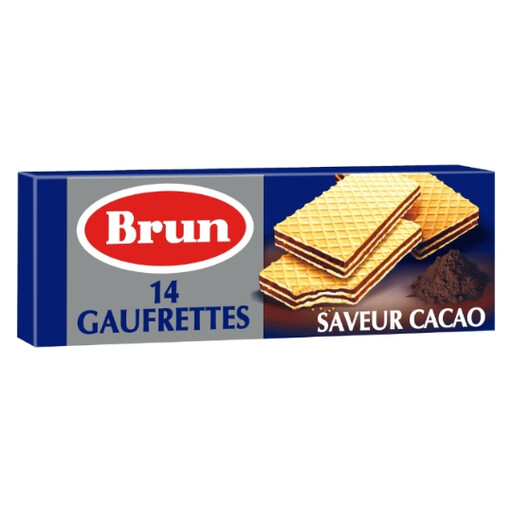
Why this choice suits this profile: A cocoa wafer in portions, designed to accompany a hot drink at the office or at home.
The reference states 14 biscuits for 146g and details the presence of chocolate powder at 3.5%, without presenting cocoa as a majority ingredient.
Easy-to-portion size, origin France stated on the page and 512kcal per 100g.
We have compiled a complete, real-time updated list of products that fully meet these strict selection criteria and European safety regulations.
For a family teatime, compare the size, allergens and composition rather than just the flavour. Plain or milk biscuits suit those looking for a simple recipe, while filled biscuits, strawberry or chocolate, offer more variety. An appropriate portion and occasional consumption help to integrate these products better into daily habits.
Reseal the sachet as soon as possible and store it in a dry cupboard, away from heat sources. Wafers lose their crispness when moisture gets into the packaging. For a large assortment of biscuits, individual sizes can help preserve the remaining portions.
The price depends on the weight, the proportion of chocolate, the size and the packaging. To compare properly, look at the price per kilogram and the amount of chocolate stated. A small packet may seem cheaper at the till, yet work out more expensive per 100g.