
Livraison le jour même ou le lendemain

Qualité garantie

Débloquez vos offres de bienvenue: Livraison GRATUITE | Jusqu'à -80 % | 30 jours d'essai gratuits à JoyPlus
Téléchargez l'application
Choosing a liqueur or an aperitif isn’t just about picking a pretty bottle. With recipes ranging from very sweet to bone-dry, alcohol levels that can vary threefold, and bottle sizes that sometimes don’t suit the intended use, disappointment can quickly set in. At home, a single bottle might be used for sipping neat, mixing cocktails, accompanying a meal, or giving as a gift – so each purpose deserves a bit of thought before you buy.
A fruit liqueur can be sweet, tangy, floral, or frankly sugary. The word “fruity” alone won’t tell you what you’ll actually find in your glass. A lychee liqueur might lean towards floral notes, while an umeshu typically balances the sweetness and acidity of the Japanese plum.
Take a moment to read the description, the ingredients list, and the alcohol percentage. Terms like “coconut,” “passion fruit,” or “mint” give you an aromatic direction, but they don’t necessarily reveal the true intensity.
An aperitif at 12.5% ABV, like Aperol, is not drunk the same way as an amaretto at 28%, a spiced rum at 31%, or a pastis at 45%. The alcohol level affects the strength on the palate, the serving size, and the proportion of mixer you’ll need in a cocktail.
For sipping over ice, bottles between 14% and 20% ABV are often more approachable. Stronger bottles are better suited to structured cocktails or small servings as a digestif.
A 70 cl bottle is practical if you entertain regularly or often make cocktails. A 50 cl bottle, on the other hand, lets you try an unusual flavour without being left with a large quantity you might not finish. Also consider storage conditions: some drinks need to be refrigerated after opening, especially those containing milk or cream.
Before you place your order, look for three key details:
An exotic punch or a spiced rum may already contain plenty of sugar and flavourings. Add other ingredients gradually to keep the balance between fruit, acidity and alcohol.
The ingredients list deserves close attention, especially for creamy products. Baileys and DORMOY coconut punch both contain milk. The Japanese tomato liqueur La Tomato lists celery among its allergens. ST-GERMAIN, meanwhile, notes the presence of sulphites.
This information is essential if you have an allergy, but it also helps you choose a bottle that fits the meal you’re planning or the person you’re buying for.
Store unopened bottles away from light, in a cool, dry place, following the instructions on the label. After opening, seal the bottle tightly. La Tomato recommends refrigeration and consumption within three months. For cream- or milk-based drinks, always check the packaging and stick to the stated shelf life.
Sale and consumption are restricted to persons aged 18 and over. Alcoholic drinks are not recommended during pregnancy and should be consumed in moderation.
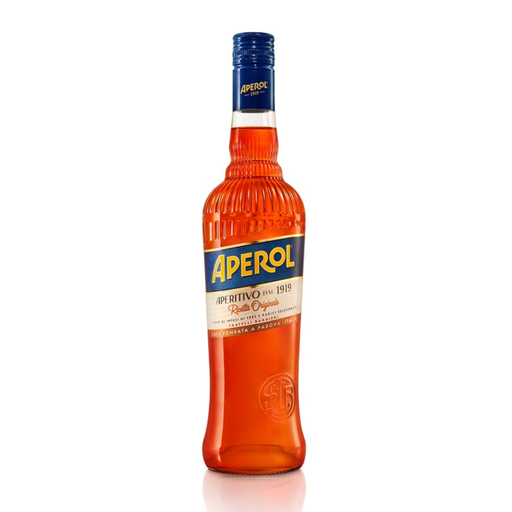
Why this choice suits this profile: At 12.5% ABV and in a 70 cl bottle, this is perfect for making your first cocktails to share.
The product page clearly gives the Spritz recipe: 3 parts Prosecco, 2 parts Aperol and 1 part sparkling water.
An easily recognisable orange profile, a standard bottle size, and clear instructions for the cocktail.
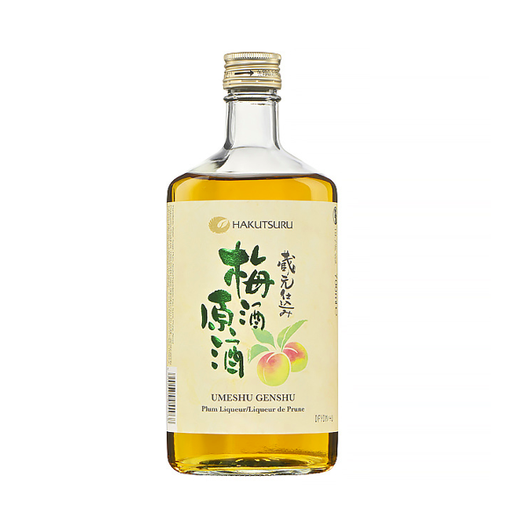
Why this choice suits this profile: This Japanese umeshu puts the ume plum centre stage and can be enjoyed neat, on the rocks, or in a cocktail.
The origin, volume and alcohol content are all stated, making it easy to compare with other Japanese liqueurs.
70 cl, 19.70% ABV and a profile described as sweet and tangy.
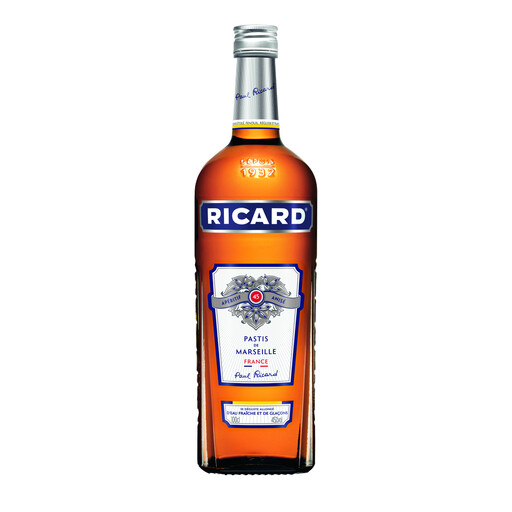
Why this choice suits this profile: Its large format and water-dilution serving style make it ideal for regular aperitifs and big gatherings.
The high ABV is clearly displayed, and the dilution method is well known – the product is not presented as a drink to be served neat in large quantities.
1 litre, 45% ABV and a blend of aniseed, liquorice and aromatic plants.
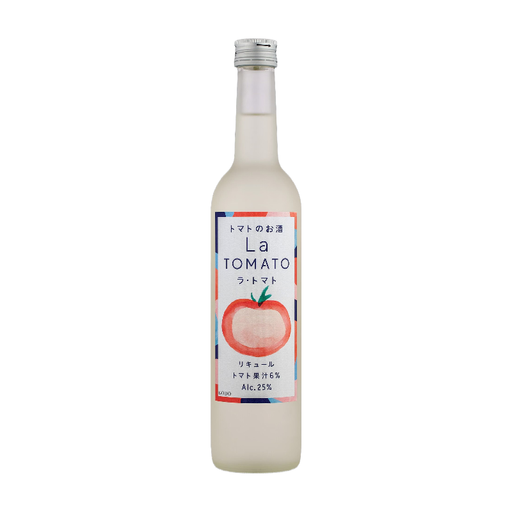
Why this choice suits this profile: This Japanese tomato-based liqueur is for those who want to step off the beaten track with a vegetal, tangy twist in their cocktails.
The ingredients and the presence of celery among the allergens are clearly stated. At 50 cl, the size also limits the risk of being left with a large bottle before you know if you like this profile.
A Japanese origin, 25% ABV and notes of tomato, green apple and lemony acidity.
We’ve put together a comprehensive, real-time selection of products that meet these criteria as well as European safety regulations.
A liqueur is typically made from alcohol, sugar and flavourings, or from macerated or distilled ingredients. An alcoholic aperitif is designed to be drunk before a meal, either neat, with water, or in a mix. The two categories can overlap, depending on the recipe and the applicable regulations.
It all depends on the ingredients. Drinks containing cream or milk need special attention: follow the manufacturer’s recommendations. For other bottles, keep them tightly sealed, away from light and heat. If the label recommends refrigeration after opening, that instruction should take priority.
A 70 cl bottle is suitable for regular use or when you’re expecting guests. To try an unusual flavour, a 50 cl bottle – like a fruit liqueur or a Japanese liqueur – lets you limit the quantity you buy. In any case, measure your ingredients with a jigger and avoid piling too many different spirits into one cocktail.