
Livraison le jour même ou le lendemain

Qualité garantie

Débloquez vos offres de bienvenue: Livraison GRATUITE | Jusqu'à -80 % | 30 jours d'essai gratuits à JoyPlus
Téléchargez l'application
Lentils, chickpeas, dried beans… legumes are becoming a staple in modern diets. Packed with plant-based protein, incredibly versatile, and cost-effective, they tick all the boxes. Yet, with the overwhelming selection available online, it's easy to make the wrong choice and turn a good intention into a culinary disappointment.
As the Head of Product Recommendations at Joybuy, I'm here to help you navigate the options. Let's review the common pitfalls to avoid and the essential criteria for making an informed choice that perfectly fits your needs.
Shopping online is convenient, but some details are easy to miss. Here are the three most common mistakes that can cost you both time and money.
To avoid these pitfalls, simply focus on a few key points that will make all the difference.
The format is the first question to ask yourself. It all depends on how much time you have and your intended use.
A golden rule applies here : the shorter the ingredient list, the better. For dried legumes, it should contain only one item : the legume itself. For processed products, watch out for salt (sodium), added sugars, and any additives.
If your goal is to boost your intake of plant-based protein, legumes are a first-rate choice. Their protein content can vary significantly :
This information, always available on the nutritional label, is your best tool for comparing products and choosing the ones that align with your goals.
To help you make a confident choice, here’s how these criteria apply to a few products tailored for specific needs.
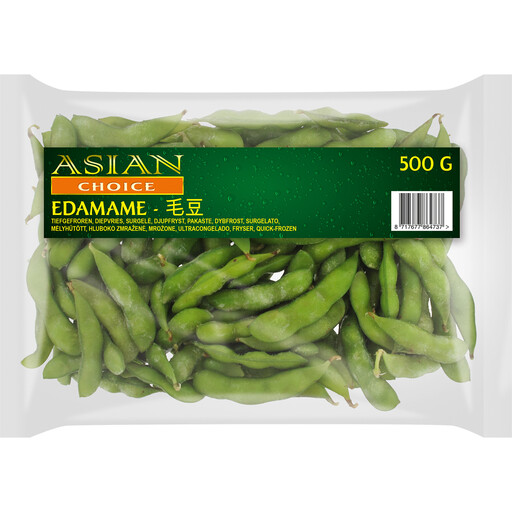
Why it's the perfect choice : Perfect for a healthy side dish or a last-minute appetiser that's ready in minutes. The frozen format allows you to use only the amount you need, preventing waste and ensuring you always have a healthy option on hand.
This product perfectly solves the 'unsuitable format' pitfall. Being frozen, it can be prepared in a flash with no soaking required. The ingredient list is exemplary : 100% soybeans.
High in protein (13 g/100 g) and no added salt. Cooks quickly in boiling water or in the microwave.
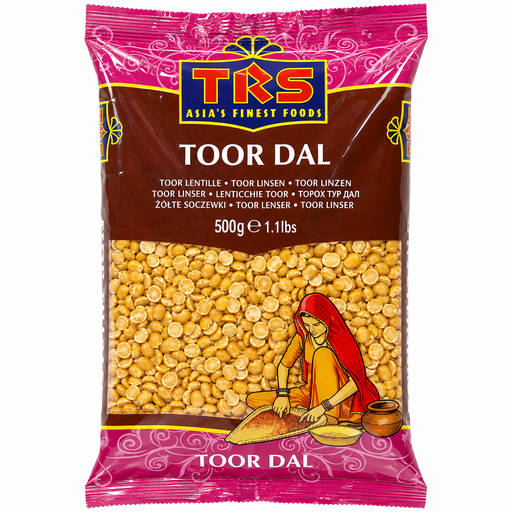
Why it's the perfect choice : Essential for cooking an authentic Indian dal. Toor Dal (split pigeon peas) is the key ingredient for achieving a creamy texture and a distinctive flavour that you can't get from standard lentils.
This product avoids the 'poor quality' trap by providing a specific legume for a precise recipe. The result is an authentic dish, something standard lentils could never guarantee.
Single ingredient : 100% Toor Dal, with no additives. The perfect base for traditional dishes like sambar or dal fry. High in protein (20 g/100 g).
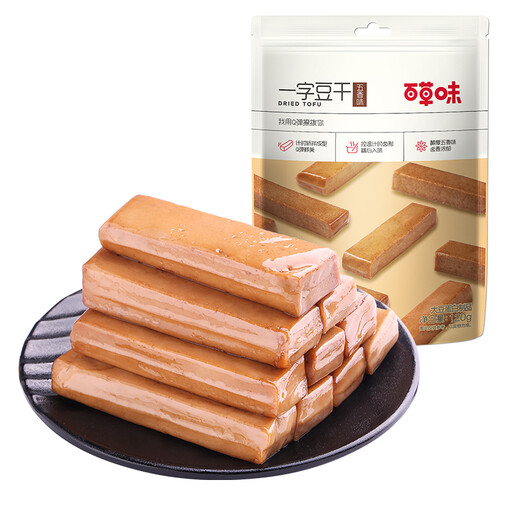
Why it's the perfect choice : A flavourful, protein-rich, and ready-to-eat snack. Its individual packaging is ultra-practical for on-the-go snacking, whether at the office or after a gym session.
This product is a direct answer to the "all-natural illusion" trap. It's unapologetically a convenient, flavourful snack, not a raw health food. Its formulation is designed for taste first and foremost.
Ready to eat and individually wrapped. A firm, satisfying texture with a solid protein content (12.3 g/100 g).
We have curated a full range of products that meet our selection criteria and all current regulations.
Soaking is highly recommended for larger legumes like chickpeas and dried beans. It reduces cooking time and aids digestion. As a rule, an overnight soak in a large volume of cold water is sufficient. Lentils (red, green, brown) and split peas, however, do not need to be soaked.
For dried legumes, it's best to transfer them to a glass jar or an airtight container. Store them in a cool, dry, and dark place : they will keep for at least a year this way. Frozen products should, of course, be kept in the freezer. Once opened, canned legumes should be transferred to a non-metallic container, refrigerated, and consumed within 48 hours.
Yes, as long as you choose wisely, because they are incredibly convenient. To make the right choice, look for "low sodium" or "no salt added" versions. The best practice is to always rinse them thoroughly under cold, running water before use. This simple step can remove up to 40% of the sodium found in the canning liquid.