
Livraison le jour même ou le lendemain

Qualité garantie

Débloquez vos offres de bienvenue: Livraison GRATUITE | Jusqu'à -80 % | 30 jours d'essai gratuits à JoyPlus
Téléchargez l'application
A bowl can be used to mix a batter, serve a salad, enjoy a ramen dish or simply hold a sauce. Yet buying kitchen and serving bowls without checking their features can sometimes lead to unwelcome surprises.
The first pitfall is choosing based on looks alone. Attractive Japanese or Scandinavian tableware may prove impractical if the size doesn’t suit the portions you usually serve. Another common mistake is treating all materials alike. Ceramic, porcelain and stainless steel vary in weight, durability and care requirements. And claims such as ‘dishwasher-safe’ or ‘heat-resistant’ should be checked for each product. They may not apply to accessories, particularly wooden lids.
Before choosing a set of bowls, think about how you’ll use them most often:
It’s also worth checking the stated capacity. A 150 ml bowl is better suited to a sauce, tapenade or handful of nuts than a proper bowl of cereal.
Ceramic bowls have a reassuring weight on the table and come in a wide range of finishes. They’re well suited to everyday meals, but can be vulnerable to knocks and chips. Porcelain bowls are generally finer and lighter, with a simple look or a style inspired by Japanese tableware.
304 stainless steel is especially useful for mixing, washing fruit and vegetables, and preparing food. However, it isn’t suitable for use in the microwave. It can also be noisier on a worktop or table than a ceramic bowl.
For each product, look for clear information about:
A bamboo lid, for example, will generally need to be washed by hand and dried thoroughly, even if the main bowl is dishwasher-safe.
In a kitchen where every centimetre counts, stackable bowls have a real advantage. Nesting sets take up less room in a cupboard, while square shapes can sometimes fit more neatly in a fridge.
Also check the bowl’s rim, interior finish and stability. A smooth surface is easier to clean after a sauce or sticky mixture. For wooden bowls and sets that include a wooden tray, avoid prolonged soaking and abrasive cleaning products. Check ceramic bowls regularly for cracks and chips: damaged items should no longer be used for food.
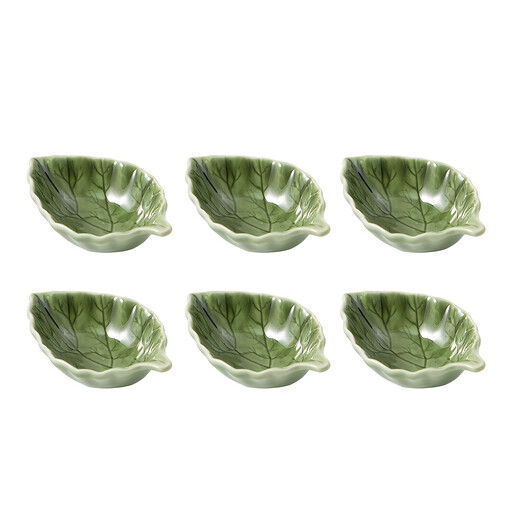
Why this is a good fit for you : This compact set is ideal if you’d like to add small bowls to your tableware for sauces, honey, milk or toppings. With six pieces, you’ll have enough for a few nibbles or an Asian-inspired meal.
At 40 ml, the capacity makes it clear what these are: dipping bowls, not bowls for a main portion.
A set of six ceramic bowls, sized for sauces, condiments and small portions.
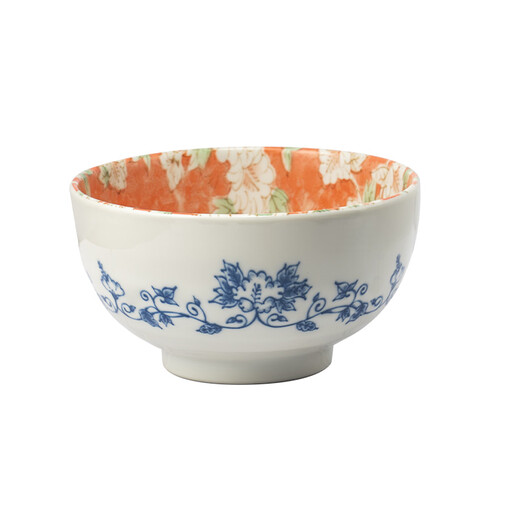
Why this is a good fit for you : With a diameter of 15.5 cm, this bowl is a lovely choice for anyone who appreciates Japanese-inspired presentation and individual portions of noodles, soup or saucy dishes.
The stated diameter makes it easy to check that the bowl suits your portions and the space available in your cupboard.
Japanese porcelain, a floral design and a size made for ramen and soup.
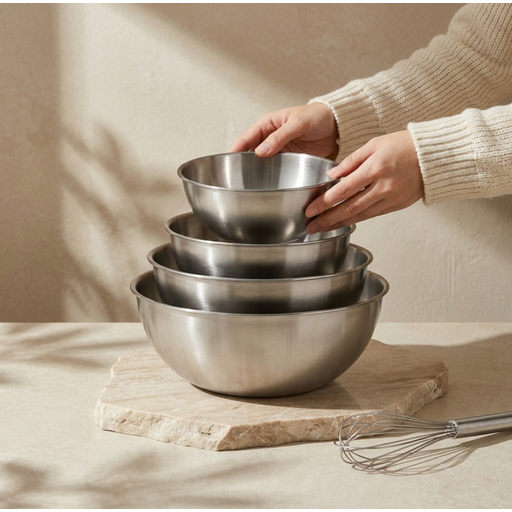
Why this is a good fit for you : The four diameters, from 19 to 28 cm, cover everything from baking and salads to washing fruit and vegetables and preparing several ingredients at once.
The dimensions and nesting design are clearly stated, so there are no unwelcome surprises when it’s time to put them away.
304 stainless steel, four nesting sizes and dishwasher cleaning listed as suitable on the product page.
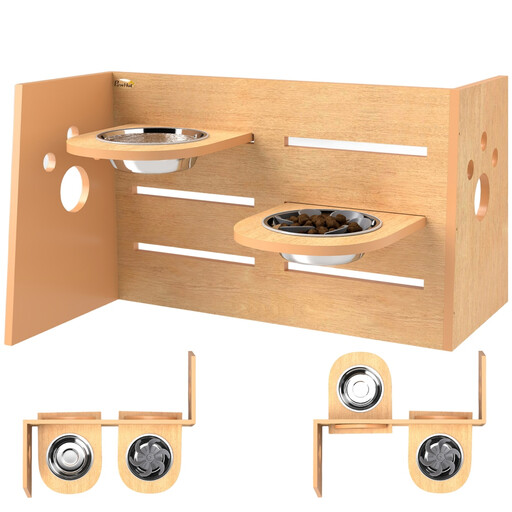
Why this is a good fit for you : This feeding station is designed for households looking for a stable set-up for their dog. It has three adjustable heights and two removable one-litre bowls.
The height, capacity and non-slip ring are all specified, rather than left open to interpretation.
Three height settings, two removable stainless steel bowls and a slow-feeder mat included.
We’ve gathered products that meet these careful selection criteria and European safety requirements in a complete list that’s updated in real time.
Ceramic and porcelain are particularly well suited to serving and presentation. Stainless steel is more practical for preparing, washing and mixing ingredients. The right choice depends on the weight you prefer, the style of your table and which appliances you plan to use. Always take a moment to check the symbols and care instructions on the product page.
A versatile selection might include several mixing bowls, individual bowls for soup or cereal, and a few ramekins. If you entertain regularly, add some snack bowls and sauce bowls. Sets of four to six pieces make it easier to create a coordinated table, but size matters more than the number of bowls.
Avoid sudden temperature changes, and never put an item in the oven or microwave unless it’s explicitly stated as suitable. Use a non-abrasive sponge for cleaning. Put chipped or cracked bowls aside. Wooden trays and lids should be washed by hand and dried straight away.