
Livraison le jour même ou le lendemain

Qualité garantie

Débloquez vos offres de bienvenue: Livraison GRATUITE | Jusqu'à -80 % | 30 jours d'essai gratuits à JoyPlus
Téléchargez l'application
Shopping for everyday essentials can quickly become a headache. Between tempting deals, eye-catching packaging, and a jungle of product choices, it's easy to fall for an item that ultimately disappoints. What looks like a great bargain can often hide flaws that aren't obvious at first.
To avoid being misled, here are the most common traps to watch out for:
To make the right choice, (almost) everything you need is on the packaging. Here are the points to examine closely.
To assess a product's true cost, forget the shelf price and make a habit of calculating the cost per unit:
The ingredients list is your best ally, especially for reactive skin. For baby care and intimate hygiene, the golden rule is simplicity: look for short, transparent formulas.
For toilet paper, tissues, or wipes, quality is judged by performance: the product has to hold up.
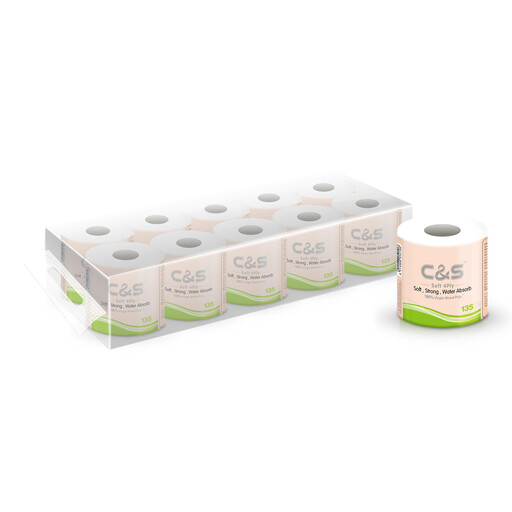
Why it's a great choice: This family-size pack is designed to last. With its 4 plies and a weight of 135g per roll, it offers the durability and absorbency needed for an active household. You'll be changing the roll less often.
It avoids the "deceptive value pack" trap. Thanks to its thickness and density, you use less. Its cost-in-use therefore becomes very competitive against cheaper but much thinner rolls.
An excellent durability-to-comfort ratio thanks to its 4 plies and its pure wood pulp composition, with no added fragrance.
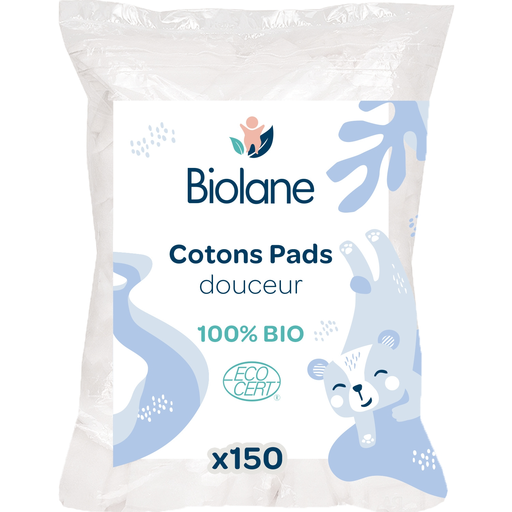
Why it's a great choice: Specially designed for baby care, this product is all about purity. The 100% organic, chlorine-free, and hypoallergenic cotton is a safe bet for the daily cleansing of the most fragile skin.
It avoids the trap of ambiguous "gentle" formulas by opting for total transparency. No superfluous ingredients, just certified cotton for maximum safety.
The GOTS certification by ECOCERT guarantees high-quality organic cotton. The cotton squares are durable and don't pill—a detail that makes all the difference during cleansing.
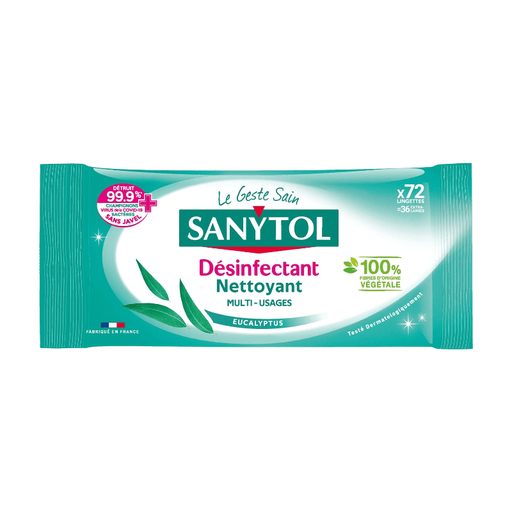
Why it's a great choice: For those who want cleaning products that get straight to the point, these wipes are a targeted solution. They clean, disinfect, and deodorise in a single step. Perfect for high-traffic areas like door handles, toilets, or countertops.
Unlike "all-in-one" wipes with questionable effectiveness, this product has a clear, verifiable mission. Its bleach-free formula disinfects effectively without damaging most surfaces.
The manufacturer states that the formula eliminates 99.9% of bacteria, fungi, and enveloped viruses. Bonus: the wipes are made in France from 100% plant-based fibres.
We have selected a full range of products for you that meet our quality criteria.
True value for money goes far beyond the cost per roll. Examine three points: the number of plies (the more, the better), the grammage (a heavier roll is denser), and the number of sheets. A 3- or 4-ply product is almost always more economical to use because you use much less of it.
The first rule is to always read the instructions on the package. Most disinfecting wipes are designed for hard, non-porous surfaces. For areas that come into contact with food, toys, or skin, a rinse with clean water is often necessary after use. And of course, avoid using them on unfinished wood, screens, or any other delicate surface.
"Water-based" wipes (like WaterWipes or certain Pampers ranges) are made of over 99% water, with a bare minimum of other ingredients. They are ideal for the ultra-sensitive skin of newborns. Classic wipes, on the other hand, incorporate gentle lotions, moisturising agents, or active ingredients that help preserve the skin's pH balance. They offer a more thorough clean, perfect for slightly older babies.