
Livraison le jour même ou le lendemain

Qualité garantie

Débloquez vos offres de bienvenue: Livraison GRATUITE | Jusqu'à -80 % | 30 jours d'essai gratuits à JoyPlus
Téléchargez l'application
Headphones can be used to listen to music, work from home, attend online classes or play on a console. The problem is that specifications often list figures that are difficult to compare. Record battery life does not guarantee outstanding comfort, and highly effective noise cancellation is of little benefit in a perfectly quiet office.
Before placing your order, three pitfalls are particularly common.
Over-ear headphones surround your ears with large ear cushions. They generally help limit sound leakage and are well suited to long sessions, but they can also be heavier and warmer. On-ear models sit directly on your ears: they are often more compact, but the pressure may become uncomfortable after a few hours.
Check the weight, headband padding, adjustment range and whether the hinges allow the headphones to fold. In everyday use, a few dozen grams can genuinely make a difference. If you wear glasses, also check the pressure around the arms of your frames.
Bluetooth headphones or wireless headphones give you plenty of freedom to move around. Bluetooth multipoint allows you to stay connected to two devices, such as a computer and a phone. This is very useful when working from home, but it does not always replace a low-latency connection for gaming.
Wired headphones with a 3.5 mm jack do not need a battery. They are suitable for console controllers, computers with the appropriate socket and audio players. With USB, headphones may be recognised immediately by a computer, as with the Logitech H340, but this type of connection does not work with every smartphone or console.
For gaming, identify the exact type of connection used: 2.4 GHz receiver, Bluetooth or proprietary connection. The wording PS5-compatible headset or Xbox-compatible headset should be checked in the specifications, as features relating to the microphone, voice chat and spatial audio can vary between platforms.
For calls, working from home and team gaming, headphones with a microphone that can be adjusted or removed are often more practical than a built-in microphone positioned too far from your mouth. Terms such as ‘microphone noise reduction’ or ‘ENC’ refer to voice capture, not necessarily the sounds you hear.
With noise-cancelling headphones, make sure you distinguish between active mode, transparency mode and passive isolation. The decibel figures highlighted by manufacturers provide an indication, but cannot predict the result in every environment. Battery life of 15 to 24 hours may be enough for several days, while a model advertised with 50 or 65 hours will need charging less often.
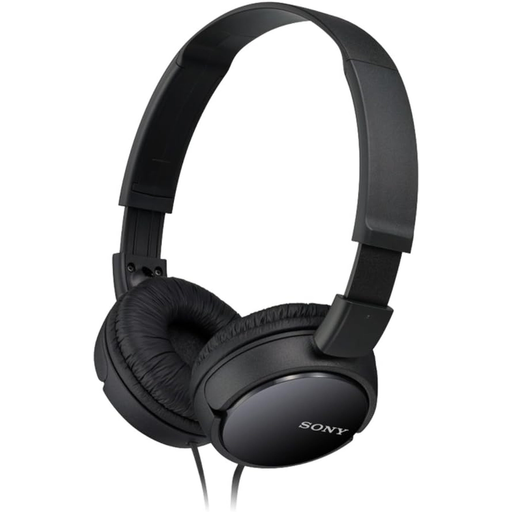
Why this choice suits this profile : These foldable wired headphones are suitable for everyday listening on a computer, tablet or phone with a headphone jack.
The jack connection means there is no need to recharge, while the foldable design makes it easy to carry in a bag.
30 mm drivers, 1.2 m cable, stated weight of 120 g and swivelling ear cups.
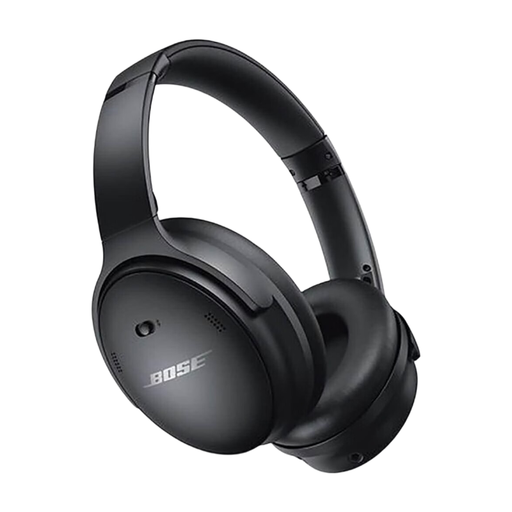
Why this choice suits this profile : The over-ear design and Quiet and Aware modes are particularly well suited to commuting, shared offices and long listening sessions.
Transparency mode lets you stay aware of what is happening around you instead of keeping isolation switched on all the time.
Bluetooth, audio cable included, USB-C and stated battery life of up to 24 hours.
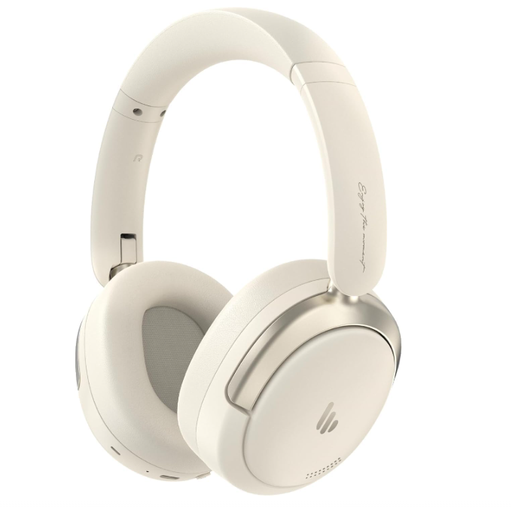
Why this choice suits this profile : These wireless headphones combine Bluetooth 5.4, multipoint connectivity and a built-in microphone, making it easy to switch between music and calls.
The dual connection means you do not have to switch manually between your phone and computer, while USB-C enables wired listening advertised as high-resolution.
Hybrid active noise cancellation advertised at up to -44 dB, stated battery life of 45 hours and foldable design.
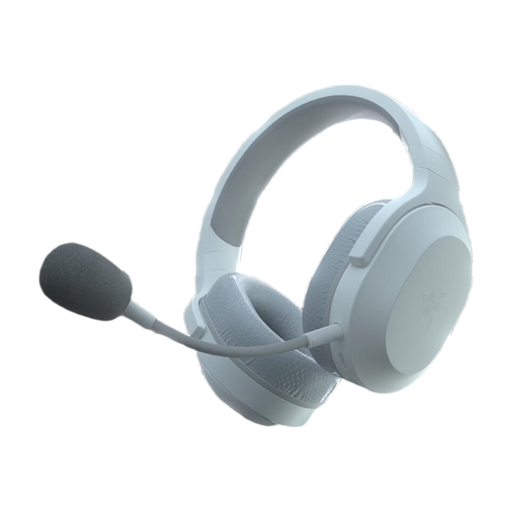
Why this choice suits this profile : The 2.4 GHz connection, Bluetooth and 3.5 mm jack allow you to use these headphones with PC, PS5, Switch and mobile devices, depending on the setup.
The specifications detail the connection modes and stated compatibility, helping you avoid choosing a model based solely on the words ‘wireless’.
Removable cardioid microphone, stated weight of 250 g and stated battery life of up to 50 hours.
We have brought together a complete, real-time updated selection of products that meet these demanding criteria and European safety standards.
No. The device must support Bluetooth, and some equipment may require an adapter. With a console, check the stated compatibility of the headphones and whether a USB receiver is included or required. A jack remains a simple and practical back-up solution.
It depends on how they are used and stored, as well as the condition of the ear cushions, cable and battery. Avoid moisture, twisting and prolonged listening at high volume. On a wireless model, the built-in battery may gradually lose capacity. The availability of spare parts or replacement ear cushions is worth checking before you buy.
Yes. When active noise cancellation is switched on, the microphones and electronic processing draw power from the battery. The difference varies depending on the model and mode used. If you work in a quiet environment, switching this feature off can extend battery life between charges.