
Livraison le jour même ou le lendemain

Qualité garantie

Débloquez vos offres de bienvenue: Livraison GRATUITE | Jusqu'à -80 % | 30 jours d'essai gratuits à JoyPlus
Téléchargez l'application
A drawer full of useless brushes and combs? Sound familiar? One pulls your hair, another makes it static, and the last one broke after just a few weeks. Choosing the right hair tool might seem simple, but it's often a minefield. The result: we too often fall for marketing promises over essential features, and we end up with purchases we regret.
Two mistakes are made time and again. The first is believing in the myth of the "universal" tool, which in practice does more harm than good to delicate hair types (fine, curly, etc.). The second is overlooking the material. This leaves you with a cheap plastic comb that creates static or a brush with bristles that irritate your scalp. This guide is here to arm you against these pitfalls and help you find the accessory that's truly right for you.
To make the right choice, forget the advertising claims for a moment and focus on the technical specs. Two points are crucial and determine 90% of a brush or comb's effectiveness: its material and the shape of its bristles or teeth.
The choice of material for your hairbrush or comb is critical for the health of your hair and the comfort of your scalp.
The shape of the tool is just as decisive as its material.
To put theory into practice, here are a few products that perfectly illustrate these criteria, each meeting a specific need.
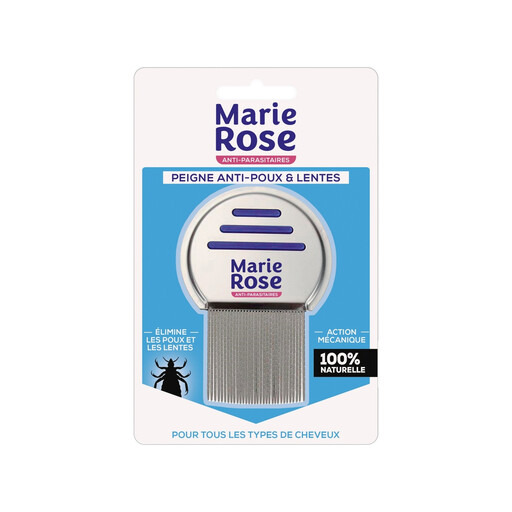
Why we recommend it: This is an essential tool for any family's medicine cabinet. It provides a mechanical, chemical-free solution to tackle a common problem. An effective and reusable tool.
It doesn't pretend to be a do-it-all comb. Its design is highly specific: the spacing of its teeth is precisely calibrated to capture lice and nits, a mission impossible for a standard comb.
Its long, grooved plastic teeth provide formidable mechanical action on all hair types, without causing damage.
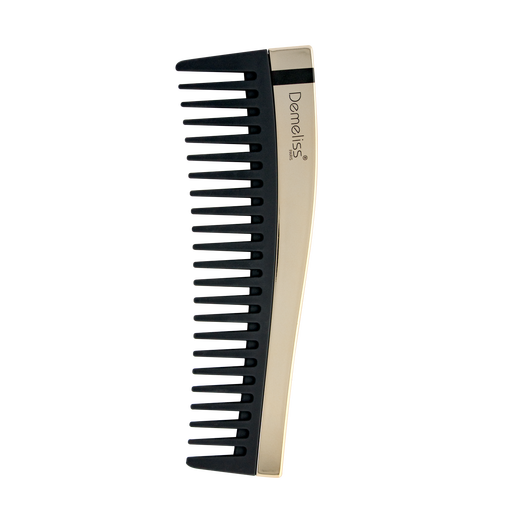
Why we recommend it: Anyone with curly or thick hair knows that the wrong comb can turn styling into a nightmare. This tool, however, is designed to glide through knots effortlessly.
It's the antithesis of the fine-toothed, "one-size-fits-all" comb. Its secret? Widely spaced teeth that respect the curl pattern and minimise breakage, on both wet and dry hair.
Its unique shape and extra-large teeth allow for gentle detangling that preserves the beauty of voluminous hair. Say goodbye to pain and breakage!
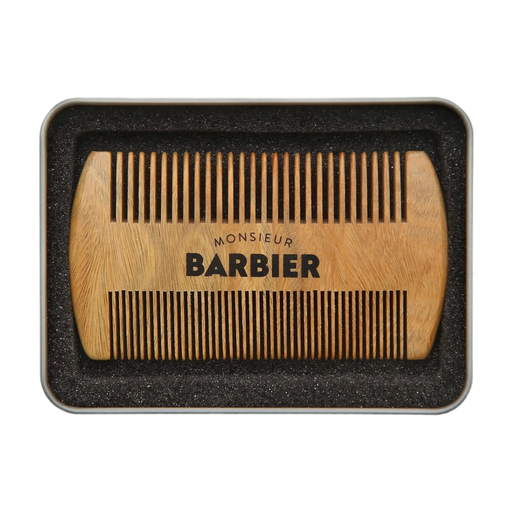
Why we recommend it: For those who care for their beard as much as their hair, a good comb is a must-have. This one combines function with style, topped off with a premium material.
It sidesteps the pitfall of cheap, static-inducing plastic. Sandalwood, on the other hand, is naturally anti-static, sturdy, and durable. A true investment.
Its double row of teeth (wide for detangling, fine for sculpting) makes it an ultra-versatile 2-in-1 tool for both beards and hair.
Explore our complete, up-to-date selection of products that meet our selection criteria and current standards.
A boar bristle brush is the best friend of fine to normal hair. It smooths the hair cuticle and distributes sebum for maximum shine. A nylon brush, with its more rigid bristles, is designed for deep detangling of thick, dense hair, where boar bristles can't penetrate.
First, remove all trapped hair, either by hand or with another comb. Then, wash the tool with warm water and a bit of mild soap or shampoo. Gently scrub the bristles or teeth with a small brush (an old toothbrush works perfectly). Rinse thoroughly and let it air dry on a towel, bristles facing down. Be careful: never soak brushes with wooden handles.
There's no expiration date, but regular inspection is a must. It's time for a change if: the bristles are broken or bent, the small protective beads on the tips are gone, or the rubber cushion is cracking. A damaged brush can snag your hair and irritate your scalp. For daily use, replacing it every one to two years is a good rule of thumb.