
Livraison le jour même ou le lendemain

Qualité garantie

Débloquez vos offres de bienvenue: Livraison GRATUITE | Jusqu'à -80 % | 30 jours d'essai gratuits à JoyPlus
Téléchargez l'application
The fruit drink aisle can be overwhelming. Between the colourful labels and promises of exotic flavours, it's easy to get lost. At Joybuy, our mission isn't to tell you what to buy, but to give you the tools to make an informed choice—one that truly matches your tastes and preferences.
But this marketing jungle hides a few common pitfalls. Identifying them is the first step to avoiding unpleasant surprises and unnecessary expenses.
Fortunately, you can outsmart these traps by playing detective and scanning the label. Here are the crucial points to verify.
The sales denomination, governed by very strict European regulations, is your best clue:
To get the full picture, head to the nutritional information panel. The "of which sugars" line indicates the total amount of sugar per 100 ml, whether naturally present or added. A no added sugar drink can be an excellent option if it uses sweeteners to maintain a sweet taste with a controlled calorie intake. Compare this value between different products to choose according to your goals.
How you plan to use it is a deciding factor. Are you looking for a refreshing drink that's ready to go, or a base for your homemade creations?
To put theory into practice, here are a few products that perfectly illustrate these criteria, each meeting a specific need.
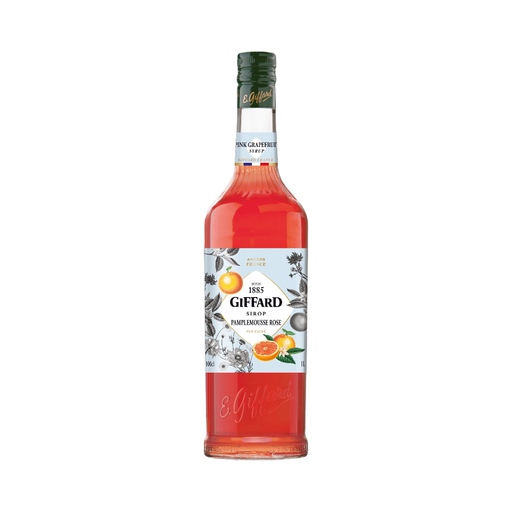
Why we chose it: Perfect for amateur mixologists, this syrup provides an intense and authentic aromatic base to enhance sparkling water, lemonade, or create a sophisticated non-alcoholic cocktail.
The label is honest: it's a syrup, not a disguised juice. Marketed as a concentrate, the presence of fruit juice ensures an authentic aromatic base, far from 100% artificial flavourings.
Made in France by a reputable house, its composition of pure cane sugar and concentrated juices guarantees a rich flavour and ideal texture for your creations.
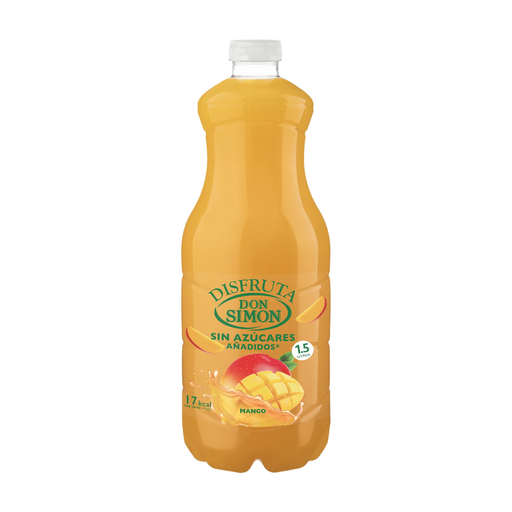
Why we chose it: For those who want to indulge in a delicious mango flavour without sending the calorie count soaring.
It sidesteps the "no added sugar" trap with full transparency. The claim is accurate, and the presence of a sweetener (sucralose) is indicated to justify the sweet taste despite a minimal calorie count: 17 kcal and 3.5g of sugar (from the fruit) per 100ml.
Its 1.5L family-size format and very low calorie content make it a guilt-free pleasure to be enjoyed daily.
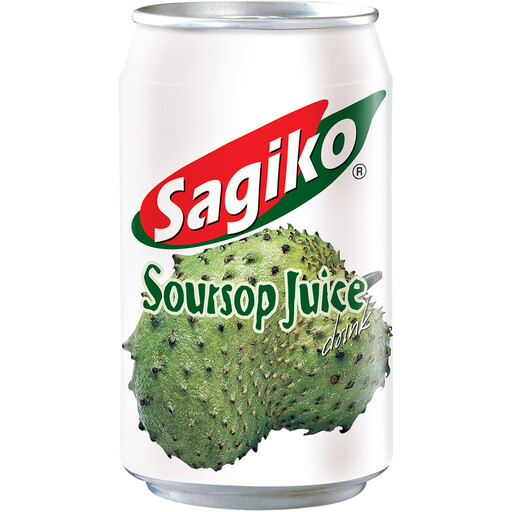
Why we chose it: For the curious who want to explore flavours beyond the classic orange-apple-pineapple. Soursop offers a unique taste profile that is both sweet and tangy.
Honesty pays off: the product is clearly labelled a "drink," not a "juice." The presence of soursop purée ensures an authentic taste, a far cry from the simple synthetic flavourings that often characterise entry-level products.
Its single-serving can format is perfect for a discovery tasting, without committing to a large bottle of a product you don't yet know.
We have curated a full range of products that meet these quality criteria and current regulations.
What is the difference between a juice, a nectar, and a fruit drink? In short: a juice is 100% fruit. A nectar is a mix of fruit purée or juice (25-50% minimum), water, and sugar/sweeteners. A fruit drink often has a lower fruit content, so it's essential to read the ingredient list.
How should I store a fruit drink after opening? Once the bottle or carton is opened, put it in the fridge! It's best to consume it within 3 to 5 days to maintain its freshness and prevent bacterial growth. Syrups, thanks to their high sugar content, last much longer, but should still be kept in a cool, dark place once opened.
Can I use a beverage syrup in cooking recipes? Absolutely! A quality fruit syrup is a surprising ally in pastry. It can be used to soak a cake, sweeten and flavour a fruit salad, or even create original glazes and marinades for sweet and savoury dishes. Its liquid format makes it very easy to incorporate.