
Livraison le jour même ou le lendemain

Qualité garantie

Débloquez vos offres de bienvenue: Livraison GRATUITE | Jusqu'à -80 % | 30 jours d'essai gratuits à JoyPlus
Téléchargez l'application
Buying French wines online gives you access to a vast array of appellations, but this abundance of choice can quickly make the decision more complicated. Bordeaux, Burgundy, Provence, the Rhône, the Loire or Languedoc: a pretty label isn’t always enough to guess the wine’s style or whether it will pair well with your meal.
Before placing an order, three common pitfalls keep cropping up:
The AOC and AOP labels indicate a specific geographical origin and a strict set of production rules. They don’t guarantee the wine will match your preferences, but they do make it easier to compare bottles.
To refine your choice, pair the appellation with the grape variety:
The 75 cl wine bottle remains the most common format for sharing a meal with others. Smaller formats, such as 37.5 cl bottles, are better suited to a small tasting or with dessert.
The alcohol content gives you a first indication, but it isn’t enough to predict how the wine will feel in the mouth. Product pages may also list the energy value per 100 ml, the ingredients and the presence of sulphites. The wines featured here contain sulphites, as stated on their labelling information.
Adults aged 18 and over should consume alcoholic beverages in moderation. Alcohol consumption is not recommended during pregnancy, even in small amounts.
A red wine with noticeable tannins will pair well with grilled meat, game or a mature cheese. A crisp white with citrus notes will go nicely with seafood, fish or goat’s cheese. A fresh rosé naturally suits salads, barbecues or summer dishes.
Serving temperature also matters: whites and rosés are generally enjoyed chilled, while reds benefit from being opened a little before the meal and served at a slightly warmer temperature.
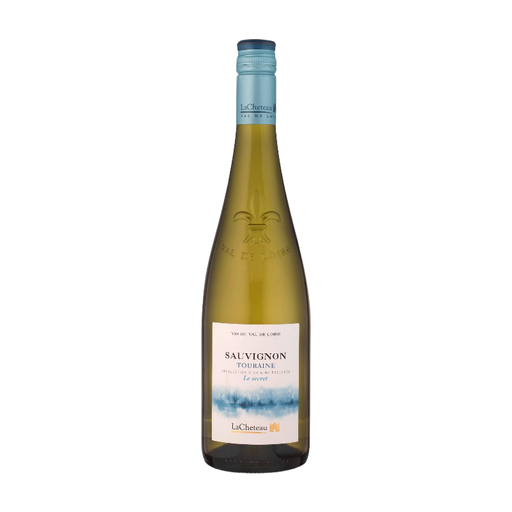
Why this choice suits this profile: With its citrus and floral notes, plus a lovely freshness, this sauvignon is an easy white to get to grips with, perfect for serving as an aperitif or with shellfish.
The product page clearly states the grape variety, the 75 cl format, the AOC appellation and the storage conditions, without limiting the choice to a simple marketing promise.
Clearly identified sauvignon, 75 cl format, bright colour, citrus notes and recommended serving chilled.
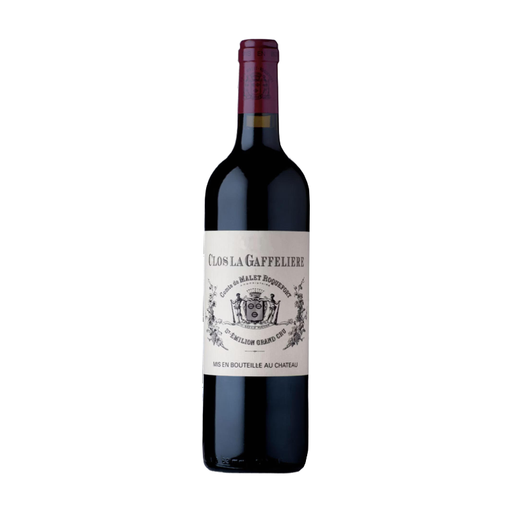
Why this choice suits this profile: This Bordeaux appellation is aimed at lovers of expressive reds, marked by dark fruits, spices and a finish with hints of cocoa.
The appellation, volume and tasting notes are all provided. This allows you to compare the wine’s style rather than relying solely on the prestige of its name.
Saint-Émilion Grand Cru AOC, intense purple colour and an aromatic palette of dark fruits, spices and bitter cocoa.
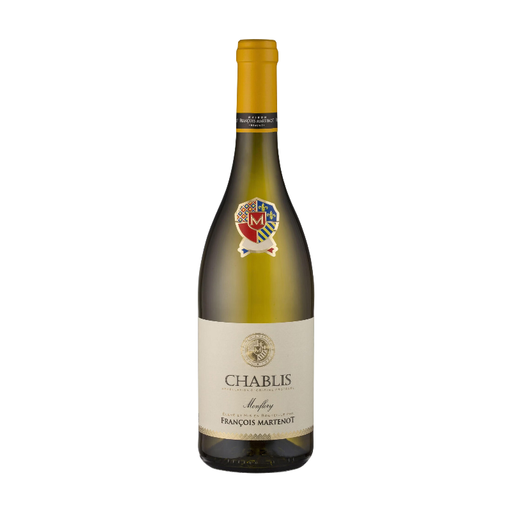
Why this choice suits this profile: Its zesty freshness and minerality make it a natural companion for meals featuring fish, oysters, sushi or cheese.
The product page details the food pairings, serving temperature and sulphite information, so you can choose the bottle based on the meal you have planned.
AOP Chablis, dry, crisp white profile, fresh finish and suggested pairings with fish, seafood and cheese.
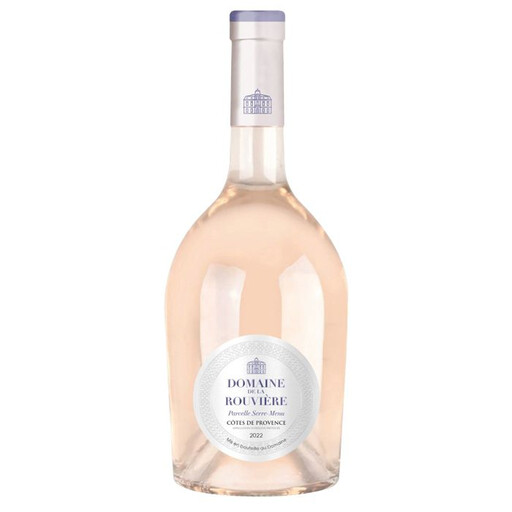
Why this choice suits this profile: This Provence rosé is made for relaxed meals, barbecues and dishes served chilled.
The blend of cinsault, grenache and syrah, along with the serving temperature, is clearly stated. So you know exactly what to expect.
AOP Côtes de Provence, pale pink colour, notes of citrus and red fruits, serve between 6 and 8 °C.
A white made from sauvignon, such as a Touraine, or a Provence rosé makes an easy starting point thanks to its freshness and versatile pairings. For a red, a Bordeaux Supérieur or a Burgundy pinot noir will work, depending on whether you prefer a more structured wine or a softer profile.
The AOC and AOP labels both refer to appellations governed by a specific geographical origin and a strict set of production rules. AOP is the European recognition, while AOC is the historic French designation. Either may appear depending on the product’s regulatory presentation.
Keep it in a cool, dark and stable place, away from heat and humidity. Always check the product page for the recommended serving temperature. An open bottle generally keeps for less time than a sealed one: re-cork it and place it in the fridge if it’s a white or rosé.