
Livraison le jour même ou le lendemain

Qualité garantie

Débloquez vos offres de bienvenue: Livraison GRATUITE | Jusqu'à -80 % | 30 jours d'essai gratuits à JoyPlus
Téléchargez l'application
Choosing a foundation seems simple… until the shade turns orange, the formula clings to dry patches, or your make-up fades before the end of the day. Claims of “long-lasting”, “luminous” finish or “transfer-proof” formula aren’t enough to compare products.
To find a formula that works for your daily routine, you really need to look at the shade, the finish, the coverage and how you’ll be using it. Here are the criteria to check before you choose, along with a selection of foundations suited to different needs.
A shade tested only on your hand might look perfect, then create a visible line between your face and neck. The colour of your hand is often different from your face, especially after sun exposure.
Instead, focus on three things:
References like 1N1 Ivory Nude, 1N2 Ecru, 1W2 Sand, 2N1 Desert Beige or 2W2 Rattan generally correspond to a specific skin depth and undertone. Always check the exact shade name before ordering.
A long-lasting foundation can have a matte, natural or luminous finish. A matte formula, designed to control shine, will often suit an oily T-zone better. However, it can feel uncomfortable on dry skin if it isn’t properly prepped. On the other hand, a luminous or hydrating foundation gives a softer look, but may emphasise shine over time.
The transfer-proof claim means the product is supposed to resist contact and rubbing better. It doesn’t guarantee it will stay perfectly intact under a mask, with sweat, or against a light-coloured collar. The amount you apply, your skin preparation and whether you use powder all affect the result.
A high-coverage foundation isn’t necessarily more practical. Medium, buildable coverage often lets you correct redness or imperfections locally, without coating your whole face in a thick layer.
To avoid a cakey look, start with a small amount in the centre of your face, then blend outwards. Add a second layer only where you need it.
Compare the shade to the skin on your neck or jawline, ideally in natural light. Ranges with lots of shades, like Estée Lauder Double Wear foundation, make it easier to find a suitable undertone. NARS also offers clearly identified shades, such as L2 MontBlanc, described as a very fair shade with pink undertones.
If you’re torn between two shades, think about how you’ll use the product: a slightly different shade will be more noticeable if you blend the foundation down onto your neck. Also check the product page information, because a colour can look different from screen to screen.
Claims like non-comedogenic, “dermatologically tested” or “suitable for sensitive skin” relate to the formulation or the protocol claimed by the brand. They don’t guarantee tolerance for every user.
A foundation with SPF can complement your routine, but it doesn’t necessarily replace a dedicated sunscreen for prolonged exposure. Some products, for example, have SPF 10 or SPF 20. Follow the instructions on the packaging and avoid contact with the eyes.
The INCI list can change, so check the one on the product you receive. If you experience irritation, redness or an unusual reaction, stop using it immediately. Don’t apply foundation to irritated or damaged skin.
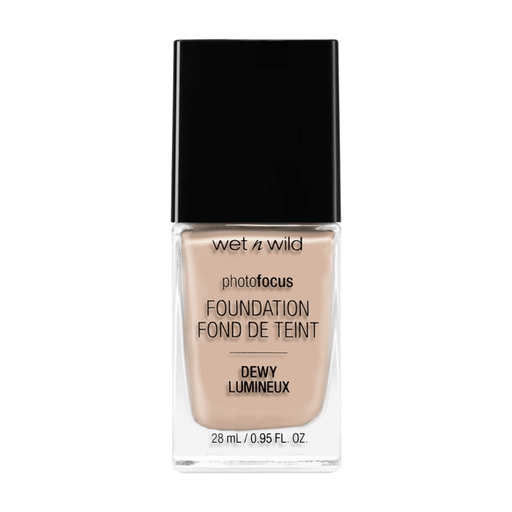
Why this suits this profile: Its buildable coverage and luminous finish let you start with a light application, ideal for everyday wear.
Its lightweight texture and the ability to layer it reduce the risk of getting too much coverage from the first application.
Dewy finish, claimed hydrating formula, buildable coverage and 28 ml size.
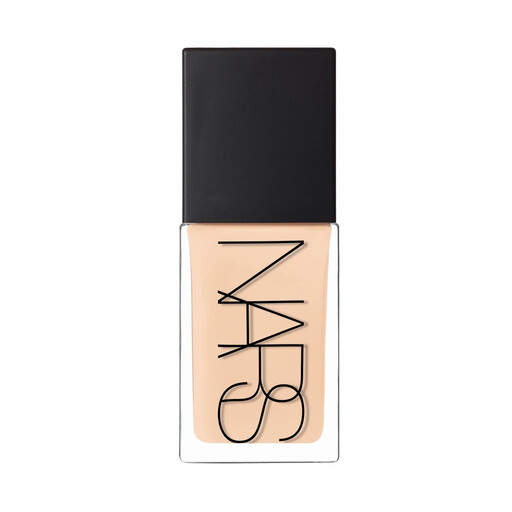
Why this suits this profile: This formula is for those who want a natural, slightly radiant look with buildable medium coverage.
Its buildable coverage stops you from automatically choosing a very high-coverage formula to get an even complexion.
Natural, luminous finish, lightweight texture and L2 MontBlanc shade for very fair skin with pink undertones.
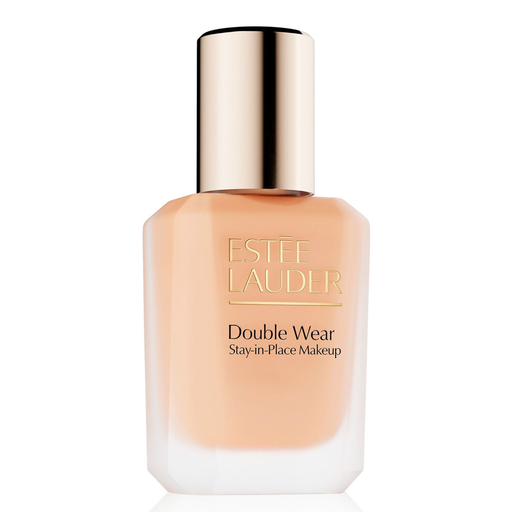
Why this suits this profile: The product page mentions a buildable texture, a natural matte finish and claimed resistance to water, heat and transfer.
The details specify the wear level, finish and application method, rather than just a general promise.
Natural matte finish, buildable coverage, claimed SPF 10 and 30 ml size.
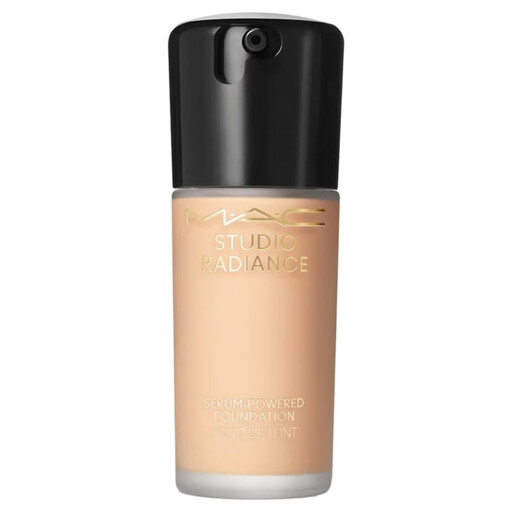
Why this suits this profile: Its formula, enriched with hydrating ingredients, and its luminous finish will suit those who don’t like overly matte foundations.
The description specifies the buildable medium coverage and luminous finish, so you know what to expect before buying.
Formula with hyaluronic acid, olive oil and jojoba oil, with claimed resistance to water, sweat and transfer.
We’ve put together a comprehensive list, updated in real time, of products that meet these strict selection criteria and European safety regulations.
Cushion formats, often called cushion foundations, are handy for touch-ups and let you build coverage gradually. Before you buy, check the available shade, the coverage level and whether you can buy a refill.
Read the ingredients list, check for any fragrance and do a patch test on a small area before applying it to your whole face. Tolerance claims on the product page can guide you, but every skin reacts differently.
Refer to the symbol showing the period after opening and the instructions on the packaging. Keep the bottle tightly closed, away from heat and direct light. If the smell, colour or texture changes, it’s best to stop using it.
For a long day, look for a long-lasting formula, buildable coverage and a finish suited to your skin type. A matte foundation can work for areas that tend to get shiny, while a hydrating or luminous formula will often be more comfortable on dry skin. The shade, however, remains the top priority for a natural result.