
Livraison le jour même ou le lendemain

Qualité garantie

Débloquez vos offres de bienvenue: Livraison GRATUITE | Jusqu'à -80 % | 30 jours d'essai gratuits à JoyPlus
Téléchargez l'application
Buying food supplements can quickly become a minefield. Between the promises of vitality, the "enhanced" formulas and the multi-month courses, it's not always easy to tell a clear composition from a simple marketing gimmick.
Three common pitfalls keep cropping up:
A food supplement is not a substitute for a varied diet or medical advice. If you are pregnant, breastfeeding, on medication or have a health condition, consult a healthcare professional before taking any supplement.
Always compare the amount per daily dose, not just the total weight of the product. For a multivitamin, look at the percentages of NRV — Nutrient Reference Values. A formula may list 13 vitamins and 10 minerals, yet the levels can vary significantly from one nutrient to another.
For example, Centrum Women's Multivitamins and Minerals provides 80 mg of vitamin C, 10 µg of vitamin D, 320 mg of calcium and 10 mg of iron per tablet. Centrum Men 50+ Multivitamins & Minerals delivers 15 µg of vitamin D, 135 mg of magnesium and 2.1 mg of iron per tablet. These differences matter far more than the simple number of ingredients printed on the box.
The name of a nutrient isn't always enough. With magnesium citrate, for instance, you need to distinguish the weight of the citrate from the amount of elemental magnesium actually provided. The WeightWorld product states 740 mg of citrate, delivering 222 mg of elemental magnesium per capsule.
For vitamin D3 K2, check the amount of D3 and the form of K2 used separately. The WeightWorld Vitamin D3 4000IU + K2 product indicates 4,000 IU of vitamin D3 and 125 µg of K2 MK-7 per tablet. Such a high dosage shouldn't be taken mindlessly, especially if you already consume vitamin D or are on medication that affects blood clotting.
A product that seems cheap to buy can actually work out more expensive if the daily dose requires several tablets or if the packaging only covers a few weeks. So compare:
For targeted needs, such as iron and folic acid, calcium, inositol or melatonin, don't choose based on price alone. The composition must first and foremost meet a clearly identified need.
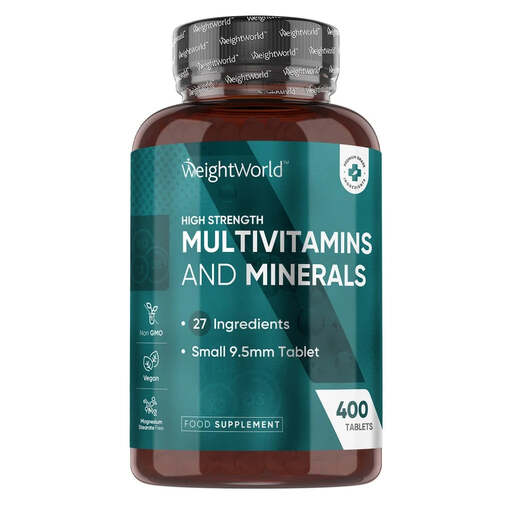
Why this choice suits this profile: A once-daily dose and a large format can work well for someone who wants to start with a general formula, without having to buy multiple bottles.
The nutrient amounts are detailed per tablet and the bottle contains 400. This makes it easier to estimate the cost per serving and avoid a purchase based solely on the number of ingredients.
27 vitamins and minerals claimed, one tablet per day, plus a vegan and gluten-free formula according to the product description.

Why this choice suits this profile: The individual liquid format is ideal for adults who prefer a ready-to-drink routine and want to incorporate marine collagen into their daily life.
The dose is clearly stated per stick: 12,500 mg of hydrolysed marine collagen in 25 ml. The levels of vitamin C, biotin and vitamin D are also specified.
30 individual sticks, 12,500 mg of marine collagen per dose and 80 mg of vitamin C per stick.
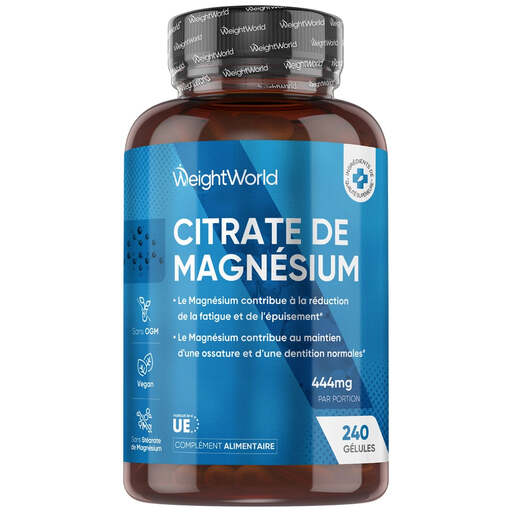
Why this choice suits this profile: The 240-capsule format is suitable for people looking for a targeted formula who want to avoid having to reorder too often.
The product page distinguishes magnesium citrate from elemental magnesium, with 222 mg of elemental magnesium per capsule. This clarity allows for a meaningful comparison between products.
240 capsules, one capsule per day recommended, and a vegan formula free from gluten and lactose according to the description.
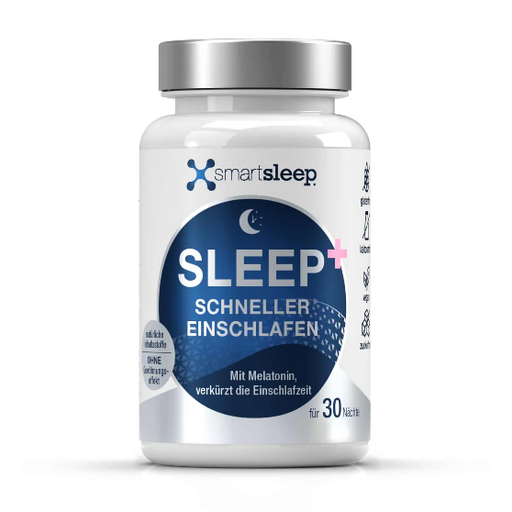
Why this choice suits this profile: A box of 30 capsules can work well for an occasional evening routine, particularly if you have irregular hours or are travelling.
The formula clearly states 1 mg of melatonin per capsule, along with the amounts of magnesium, ashwagandha, lemon balm and passion flower. The recommendation is to take one capsule approximately 30 minutes before bedtime.
A vegan format, manufactured in Germany according to the label, and 30 easy-to-assess servings.
Other searches might lead you towards milk thistle, inositol, organic spirulina, a menopause supplement, a prostate supplement or a "testosterone booster". In these categories, carefully examine the standardised extracts, allergens, possible interactions and authorised claims. The presence of zinc alone is not enough to demonstrate a particular hormonal effect.
We've put together a comprehensive, real-time updated list of products that fully meet these strict selection criteria and European safety regulations.
It's possible in some cases, but you need to compare the labels to spot any overlaps. Vitamin D, magnesium, iron, zinc and vitamin B6 can appear in several formulas. Take the total daily dose into account and consult a healthcare professional if you are on medication.
The duration depends on the product, the dose and your goal. Some formats cover 30 days, others six to twelve months. Follow the dose stated on the packaging and regularly reassess whether the course is still beneficial, rather than automatically extending it.
Tablets and capsules are generally easy to store and dose. Liquid formats, such as marine collagen shots, can simplify taking supplements for people who prefer not to swallow several tablets. However, do check the sugar content, allergens, preservatives and storage conditions.