
当日/次日达

品质保障

开启新人专享福利: 全场免邮 | 低至 2 折 | 免费试用 30 天 JoyPlus 会员
下载 Joybuy
Between family-sized packs, freshness claims and technical terms that can be hard to decipher, buying everyday products can quickly add up. Sweets, drinks, hygiene items, cleaning products or frozen Asian foods: the right choice depends above all on how you plan to use them, their ingredients and their packaging.
A pack of 24 bottles or a box of 150 sweets might look like a bargain. But you also need to consider how much your household will actually use, the storage space you have and the best-before date. Stocking up on peppermint sweets, fruity drinks or cleaning products only makes sense if you use them regularly.
Phrases like "long-lasting freshness", "complete action" or "high protection" don't mean much out of context. Instead, look at the volume, the number of units, the ingredients, how to use the product and any safety precautions. For a laundry disinfectant or a toilet gel, the instructions and dosage are far more important than a catchy slogan.
A product designed for your skin isn't chosen the same way as a bathroom cleaner. Intimate wipes are for external use only and must never be flushed down the toilet. A toilet block can also contain irritating substances. When it comes to food, a frozen product must be kept at −18 °C or below and must not be refrozen after defrosting.
For food, compare the list of ingredients, allergens and nutritional values. Tic Tac mint sweets contain sugar and peppermint oil, while some Ricola pastilles are sugar-free and contain sweeteners. This difference can guide your choice depending on your habits, without turning the label into a health promise.
For drinks, make sure you distinguish between a flavoured drink and a juice. Tropicana Pure Pressed apple juice lists apple juice and ascorbic acid as ingredients, with naturally occurring sugars. In contrast, a fruity drink like Capri-Sun Tropical contains water, juices from concentrate and sugar. So the comparison should be about the recipe, not just the flavour on the front.
A 750 ml bottle might be fine for regular cleaning, but you still need to keep an eye on storage conditions. Household products should be kept out of reach of children, in a well-ventilated area and away from food. Never mix a limescale spray, a toilet gel or a disinfectant with bleach or another cleaner.
In the kitchen, the 200 g size of frozen tofu fish is ideal for a one-off meal or a fondue. It contains fish, egg and soya: check these allergens before buying. The packaging also recommends cooking it all the way through.
A face sunscreen with SPF50+ should be applied generously before sun exposure and reapplied after swimming, towel drying or heavy sweating. The BEAUTY OF JOSEON Relief Sun Aqua-Fresh Rice + B5 SPF50+ 50 ml has a lightweight texture, enriched with rice water and panthenol. It may suit people who prefer a non-greasy lotion, provided they check it's suitable for their skin.
In the toilet, a gel and a block don't have exactly the same function. The gel is applied during manual cleaning; the block sits in the cistern and releases its agents with each flush. Products that are compatible with septic tanks should be clearly labelled as such.
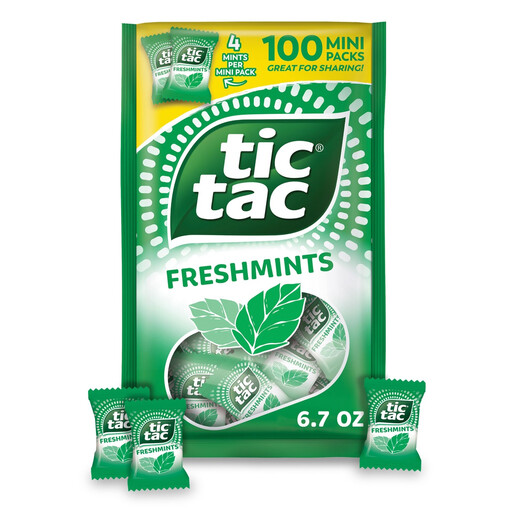
Why this choice suits this profile: With 100 pastilles, this handy box slips easily into a bag and is ideal for regular snacking or sharing, without any special storage requirements.
The number of pastilles is clearly stated: you can work out the price per unit instead of just relying on the pack size.
T100 format, 49 g, flip-top lid and contains peppermint oil.
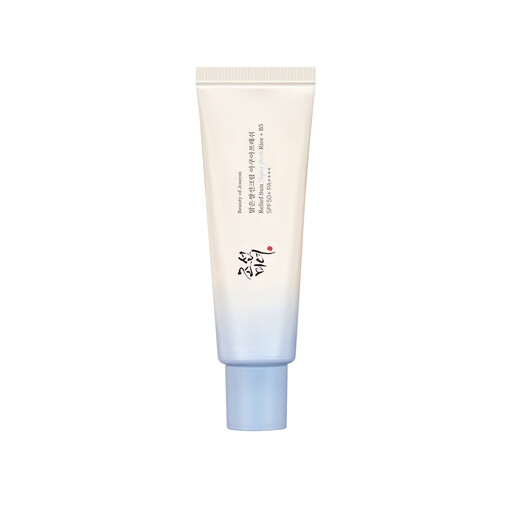
Why this choice suits this profile: Its lotion texture and SPF50+ PA++++ protection are designed for people who want to incorporate a face sunscreen into their daily routine.
The product page lists the 50 ml volume, external use only and reapplication instructions: far more useful than a simple promise of an invisible finish.
SPF50+ PA++++, rice seed water, panthenol and a reportedly lightweight texture.
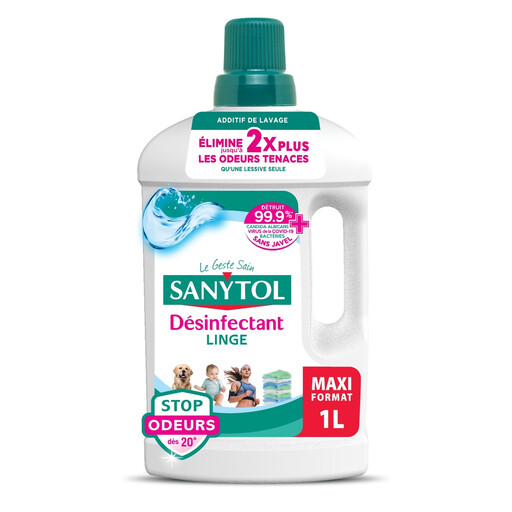
Why this choice suits this profile: The one-litre size is ideal for households that do lots of laundry and want to tackle stubborn odours by following the instructions.
The dosage is clearly stated: around 100 ml, or two caps, in the designated compartment. The product should not be poured directly onto clothes.
Can be used from 20 °C and contains biocidal substances as stated on the product page.
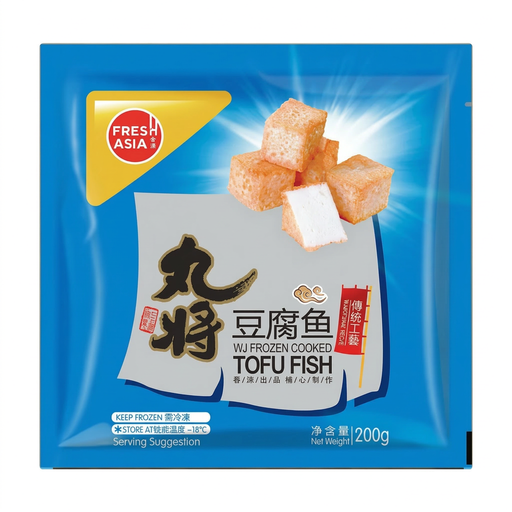
Why this choice suits this profile: This ready-to-cook format is perfect for a Chinese fondue, a soup or a stir-fry without any lengthy preparation.
The product page clearly states it contains fish, egg and soya, and must be stored at −18 °C or below: two details that are easy to overlook when buying frozen food.
200 g, cooks in 3 to 4 minutes and a core temperature above 70 °C is recommended.
We've put together a comprehensive, real-time list of products that meet these strict selection criteria and European safety standards.
Depending on your needs, you might also want to compare:
Work out the price per unit, per litre or per kilogram, then compare it with the amount you actually use. Multi-packs can be good value for stable products you use regularly, like drinks or sweets. For something you only use occasionally, a smaller size stops your cupboards from getting cluttered.
The shelf life varies depending on the product and the information on the packaging. Keep bottles tightly closed, away from heat, and follow the date or the manufacturer's instructions. If the product's appearance or smell has changed, don't use it without checking its condition first.
They are designed for external use, either occasionally or regularly, depending on the instructions on the leaflet. They don't replace washing with water and should be stopped if irritation occurs. Never flush them down the toilet, even if they are marketed as convenient.