
Same-day & Next-day Delivery

Quality Guaranteed

Unlock Your Welcome Offers: FREE Delivery | Up to 80% OFF | Free 30-day JoyPlus trial
Download the APP
Everyday paper products serve a wide range of needs: hygiene, cleaning, meals, drawing, organisation and printing. But a generous pack size or an eco-friendly promise alone isn't enough to make the right choice.
When it comes to buying, three common pitfalls keep cropping up:
For hygiene products, start by comparing the total number of sheets, rather than just the number of boxes or rolls. A large-format tissue can be handy at home or in the office, while a compact size will slip more easily into your bag.
The number of plies affects comfort, absorbency and strength. For toilet paper, look for 2-ply or 3-ply details, the number of sheets per roll and the perforation – these help you compare packs more objectively. Even when a product is labelled as flushable, it's best to follow the manufacturer's recommendations and avoid flushing large amounts at once to reduce the risk of blockages.
Virgin cellulose, recycled paper, cotton or sugar cane fibre – these materials offer different feels and levels of strength. For kitchen roll, check its wet strength, the number of sheets per roll and whether it's suitable for the surfaces you need to clean.
If you have young children or you're looking for something particularly gentle on the skin, pay close attention to the composition, whether it's fragrance-free and any warnings on the product page. If irritation or discomfort occurs, stop using it and seek advice from a healthcare professional if needed – a product page is no substitute for medical advice.
For compostable paper plates, the term "compostable" should be understood in light of the manufacturer's conditions and your local recycling guidelines. Oil resistance, the number of compartments and the dimensions also matter, whether you're planning a buffet, a takeaway meal or a party.
Grammage is crucial for artist paper and watercolour paper. A thicker paper generally handles layering, moisture and corrections better. On the flip side, it takes up more space and often costs more.
For wet techniques, choose paper designed for watercolour, gouache or ink. The grain directly affects the finish: a fine texture makes detail work easier, while a more pronounced grain adds depth. If you're planning large washes, fixing or stretching the sheet will help prevent warping.
Users of self-adhesive thermal paper should check its compatibility with their printer, the roll width, the type of adhesive and the stated resistance to water or oil. To keep prints looking good for longer, store them away from heat, moisture and direct light.
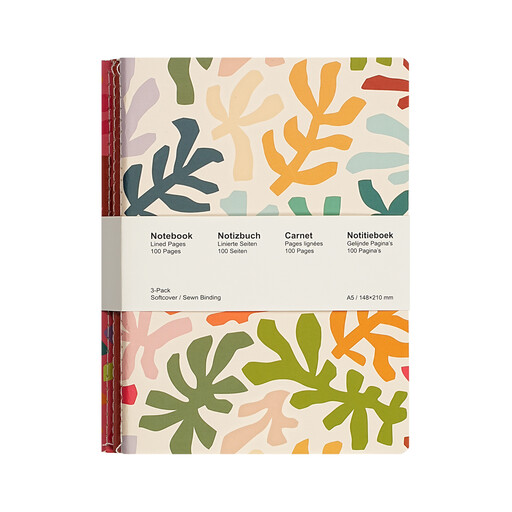
Why this choice suits this profile: This pack of three A5 notebooks is ideal for students, families and anyone who wants to keep personal notes, coursework and work tasks separate.
The three-pack means you won't run out of paper, without having to buy several different notebooks separately.
A5 size, 50 sheets per notebook, 80 g cream offset paper and stitched binding that allows the notebook to lie completely flat.
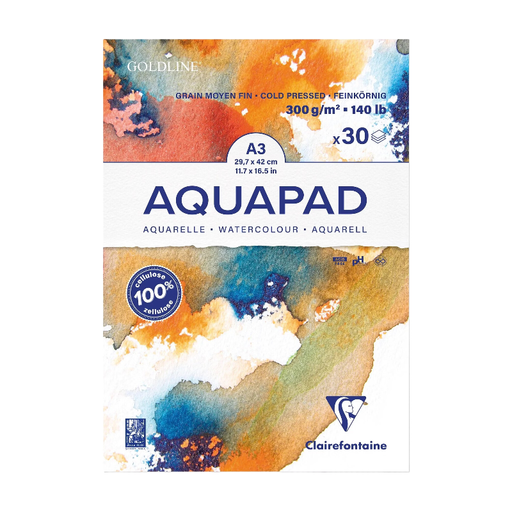
Why this choice suits this profile: This pad is designed for artists who want to work with watercolour, gouache or fluid inks on a large sheet.
With its 300 g grammage and double glue binding, it's far better suited to wet techniques than standard office paper.
A3 size, 30 sheets, white natural cellulose, medium to fine grain, acid-free paper and vegan composition as stated by the manufacturer.
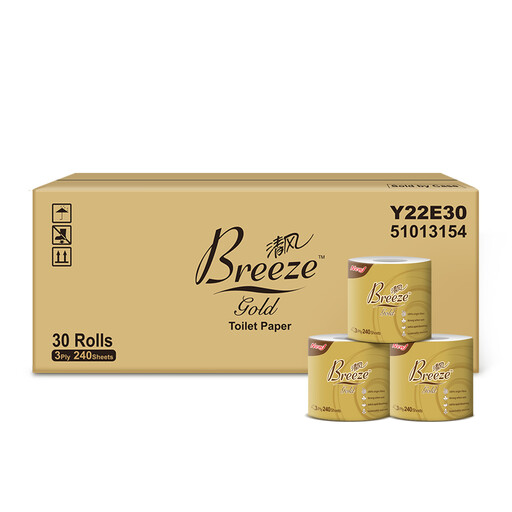
Why this choice suits this profile: With 12 rolls, this pack is ideal for large families, second homes or anyone who likes to keep a good stock in.
The number of sheets and plies is clearly stated, making it easy to compare this pack with other options.
3-ply paper, 240 sheets per roll and fast water dissolution as stated. It is recommended to use it in small amounts.
We've put together a comprehensive, real-time updated selection of products that meet these exacting criteria and European safety standards.
Keep them in a cool, dry place away from heat sources. Tissues, toilet paper and kitchen roll should stay in their packaging until you're ready to use them. For notebooks and artist paper, storing them flat helps prevent warping.
No. Facial tissues and kitchen roll should generally go in the household waste, following your local guidelines. Even when toilet paper is labelled as flushable, it's best to use small amounts and take your plumbing system into account.
Compare the price per sheet, the grammage and the total quantity, rather than just the pack price. A bulk pack can be good value if you have enough storage space and you use it regularly. For creative activities, choosing the right paper from the start also helps cut down on sheets wasted during practice.