
Livraison le jour même ou le lendemain

Qualité garantie

Débloquez vos offres de bienvenue: Livraison GRATUITE | Jusqu'à -80 % | 30 jours d'essai gratuits à JoyPlus
Téléchargez l'application
Between no-added-sugar compotes, fruit purées, fruity preparations and jams, the shelves are packed with recipes and formats that vary enormously. Whether you’re feeding a family, a young child or you’re a keen baker, the choice goes far beyond the flavour splashed across the packaging.
Some labels can also be confusing. Here are the key things to check before buying a compote or fruit preparation.
A compote with no added sugar typically contains the sugars naturally present in the fruit. That doesn’t mean it’s sugar-free. To get a clear picture, check the nutritional table and carefully distinguish the “carbohydrates, of which sugars” line from the ingredients list.
Also look out for any sugar, syrup, concentrated juice or added fruit sugars. A recipe might, for example, contain no refined sugar while still including sugars from the fruit itself.
A generous picture of mango, peach or berries tells you nothing about the actual proportion in the recipe. The ingredients list and the quantity stated for each fruit will reveal how much of each is really in there.
A mango purée, an apple-pear preparation or an apple-mango compote can offer very different textures and flavour profiles depending on the amount of fruit used, and whether juice, fibre or gelling agents have been added.
Pouch formats are ideal for on-the-go snacks, but once opened, a pouch usually needs to be kept in the fridge and eaten quickly. Glass jars or family-size formats are more practical for breakfast, desserts and baking – as long as you plan ahead for storage after opening.
Always refer to the instructions on the packaging of the product you receive, especially regarding storage temperature and how long it keeps once opened.
To avoid unnecessary ingredients, start by reading the ingredients list. A short, easy-to-understand recipe makes it quicker to compare products. The term “additive” covers quite different functions: citric acid regulates acidity, pectin thickens the preparation, and ascorbic acid limits oxidation.
The origin of the fruit is also worth your attention. Some products highlight French fruit, such as apples from French orchards or apricots from France. Others use imported tropical fruit, which is perfectly logical for mango pulp or an exotic preparation.
For a child, check the age recommendation on the product. An organic baby compote intended from 4 months is not the same choice as a snack for the whole family. Follow the instructions on the label and ask a healthcare professional for advice on introducing foods to infants.
A pack of 90 g pouches slips easily into a bag and cuts down on waste when each portion is eaten separately. A 300 to 560 g jar is better suited to a family or for use in cooking. An 850 g tin of mango pulp can be great for making several smoothies, desserts or lassis – provided you can use it up quickly after opening.
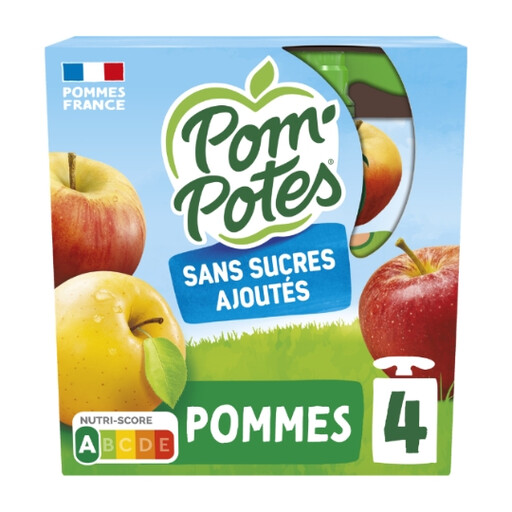
Why this suits this profile: This pack of four 90 g pouches is a simple way to discover the on-the-go format, whether at home or out and about.
The listing states 99.7% apples, with no added sugar, preservatives, colourings or artificial flavourings.
Apples of French origin, a 90 g portion and keeps in the fridge for 24 hours after opening.
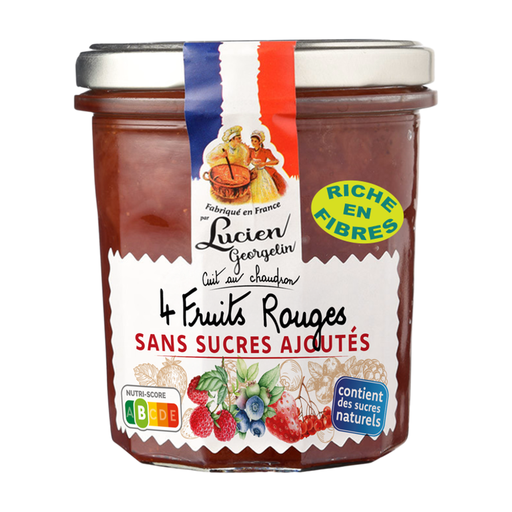
Why this suits this profile: This preparation combines strawberry, raspberry, redcurrant and blackcurrant to accompany toast, yoghurt, ice cream and baked goods.
The listing details the four fruits and states that the preparation contains only naturally occurring sugars, with no added sugar.
A clearly identified fruity blend, soluble fibre of French origin and a 320 g format that’s handy for recipes.
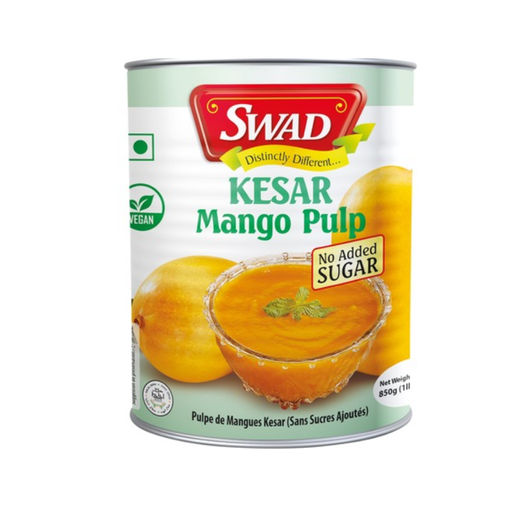
Why this suits this profile: This large format meets the needs of those who regularly prepare desserts, drinks or mango-based recipes.
The ingredients state 99.9% Kesar mangoes and no added sugar. The citric acid here acts as an acidity regulator.
An 850 g format, a vegan recipe and many possible uses: smoothies, lassis, desserts or sauces.
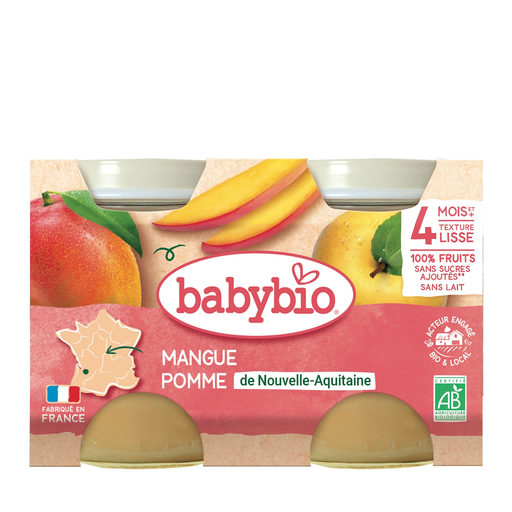
Why this suits this profile: These two 130 g pots are designed for weaning from 4 months, in line with the manufacturer’s recommendations.
The label states 100% fruit, with no added sugar, no milk and no gluten. The recommended age and storage instructions after opening are clearly shown.
Apples from Nouvelle-Aquitaine, mango, organic ingredients and keeps in the fridge for 48 hours if the pot isn’t finished straight away.
We’ve put together a complete, real-time updated selection of products that meet these exacting criteria, in line with European safety regulations.
Yes. Fruit naturally contains sugars. The “no added sugar” claim means the recipe doesn’t contain any added sugar as defined by the labelling regulations. The nutritional table may therefore show a quantity of naturally occurring sugars.
It depends on the product and its packaging. The products featured here often recommend keeping them in the fridge for 24 to 48 hours for pouches or baby pots, and up to 10 days for certain jarred preparations. The instructions on the packaging are the ones to follow.
A thick fruit preparation or mango pulp is generally better than a very runny compote. For a tart, a layered dessert, a yoghurt or a fruity dessert, compare the texture, the proportion of fruit, the presence of pectin and the amount of sugar so you can adapt the recipe accordingly.