
Livraison le jour même ou le lendemain

Qualité garantie

Débloquez vos offres de bienvenue: Livraison GRATUITE | Jusqu'à -80 % | 30 jours d'essai gratuits à JoyPlus
Téléchargez l'application
Buying coffee beans means you can grind only what you need, just before extraction. But the choice goes far beyond a brand or a promise of intensity. The blend, roast level, packaging and compatibility with your machine all directly affect what ends up in your cup.
To avoid any unpleasant surprises, here are the key criteria to check before you order, along with a selection tailored to different drinking profiles.
A label like “intensity 9/13” or “intensity 12/13” usually describes the flavour profile defined by the brand: aromatic strength, bitterness, body or mouthfeel. It is not a universal measure of caffeine content.
An intense coffee bean is often associated with a darker roast or a high proportion of Robusta, but every blend has its own characteristics. For a smoother, more nuanced cup, a 100% Arabica coffee with a medium roast can be a better choice.
A 1 kg bag of coffee beans can be ideal for a household that makes several drinks a day, an office or a catering business. However, if your consumption is more modest, the bag may stay open for too long.
Once opened, air, moisture, heat and light all speed up the loss of aroma. A 250 g to 500 g pack is often more practical if you like to vary the origins and keep your coffee fresher for longer.
The term Italian coffee beans primarily refers to a tradition of roasting and to espresso profiles that are often full-bodied. It does not guarantee the composition of the blend, its freshness or its compatibility with your brewing method.
Take the time to check the proportion of Arabica and Robusta, the roast level, the pack weight and the storage recommendations.
Arabica coffee is generally prized for its finer aromas and more noticeable acidity. An Arabica Robusta blend often delivers more body and a richer crema, especially when making espresso.
With a bean-to-cup machine, a balanced blend can be particularly versatile if you also make cappuccinos or milky coffees. For a more aromatic espresso or filter coffee, a 100% Arabica coffee will usually be a better fit.
A medium roast generally keeps a clearer flavour profile, with fruity, floral or caramel notes. A darker roast brings out more roasted, spicy or chocolatey notes.
The stated intensity only makes sense when you compare products from the same range, because the scales vary from brand to brand. If you are looking for a versatile coffee, also take a look at our selection of medium roast coffee beans.
When present, a one-way degassing valve helps preserve the aromas of the packaged coffee. However, it does not replace proper storage after opening.
When preparing freshly ground coffee beans, adjust the grind to your brewing method: fine for espresso, medium-fine for a moka pot, medium for filter and coarser for a cafetière. Always follow your machine manufacturer’s recommendations first.
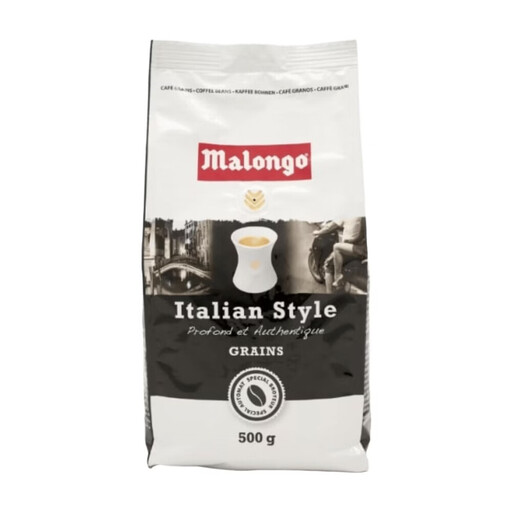
Why this choice suits this profile: At 500 g, this pack lets you discover a blend inspired by Italian espresso without committing to a huge stock. It can be used with an espresso machine, a moka pot, a filter coffee maker or a cafetière.
The resealable bag limits exposure to air after opening. Its versatility also means you don’t need to buy different coffees for different brewing methods.
Arabica-Robusta blend, 500 g format and grind recommendations for several brewing methods.
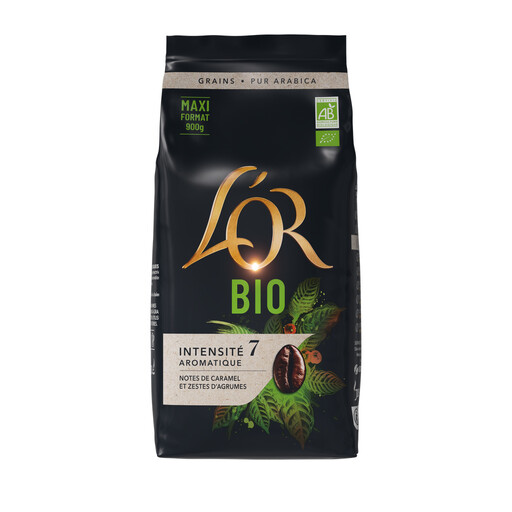
Why this choice suits this profile: This organic whole bean coffee is made from 100% Arabica and has an intensity of 7. Its profile, marked by notes of caramel and citrus, should appeal to lovers of aromatic, well-balanced cups.
The 100% Arabica composition and the organic certification shown on the product page give you concrete criteria to rely on, rather than just a marketing promise.
900 g of beans, 100% Arabica and an integrated valve to preserve the aromas.
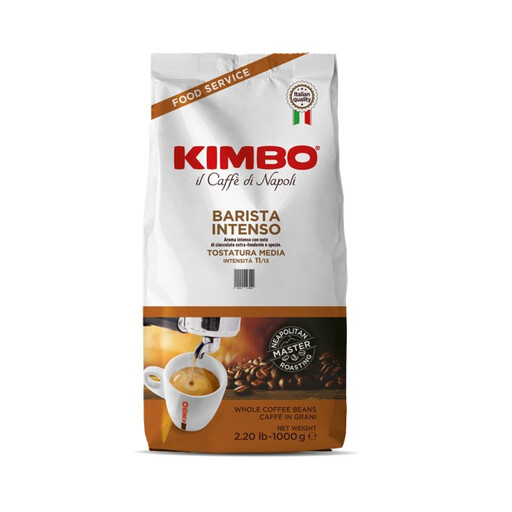
Why this choice suits this profile: The 1 kg format is ideal for offices, hotels, cafés and households that regularly make espressos. This Arabica-Robusta blend has an intensity of 12/13 and spicy notes.
The intensity, composition and weight are clearly stated, making it easy to compare with the needs of a high-consumption setting.
Roasted in Italy, one-way valve and stated compatibility with espresso, café crème and milky drinks.
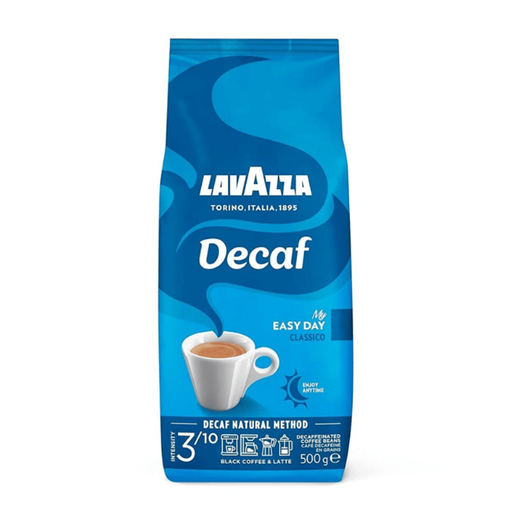
Why this choice suits this profile: This decaffeinated whole bean coffee is for those who still want to make an espresso in the evening. It has a medium roast, notes of chocolate and almond, and a persistent crema.
The “decaf” label is clearly linked to the format and espresso use, without presenting the product as a particularly strong regular coffee.
500 g format and stated compatibility with bean-to-cup machines and espresso machines.
We have put together a comprehensive, regularly updated selection of products that meet these criteria, while complying with European safety regulations.
Choose beans whose roast and composition match your taste, then adjust the grind and dose using your machine’s settings. An Arabica-Robusta blend often works well for milky drinks and full-bodied espressos, while a 100% Arabica coffee will bring out the aromatic nuances more.
The shelf life depends on the packaging, storage conditions and how quickly you use it. To preserve the aromas, reseal the bag after each use and keep it away from moisture, heat and light. If you only make a few coffees, a smaller pack will usually be more suitable.
It all depends on the price per kilo, the dose per cup and the type of machine you use. Whole bean coffee requires a machine with a grinder or a separate grinder, but it lets you measure the exact amount and adjust the grind for each method. Compare the price per kilo, the pack weight and your daily consumption rather than just the price on the label.