
Livraison le jour même ou le lendemain

Qualité garantie

Débloquez vos offres de bienvenue: Livraison GRATUITE | Jusqu'à -80 % | 30 jours d'essai gratuits à JoyPlus
Téléchargez l'application
Protein powder, whey, protein bars and weight-management supplements: there is no shortage of sports nutrition products. The problem is that marketing claims do not always make it easy to compare products on a sound basis. To avoid unnecessary purchases, focus on three things: the ingredients, the portion you actually consume and the product’s place in your diet.
A 500 g pouch does not necessarily contain 500 g of protein. It all depends on the recipe. Whey generally provides between 74 and 79 g of protein per 100 g, while a protein bar most often provides 10 to 20 g per bar.
The best approach is to check the nutrition table per 100 g and per serving. This dual comparison makes it easier to assess a powder, bar or protein snack accurately, without being swayed by the packaging weight alone.
Supplements marketed as fat burners — whether they contain caffeine, raspberry ketones, forskolin or CLA — are no substitute for a varied diet or regular physical activity. A label may state a precise quantity of ingredients without guaranteeing results for every user.
Check for any stimulants, the recommended daily dose and the warnings. If you are taking medication, are pregnant or breastfeeding, or have a health condition, seek advice from a healthcare professional before taking any supplement.
Whey protein is generally made from milk. Some bars also contain soya, peanuts, nuts or collagen. Meanwhile, “no added sugar” recipes may use polyols such as maltitol, which can sometimes be difficult to digest when consumed in large quantities.
The ingredients list is therefore essential, even when the product is only consumed occasionally.
After a weight-training or fitness session, compare the amount of protein the product actually provides. As a guide, the products featured here provide around 22 to 24 g per serving of powder, compared with 14 to 20 g per bar.
As part of a suitable diet and resistance-training programme, protein contributes to the maintenance and development of muscle mass. However, it cannot make up for insufficient calorie intake, a lack of sleep or a poorly structured training programme.
A powder providing 22 to 24 g of protein for around 113 to 128 kcal can easily fit into a snack. A bar containing 189 or 220 kcal is more like a complete snack. If you are watching your weight, always compare your total daily intake: a product labelled “high-protein” can still be high in calories.
Texture and ease of preparation also matter in everyday life. A serving mixed with 180 to 300 ml of water will be more convenient after training than a product requiring several ingredients and a longer preparation time.
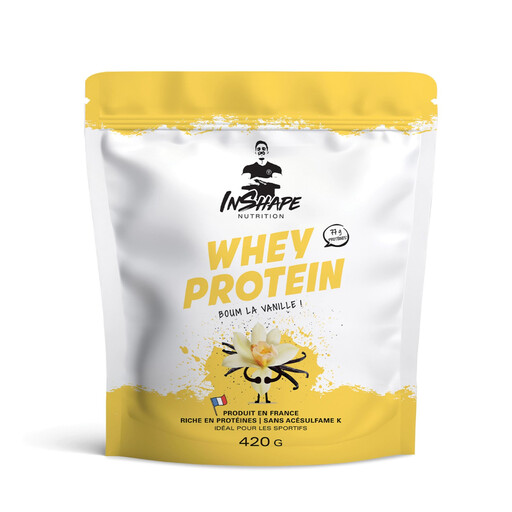
Why it suits this profile : At 420 g, this size is a good way to try whey without committing to a large tub straight away. A 30 g serving provides 23.1 g of protein.
The nutrition table details the serving size, calories, sugars and fat, allowing for an objective comparison.
23.1 g of protein, 120 kcal and 2.6 g of sugars per serving according to the product information. Contains milk.
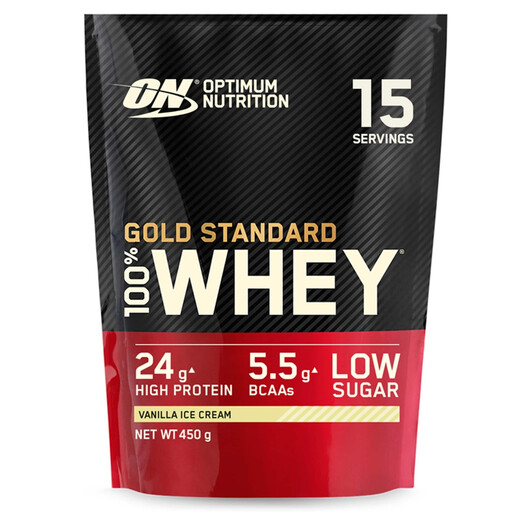
Why it suits this profile : This formula is designed for regular trainers looking for a consistent serving and a blend of whey proteins.
The product information specifies the proportions of whey isolate, whey concentrate and hydrolysed whey, rather than relying on a vague promise.
24 g of protein and 119 kcal per serving of approximately 30 g. Contains milk and soya.
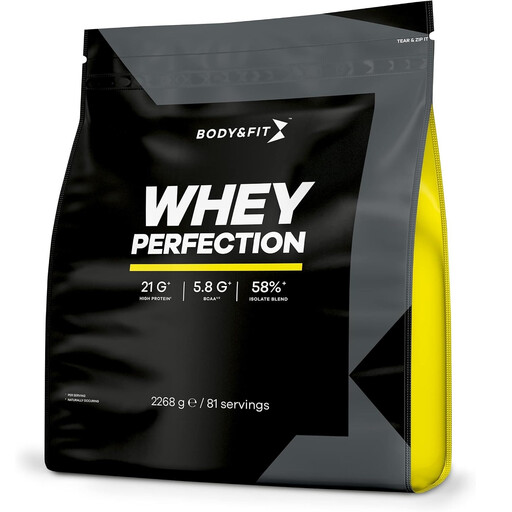
Why it suits this profile : With around 81 servings, this large pack is suitable for regular users who want to space out their restocks.
The stated maximum is three servings per day, a useful detail that helps prevent taking more servings than necessary.
22 g of protein and 100 kcal per 28 g serving. The formula contains milk and soya.
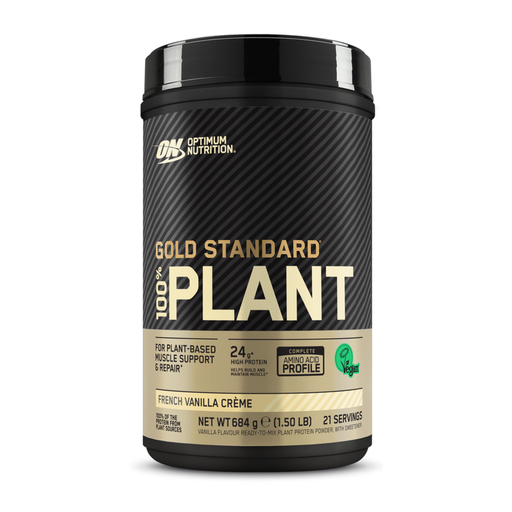
Why it suits this profile : Its combination of pea and rice proteins is suitable for people avoiding dairy products and looking for a plant-based alternative.
The plant-based source is clearly stated. However, check the packaging for potential allergens before buying.
24 g of protein for 128 kcal per 32 g serving. The product information presents it as suitable for vegetarian and vegan lifestyles.
We have brought together a complete, real-time updated selection of products that meet these exacting criteria and European safety requirements.
Whey can be consumed after training, at breakfast or between meals, depending on your needs. The exact timing matters less than your total daily intake, the consistency of your training sessions and the overall balance of your diet. Follow the serving recommendation on the packaging.
Not necessarily. A bar can be a convenient option when you are travelling or after a workout. However, check its calorie, fibre, fat, sugar and polyol content. It may not contain all the nutrients you would expect from a complete meal.
Follow the date shown on the packaging and the recommended storage conditions. Seal pouches and tubs of powder carefully, then store them in a cool, dry place away from light. Bars are generally best kept at room temperature, away from moisture and heat. Once opened, follow the manufacturer’s specific instructions.