
Livraison le jour même ou le lendemain

Qualité garantie

Débloquez vos offres de bienvenue: Livraison GRATUITE | Jusqu'à -80 % | 30 jours d'essai gratuits à JoyPlus
Téléchargez l'application
Do you rarely eat sardines, mackerel or herring, but would like to increase your omega 3 intake? From fish oil capsules and krill oil to vegan formulas and “omega 3-6-9” blends, comparing products is not always as straightforward as it may seem. These products do not necessarily provide the same fatty acids.
Before buying an omega 3 food supplement, watch out for three common pitfalls:
The term “omega 3” covers several fatty acids. In fish oils, the two most sought-after are:
Vegetable oils, such as rapeseed oil, mainly provide ALA, or alpha-linolenic acid. ALA is indeed an omega 3, but it cannot be directly compared with EPA and DHA in a nutritional table.
When comparing two supplements, check the amount of EPA and DHA provided by the daily dose, rather than looking only at the total weight of the oil. As a regulatory reference, the claim relating to the normal function of the heart is based on a daily intake of 250 mg of EPA and DHA, under the conditions laid down by regulations. This does not replace a varied diet or advice from a healthcare professional.
A concentrated formula can reduce the number of capsules you need to take each day. Conversely, a less concentrated oil may require several capsules to reach a comparable amount. Always check:
Omega 3 capsules are convenient for regular use, but some people prefer a liquid oil to add to meals. Taking it with a meal may also be more comfortable if you want to reduce reflux or the marine taste.
Fish oil contains fish, unsurprisingly, while the capsule may be made from gelatin. Krill oil contains shellfish and is therefore unsuitable for people with allergies. For an alternative free from fish and krill, choose a vegan formula made with algae oil.
Storage also plays an important role. Keep the bottle tightly closed and away from heat, light and moisture. For cooking oils, follow the instructions on the label and avoid leaving the bottle open near a heat source.

Why this product suits this profile : With one capsule recommended per day and a bottle containing 400 capsules, this formula is ideal for anyone who wants to get started simply, without having to restock too often.
The product information clearly distinguishes between 1,000 mg of fish oil and 300 mg of omega 3, including 180 mg of EPA and 120 mg of DHA. This means you can compare precise data, rather than relying solely on the total weight of the oil.
400 capsules, 300 mg of omega 3 per capsule and a formula advertised as lactose- and gluten-free.

Why this product suits this profile : This formula is designed for adults looking for a high concentration per dose and detailed information about its composition and traceability.
The product information lists the amount of fish oil, omega 3, EPA and DHA separately, while also specifying a maximum dose of three capsules per day.
240 capsules, deodorised oil, vitamin E and fish gelatin capsules. Please note: this product is not vegan.
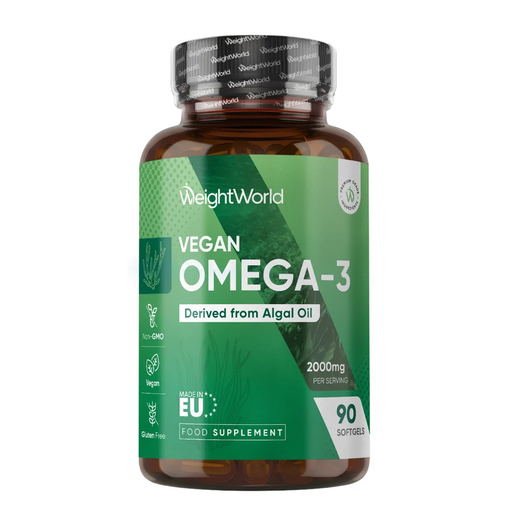
Why this product suits this profile : Vegans and anyone avoiding seafood can choose this algae oil-based formula, with a recommended daily dose of two capsules.
The label specifies that this is algae oil and lists 600 mg of DHA and 300 mg of EPA per dose, rather than relying solely on the word “vegan”.
A fish- and krill-free source, 90 capsules and a formula advertised as free from gluten and major allergens.

Why this product suits this profile : Cooking oil is easy to include in dressings and some cooking methods, without adding another supplement to your routine.
The composition is clearly stated: 100% rapeseed oil. This is therefore not an omega 3-6-9 blend, whose proportions can sometimes be less transparent.
A 1 L format, a stated French origin and versatile use both in dressings and cooking.
We have brought together a complete, real-time updated selection of products that meet these selection criteria and European safety requirements.
Not necessarily. A varied diet can already provide omega 3, particularly through oily fish. However, a food supplement may be worth considering if these foods rarely feature on your menu. In that case, compare the amount of EPA and DHA with your usual diet and do not exceed the dose stated on the packaging.
Fish oil generally provides EPA and DHA, but contains fish, an allergen that must be taken into account. Krill oil is extracted from small shellfish, so it is unsuitable for people with shellfish allergies and vegans. Algae oil is a plant-based source of DHA and, depending on the formula, may also provide EPA. In all cases, check the product’s exact composition.
Follow the date shown on the packaging and the storage conditions recommended by the manufacturer. Once opened, keep the bottle tightly closed and away from heat and light. An unusual smell or taste should prompt you not to consume the product. For children, the minimum age and dosage must be followed carefully; if in doubt, ask a healthcare professional for advice.