
Livraison le jour même ou le lendemain

Qualité garantie

Débloquez vos offres de bienvenue: Livraison GRATUITE | Jusqu'à -80 % | 30 jours d'essai gratuits à JoyPlus
Téléchargez l'application
Visible flakes, itching, greasy roots or a dry feeling: choosing an anti-dandruff shampoo is not simply a matter of comparing the claims displayed on the bottle. The texture, active ingredient, format and scalp tolerance all directly affect your everyday comfort.
To avoid making an unsuitable purchase, it is worth keeping three common pitfalls in mind.
An oily scalp may require a cleansing formula better suited to excess sebum. Conversely, a dry or sensitive scalp needs particular attention to the gentleness of the formula and the presence of conditioning agents.
For the whole family, a classic anti-dandruff shampoo can be incorporated into a regular routine if its ingredients are well tolerated. However, a feeling of tightness, redness or persistent itching should prompt you to stop using the product and seek advice from a healthcare professional.
Searches such as “anti-dandruff shampoo”, “anti-itch shampoo” or “anti-dandruff shampoo for oily hair” therefore reflect different needs. Your scalp type should guide your choice, even before the fragrance or bottle size.
Piroctone olamine is included in several anti-dandruff formulas. It can be found in particular in the Head & Shoulders and Franck Provost products offered here. Ciclopirox olamine, sometimes combined with salicylic acid, is used in Stiproxal dermatological anti-dandruff shampoos, intended for persistent problems according to the indications on the packaging.
These ingredients should not be regarded as a universal medical solution. Follow the manufacturer’s instructions and ask a pharmacist or doctor for advice if the flakes return frequently, are accompanied by significant irritation or do not improve.
If your scalp is sensitive, also check for fragrance, essential oils, menthol, preservatives and fragrance allergens. An organic or vegan formula is not automatically suitable for every sensitivity: reading the ingredients remains essential.
Formats from 100 to 330 ml are practical for trying a formula or taking it with you when travelling. A large 625 ml or one-litre bottle of anti-dandruff shampoo can reduce the need for household purchases, provided the product is used regularly by several people.
A 2-in-1 anti-dandruff shampoo can also simplify your routine, particularly if you have short hair or wash it frequently. For dry or long hair, however, a separate conditioner may provide greater comfort through the lengths. In all cases, apply the shampoo to wet hair, gently massage the scalp and rinse thoroughly.
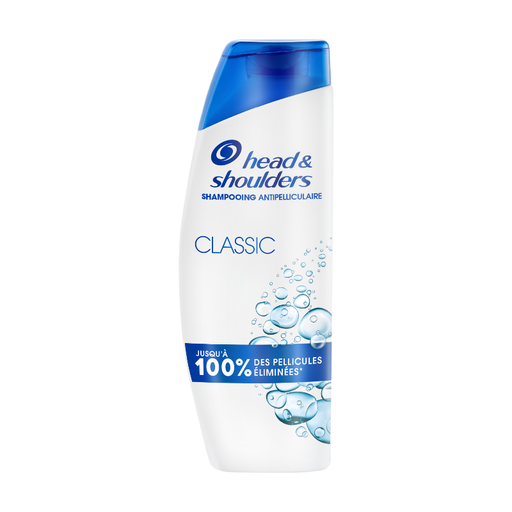
Why this choice suits this profile: Its 330 ml format lets you start a routine without committing to a large bottle. The brand presents it as a formula suitable for regular use on different hair and scalp types.
It means you do not have to commit to a large format straight away, before checking how well the formula suits you and how your scalp feels after rinsing.
330 ml format, a pH described by the brand as balanced, and a formula containing piroctone olamine according to the ingredients list provided.
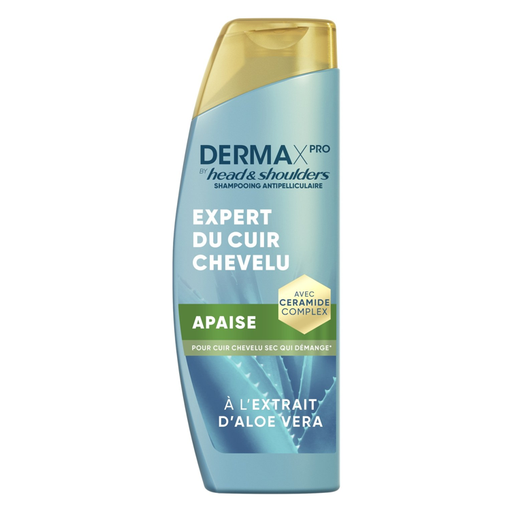
Why this choice suits this profile: This formula targets dry scalps prone to itching and dandruff. According to the product information, it combines aloe vera, a ceramide complex and piroctone olamine.
It does not rely solely on a cooling sensation: the product page also mentions agents designed to improve scalp comfort and hydration.
250 ml format, with aloe vera and ceramide NP in the stated ingredients.
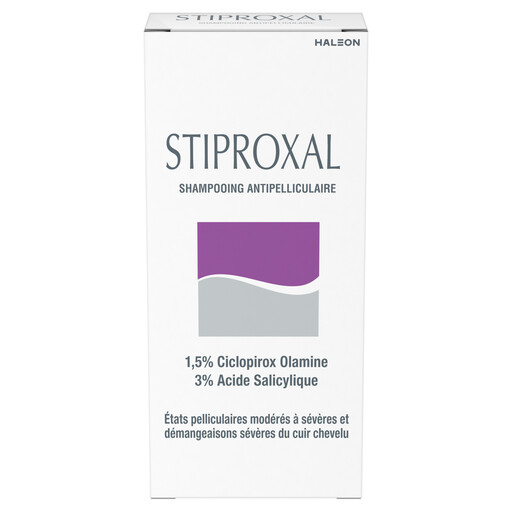
Why this choice suits this profile: Its targeted 100 ml format is suitable for use in line with the instructions on the packaging or the recommendations of a healthcare professional when dandruff is recurrent.
It distinguishes a targeted routine from an everyday maintenance shampoo, with a formula that lists ciclopirox olamine and salicylic acid.
The ingredients list provided includes ciclopirox olamine, salicylic acid, panthenol and menthol.
We have brought together a complete, real-time updated selection of products that meet these demanding criteria and European safety standards.
The duration depends on the formula and the instructions on the packaging. Follow the recommended frequency, leave the product to work for the stated amount of time if applicable, then rinse thoroughly. If the dandruff or itching persists despite using the product correctly, ask a pharmacist or doctor for advice.
Some products are described by their manufacturers as suitable for daily use, while others are intended for a more targeted routine. It therefore depends on the product’s ingredients, the condition of your scalp and your tolerance. If you experience dryness, redness or irritation, space out applications and stop using the product if necessary.
Choose a formula whose ingredients match your needs, and carefully check for fragrance, essential oils, menthol and allergens. An organic anti-dandruff shampoo is not free from potential concerns: some products contain essential oils and may come with specific recommendations. The label and INCI list remain your best points of reference.