
Livraison le jour même ou le lendemain

Qualité garantie

Débloquez vos offres de bienvenue: Livraison GRATUITE | Jusqu'à -80 % | 30 jours d'essai gratuits à JoyPlus
Téléchargez l'application
An all-purpose cleaner can make it easier to keep your kitchen, bathroom and living areas clean. However, not every product marketed as ‘universal’ meets the same needs. An effective spray for removing fingerprints will not necessarily replace a kitchen degreaser, limescale remover or cream cleaner.
Before you reach the checkout, it is best to avoid three common pitfalls: an overly vague promise, a format that does not suit how often you intend to use it, and a formula that is incompatible with the surface you want to clean.
The words ‘all surfaces’ do not mean you can ignore the directions for use. Natural stone, marble, waxed wood, screens and certain finishes can react to acidity, abrasives or moisture. A multi-surface cleaner is suitable for many washable surfaces, but it is always best to test it first on an inconspicuous area.
For surfaces that come into contact with food, also check whether rinsing is required. This instruction applies in particular to some concentrated cleaners and products containing degreasing agents.
A 1- or 2-litre container may seem more economical, but it is not always practical in a small home. Compare the volume you can actually use, whether the product can be diluted and how often you plan to use it. A concentrate may be worthwhile for a family or professional premises, while a ready-to-use spray is simpler for occasional use.
‘Natural’, ‘plant-based’ or ‘eco-friendly’ does not automatically mean that the product is suitable for every surface or can be used without precautions. Check the ingredients list, hazard pictograms and storage instructions. The European regulation on the classification, labelling and packaging of mixtures requires precise information about the risks associated with the product.
Household vinegar is generally used for removing limescale, while black soap is often used to clean and degrease different surfaces. However, these products must never be mixed randomly with other cleaners.
A ready-to-use cleaning spray helps you get the job done quickly: spray, wipe, then rinse only if the label says to. Powder or cream formulas generally require a cloth, sponge and, in some cases, rinsing.
For intensive use, look at the volume, the stated number of doses and how easy the product is to store. Refills can reduce the amount of plastic used and save you from replacing the spray bottle, but check that they are compatible with the relevant bottle.
The term ‘non-abrasive’ does not necessarily mean the same thing as a cream containing cleaning particles. In all cases, avoid rubbing glossy, painted or delicate surfaces too vigorously. To clean a screen, apply the product to the cloth, never directly to the device, in accordance with the manufacturer’s recommendations.
Also read the warnings: wear gloves if necessary, ventilate the room, keep the product out of children’s reach and follow the instructions in the event of contact with the eyes.
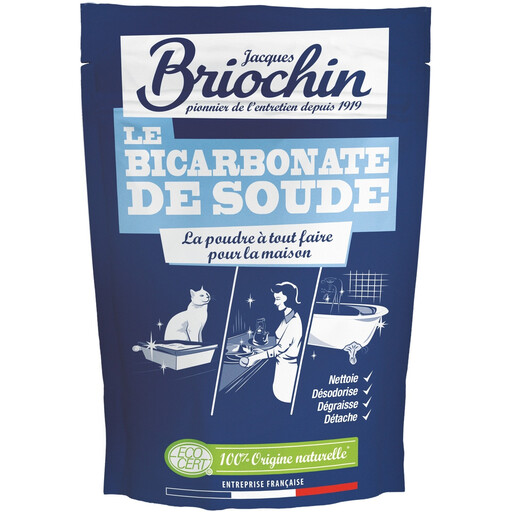
Why this choice suits this profile : The powder format can be made into a paste or solution as needed, without having to buy multiple specialist sprays.
Its flexible use helps prevent you from overdosing a ready-to-use product. Nevertheless, test the preparation on a small area and rinse if the instructions require it.
450 g of powder for cleaning, deodorising and certain household tasks.
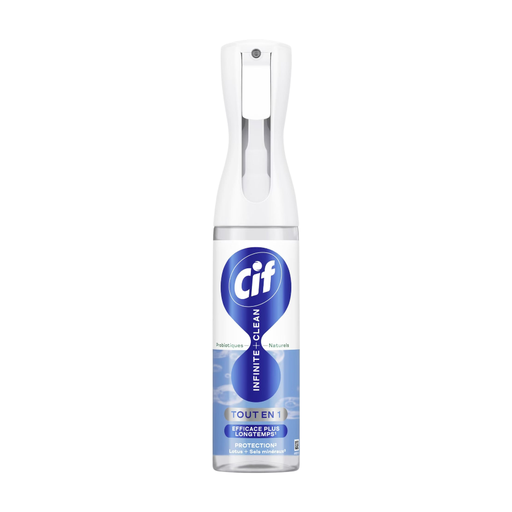
Why this choice suits this profile : This compact spray is ideal for anyone looking for a fine mist, use on several surfaces and easy storage.
The manufacturer states that it produces a fine mist and can be used on several surfaces. For electronic devices, apply the product to a cloth, never directly to the screen.
280 ml spray suitable for different surfaces according to the label, with a refill offered by the brand.
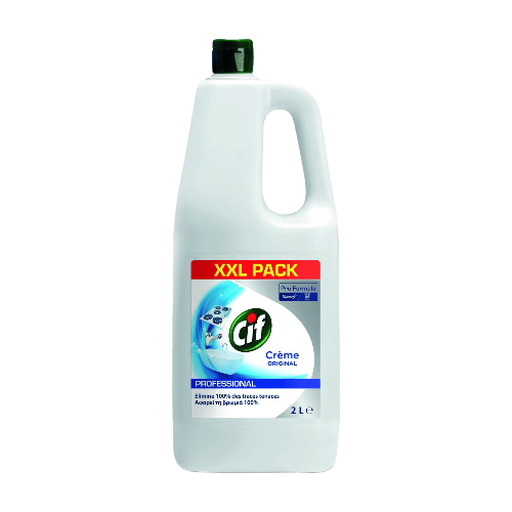
Why this choice suits this profile : The 2-litre container is suitable for busy households, offices and cleaning professionals who regularly clean washable surfaces.
This large format means you will not run out of product so quickly. However, the cream should be applied in small quantities, then rinsed or wiped with a damp cloth.
Cream formula, 2 l format, advertised as easy to rinse and designed for use on several surfaces.
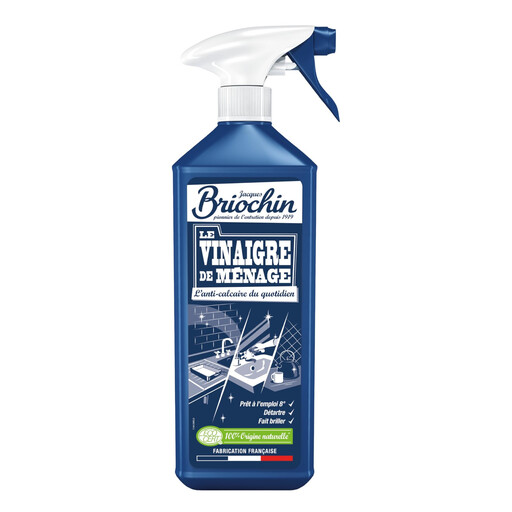
Why this choice suits this profile : Its ready-to-use spray format is suitable for everyday cleaning of sinks, taps, shower screens and other washable surfaces.
The product is presented as a vinegar cleaner that can remove limescale and leave surfaces shining. However, avoid surfaces that are sensitive to acidic products, particularly certain natural stones.
750 ml spray bottle, made in France as stated, with a formula designed for limescale removal and everyday cleaning.
We have put together a complete, regularly updated list of products that fully meet these strict selection criteria and European safety regulations.
No. Compatibility depends on the product’s composition and the finish. Check the label for approved surfaces and test the product first on an inconspicuous area, particularly when cleaning marble, wood, a screen or a painted material.
An all-purpose cleaner is designed for the everyday care of several surfaces. A limescale remover is primarily intended to tackle mineral deposits caused by hard water. A vinegar-based product may be suitable for certain limescale marks, but not necessarily for natural stone or surfaces that are sensitive to acids.
Not necessarily. Compare the price per litre, recommended dosage and number of uses. A 2-litre container may be worthwhile for professional or intensive use, while a 750 ml spray can sometimes help reduce waste in a flat. The actual cost mainly depends on the amount needed for each clean.