For a solo treat
You want a defined amount for one occasion, without opening an assorted box. This is where a single bar differs from a multipack of portions.


For a single chocolate treat, choose a bar with a clearly stated weight. A multipack of smaller portions is handy if you’re planning several breaks, while an assorted box is better if you fancy a bit of variety. Before placing your order, check the ingredients and allergens for the exact product, then make sure it’s available for your address or local shop.
You want a defined amount for one occasion, without opening an assorted box. This is where a single bar differs from a multipack of portions.
You compare the ingredients and allergens for the specific product before ordering, particularly if you need to avoid milk, nuts, soya or wheat.
You want to know how many units you’ll receive and confirm the product is available for your local shop or delivery address.
First decide whether you want a single portion, several ready-portioned treats or an assortment. Then check the ingredients and ordering options.
Choose this if: you want a bar for one treat, without opening a multipack or box.
Bear in mind: even with a smaller format, it’s important to check the ingredients and allergens.
Choose this if: you’re planning several treats and want to know how many units you’re ordering.
Bear in mind: you’ll receive several portions, not a single bar.
Choose this if: variety matters more to you than having a strictly individual portion.
Bear in mind: the ingredients and allergens may vary between the chocolates in the box.
| What to check | Details | Who is it for? |
|---|---|---|
| Portion size | The net weight and, for a multipack, the number of units and the weight of each one. | For one treat, I want to know whether I’m ordering a bar or several smaller pieces. Around 45% of consumers prioritise a clearly defined individual portion. |
| Ingredients | The ingredients and allergens for the exact variant, followed by the nutritional values per 100 g and, if shown on the product page, per portion. | If I need to avoid an ingredient or compare sugar content, the size of the bar alone doesn’t tell me what’s in it. This is the top priority for around 33% of consumers. |
| Ordering and delivery | Availability for your chosen address or shop, and the delivery or collection options. | I want to be able to receive the product I’ve chosen through the option that suits me. Availability and delivery arrangements come first for around 22% of consumers. |
According to the French Ministry of the Economy, the so-called “soda tax” applies to sugary drinks, not solid chocolate bars. Sugar content is still worth checking in the nutritional information if it matters to your choice.
Check the “of which sugars” line in the nutritional declaration for the product you’re ordering.
The European Commission explains that front-of-pack nutrition labelling, including Nutri-Score, is voluntary. If it’s not shown, you’ll still need to check the nutritional declaration required for prepacked food.
To compare two products, use the same per-100 g basis and look particularly at sugars and saturated fat. Also check the values per portion if they’re provided.
The products listed by Carrefour, Auchan and Joybuy have different allergens depending on the specific item. A bar and a box from the same brand shouldn’t be treated as having the same recipe.
Check the ingredients and highlighted allergens for the exact variant before ordering, then check the labelling on the product you receive.
A single bar, several portions in one pack and an assorted box are different in both the quantity you’ll receive and how you might use them.
Check the total weight, number of units and availability for your chosen delivery or collection option before placing your order.
The Carrefour product pages mentioned list a 33 g Lindt NUXOR bar and a 183 g assorted Lindt box: two formats for different occasions.
Auchan lists a 43 g Kinder Bueno, while the Joybuy product page mentioned gives 44 g for its version. Check the pack size you’re ordering.
Carrefour lists, among other products, a pack of 10 milk chocolate bars, each weighing 21 g. It’s designed for several treats rather than a single bar.
This range could be included when comparing products on an E.Leclerc Drive order, as long as you select a specific product.
These products include bars for an individual treat and packs of smaller portions to enjoy over several breaks. Mikado sticks are chocolate-coated biscuits, not chocolate bars.
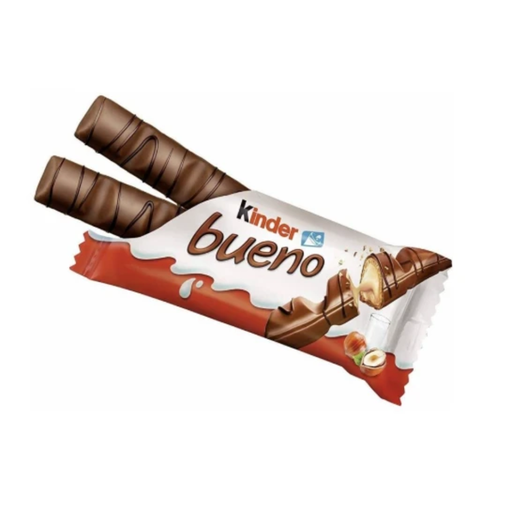 Image unavailable
A 44 g bar for a single treat. The product page lists milk, wheat, hazelnuts and soya among its allergens. Check the packaging if you need to avoid any of these ingredients.
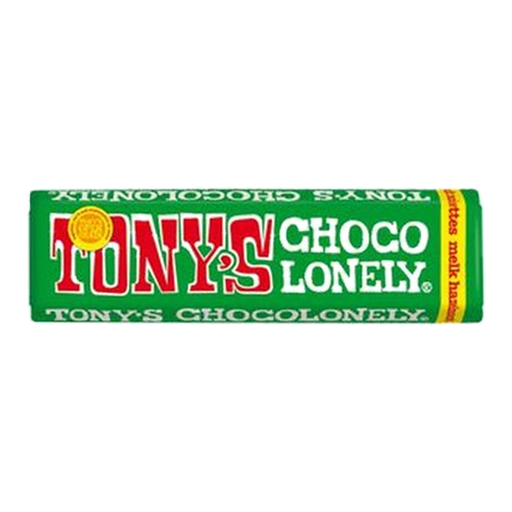 Image unavailable
A 47 g bar if you’d rather order a single item than a pack of separate portions. Check the allergen information on the packaging of the variant you receive before eating it.
 Image unavailable
This pack contains 9 individually wrapped mini bars, each weighing 11.6 g, for several smaller treats. The ingredients include milk, wheat and soya. Check the labelling if sugar or saturated fat content is important to your comparison.
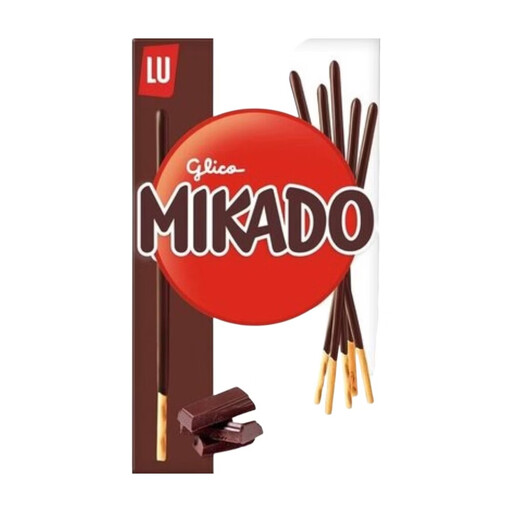 Image unavailable
A stick-shaped option for enjoying a small portion at a time, rather than a chocolate bar. The pack weighs 75 g and the product page gives an approximate weight of 7.5 g per stick, but doesn’t state the exact number. Check the nutritional values on the packaging before comparing them with another product.
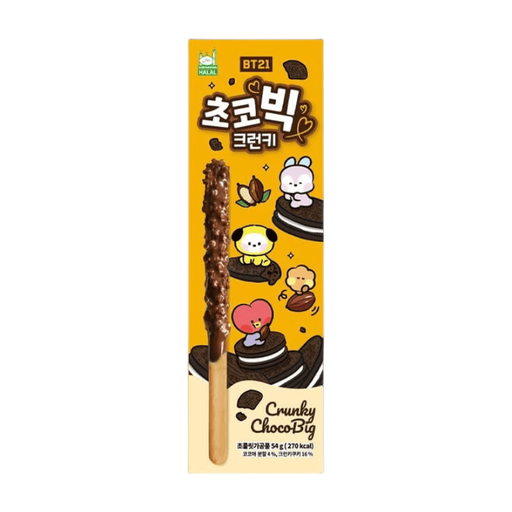 Image unavailable
A 54 g bar for a single treat, with no separate portions listed. Check the ingredients and allergens on the packaging of the exact product before eating it.
No. According to the French Ministry of the Economy, this contribution applies to sugary drinks, not solid chocolate bars. If sugar content matters to your choice, check the “of which sugars” line in the nutritional information.
No. The European Commission explains that front-of-pack nutrition labelling is voluntary. A nutritional declaration is still required for the vast majority of prepacked foods. Compare the values per 100 g, then per portion if that information is provided.
Check the product name, net quantity, ingredients, allergens and nutritional declaration in particular. The DGCCRF says that mandatory food information must be available before a distance sale is completed, except for the best-before or use-by date, which may be provided on delivery.
No. Check the ingredients list and highlighted allergens for the exact variant. Depending on the product, the product pages mentioned list milk, hazelnuts, soya or wheat. Check the labelling on the product you receive, too.