What should you look for?
Start by thinking about when you’ll be sharing: a break, a fixed feed station or planned fuelling during exercise all come with different requirements.
Small portions to hand out
Worth considering: for sharing bite-sized treats during a break without passing around a large, open box.
Limit: a bite-sized piece isn’t automatically a suitable carbohydrate portion for a race plan.
Large box or bag
Worth considering: for a group gathered at a fixed feed station or at the finish.
Limit: this format takes up more space and needs to be kept away from heat.
Clearly measured carbohydrate portions
Worth considering: when your priority is following a fuelling plan during a ride.
Limit: the amount and timing still need to suit your effort and be tested in training.
| Consideration |
What to check |
Who is this for? |
| Carbohydrates per serving |
Portion weight and corresponding carbohydrate content on the label; try it in training before a race. |
When planning to eat during exercise, I want to know what each portion contains rather than estimate by eye how many bites I’ve had. Around 36% of consumers put this measurable intake at the heart of their choice. |
| Sharing and transport |
Number of pieces, packaging and whether the chocolate can be kept away from heat. |
At a break, I’m looking for a format the group can share without having to open and carry a large box on the bike. Ease of sharing is the priority for around 29% of consumers. |
| Ingredients and allergens |
The ingredients and allergens for the exact product, including when the box contains several recipes. |
Before offering treats to the group, I need to check what they contain for anyone with dietary restrictions. Around 21% of consumers prioritise this check. |
| Amount to share |
Net weight, group size and where the pack will be kept before it’s opened. |
For a group finish, I prefer an amount that suits the number of people and can be stored properly until then. This is the first thing around 14% of consumers consider when choosing a format. |
Sharing chocolates on Joybuy
These formats include portions to hand out during a break, as well as boxes and bags to open when the group is together. If you’re planning to eat during exercise, check the carbohydrate content of your chosen portion separately.
 Image unavailable
Nestle KitKat Strawberry Short Cake, 9 pieces, 104,4 g
The 9-piece pack could be a good option to share during a break. If you’re counting carbohydrates, check the nutritional values and serving size on the packaging. Check the allergens too before handing out the pieces.
View on Joybuy
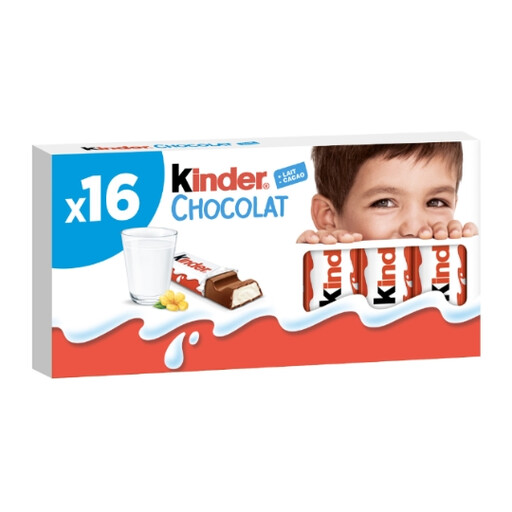 Image unavailable
Kinder Chocolate, 16 bars
This pack of 16 bars is suited to sharing between several people during a stop. To work out the intake per bar, check its weight and the carbohydrate content on the packaging, as well as the allergens for your group.
View on Joybuy
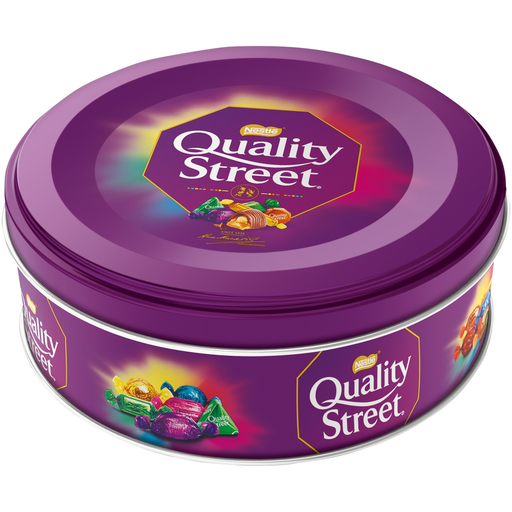 Image unavailable
Quality Street, assorted chocolates and toffees, 400 g
The 400 g box is better suited to opening at a fixed stop or at the finish than carrying in a jersey pocket. Check the ingredients in the different sweets, and don’t try to work out the carbohydrates per piece using only the values per 100 g.
View on Joybuy
 Image unavailable
MALTESERS milk chocolate, 192,5 g bag
This bag can be opened to share when the group is together. If everyone needs to know their intake, decide how much to serve and check the nutritional information on the packaging. Check the allergens before sharing too.
View on Joybuy
 Image unavailable
Toblerone Milk, 3 × 50 g
The three 50 g bars make it easy to plan a share across several bars during a break or at the finish. If you’re using a bar as a measured portion, check the corresponding carbohydrate content and packaging information. Read the allergen list too.
View on Joybuy
Frequently asked questions
Can a box of chocolates replace planned fuelling for a race?
Not automatically: a sharing box doesn’t guarantee an easy-to-measure carbohydrate portion. The UCI Sports Nutrition Project, published in the International Journal of Sport Nutrition and Exercise Metabolism, describes strategies tailored to the cyclist and the race. If you’re planning to eat chocolates during exercise, check the portion and practise your plan in training.
Does a box of chocolates have to display Nutri-Score in France?
No. Santé publique France states that displaying it is voluntary. European regulations on consumer information cover, among other things, nutrition declarations and ingredient lists. Check these details for the product you’ve chosen, whether or not it displays Nutri-Score.
Which allergens should you check before sharing an assortment?
Read the ingredients and allergen information on the specific box, as recipes can vary. For example, the Ferrero Collection listing published by Carrefour France mentions milk, wheat, soya, hazelnuts and almonds for that particular product.
How should you transport a box of chocolates in hot weather?
Keep it in a shady spot and don’t leave it in a vehicle exposed to heat. Chronofresh notes that transporting chocolate requires temperature control. Also check the delivery conditions if you’re planning to share the chocolates after receiving an order.
Does the ‘soda tax’ apply to boxes of chocolates?
No. The tax on sugary drinks described by the Ministry of the Economy applies to those drinks, not to boxes of chocolates as such. If you’re choosing chocolate for a measured intake during exercise, check the carbohydrates and serving size on the label instead.


