For drinks with friends, choose a chocolate bar if you can break it up and serve it on a shared plate. If you want to give everyone their own portion without handling the chocolate, opt for individually wrapped bars or mini portions. When putting together your selection, check the number of pieces, total weight, flavours and the label for each recipe, particularly its allergens and sugar content.
Which format is right for you?
Hosts who want to make serving easy
If guests will help themselves from a shared plate, a chocolate bar you can break up may be a good choice. If you want to hand each person a portion or take the chocolate with you, check that the bars or mini bars are individually wrapped.
Groups with different tastes
Depending on your guests’ preferences, pair a milk chocolate recipe with a dark chocolate one or a bar with added ingredients. Remember to check the ingredients list and allergens for every new recipe.
People who check the labels
Before serving, compare the sugar and saturated fat per 100 g, then check the allergens for each product. If the packaging displays a Nutri-Score, it doesn’t replace this information.
What should you look for?
Choose the format before deciding on the flavours: it determines how your guests will take their chocolate. You can then use the total pack weight and product labels to tailor your selection to the group.
Sharing bar
Choose this: if guests can take squares from a shared plate.
Bear in mind: you’ll need to unwrap and serve the bar; its squares won’t necessarily be individually wrapped.
Individual portions
Choose this: if you want to hand each guest a wrapped portion or make the chocolate easier to transport.
Bear in mind: check the actual number of pieces and be prepared for individual wrappers.
| What to consider |
What to check |
Who is it for? |
| Ease of serving |
A bar to break up or individually wrapped pieces; number of pieces. |
If everyone needs their own portion without touching the shared plate, the packaging matters more than the recipe. Around 33% of consumers put ease of serving first. |
| Variety of flavours |
Milk or dark chocolate recipes, or bars with added ingredients; ingredients in each one. |
If your guests don’t all like the same kind of chocolate, offering a few recipes means you don’t have to rely on just one flavour. Around 25% of consumers prioritise this variety. |
| Labels and allergens |
Allergens and ingredients list; sugar and saturated fat per 100 g. |
To take account of guests’ dietary requirements or compare nutritional information, you’ll need to check each pack. Reading the label is the main priority for around 25% of consumers. |
| Quantity for the group |
Total net weight and number of bars or packs in the multipack. |
When several people are helping themselves, the pack size alone doesn’t tell you how much chocolate will be available. Around 17% of consumers prioritise choosing an amount that suits the group. |
Common mix-ups to avoid
-
Assuming pre-scored squares are individually wrapped portions
The squares in a chocolate bar are easy to share, but they aren’t necessarily individually protected. That makes a difference when serving snacks at a standing drinks party.
Check whether the packaging says the pieces are individually wrapped. If not, put the squares on a plate.
-
Choosing a recipe without checking its allergens
A milk chocolate, hazelnut or biscuit variety may not be suitable for some guests. Nor should you assume that a dark chocolate bar is free from allergens.
Ask guests with dietary requirements what you need to take into account, and keep the label for each product handy while serving.
-
Treating the Nutri-Score as a verdict on the bar
According to the French Ministry of Agriculture, displaying the Nutri-Score is optional in France. Whether it appears on the packaging or not, you should still check the product’s ingredients.
If it is displayed, read it alongside the ingredients list, allergen information and nutritional values per 100 g.
Brands to know for a varied selection
Milka
Milka offers milk chocolate bars and recipes with hazelnuts, biscuits or other added ingredients.
- Different recipes can add a variety of textures to your selection.
- Check the ingredients and allergens for each variety you choose.
Lindt
The range includes milk and dark chocolate bars, so you can choose according to your guests’ tastes.
- These recipes let you offer a choice of distinct flavour profiles.
- The nutritional information and allergens for one Lindt product don’t automatically apply to others.
Côte d’Or
Côte d’Or’s range includes chocolate bars, sticks and pralines.
- The product shape can help you decide whether to share it or hand out individual portions.
- Check the weight, ingredients and packaging of the product you choose.
Carrefour
Carrefour offers bars from national brands as well as several ranges under its own name.
- The choice of formats and recipes gives you plenty of ways to put together a selection.
- Check the weight and ingredients of each bar rather than relying on the range name alone.
E.Leclerc / Marque Repère
The Tablette d’Or and Equador ranges include milk and dark chocolate recipes; some dark chocolate bars state their cocoa content.
- A stated cocoa content makes it easier to distinguish between dark chocolate bars.
- This percentage doesn’t replace checking the sugar, ingredients and allergens.
Chocolate bars and portions available on Joybuy
These products offer two ways to serve chocolate at a drinks party: mini bars to hand out and chocolate bars to put on a shared plate. Mini bars aren’t the same as classic chocolate bars, so choose according to how you plan to serve them and check the label for each recipe.
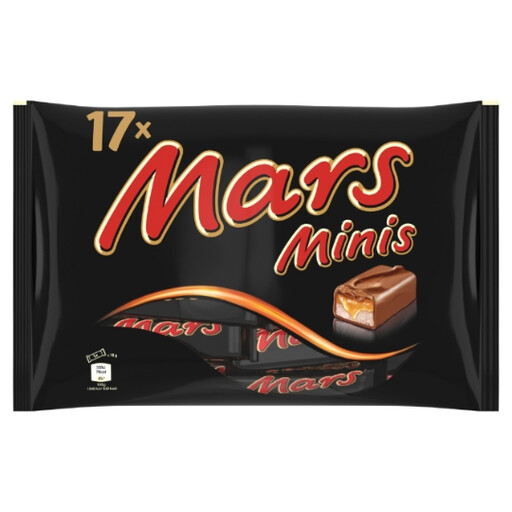 Image unavailable
MARS Minis milk chocolate, caramel and nougat, 333 g
These mini bars are worth considering if you’d rather hand out portions than break up a chocolate bar. The bag weighs 333 g; check the number of pieces and allergens before planning a portion for each guest.
View on Joybuy
 Image unavailable
Nestle KitKat Strawberry Short Cake, 9 pieces, 104.4 g
A pack of nine pieces, offering a strawberry cake flavour alongside chocolate bars. The total weight is 104.4 g; check the packaging for sugar, saturated fat and allergens before serving.
View on Joybuy
 Image unavailable
Lindt Excellence dark chocolate, 85% cocoa, 100 g
A bar to break into squares if you’d like to include an 85% cocoa dark chocolate recipe. It weighs 100 g, so plan the quantity according to the size of your group. Check the label if you need to avoid any allergens.
View on Joybuy
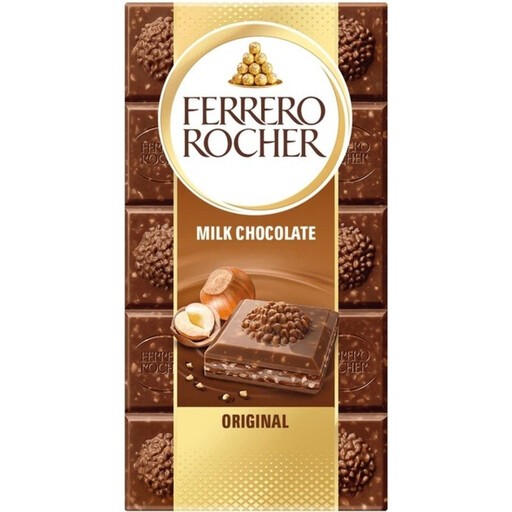 Image unavailable
Ferrero Rocher Original chocolate bar, 90 g
A bar to break up and serve on a shared plate. It weighs 90 g, so check whether that’s enough for the number of guests and read the recipe’s allergen information, particularly if anyone needs to avoid nuts.
View on Joybuy
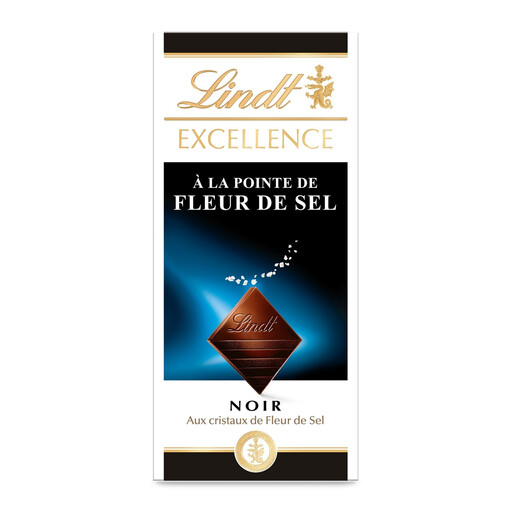 Image unavailable
Lindt Excellence dark chocolate with sea salt, 100 g
A sharing bar that adds a dark chocolate and sea salt recipe to your selection. It weighs 100 g; if you’re looking for a particular cocoa content, check the packaging for this product.
View on Joybuy
Frequently asked questions
Is the Nutri-Score compulsory on chocolate bars in France?
No. According to the French Ministry of Agriculture, displaying it remains optional in France. If it appears on a chocolate bar, also check the ingredients list, allergen information and nutrition declaration.
Does the ‘soda tax’ apply to chocolate bars?
The levy referred to by the French Ministry of the Economy and Finance applies to non-alcoholic drinks, not solid chocolate bars. When comparing chocolate bars, it’s better to look at their ingredients and nutritional values.
What should you check on the packaging before serving a chocolate bar?
In particular, check the ingredients, allergens, net quantity and nutrition declaration. European rules on prepacked food labelling require any allergens present to be highlighted in the ingredients list. Keep the packaging handy for guests who need to check it.
How should you store chocolate bars before a drinks party?
Follow the storage instructions on each pack. Check them before deciding where to keep the chocolate bars until you’re ready to serve them.


