Chocolate-coated biscuits are ready to serve, while toast and its topping let you choose the base and how much to add. If your child needs to avoid an allergen, check every product: ‘gluten-free’ does not mean free from milk, soya or nuts. Manger Bouger recommends limiting sugary products for children; this chocolate treat is not a substitute for dinner.
Who is this choice for?
Families dealing with an allergy or intolerance
The first thing to consider is the ingredient that needs to be avoided. The DGCCRF reminds shoppers that allergens must be highlighted in the ingredients list. For food intended for school, an individual care plan may also set out the arrangements that apply to the child, according to the Ministry of National Education.
Parents looking to serve a chocolate treat with dinner
A ready-to-serve product can be included as the sweet part of a meal, without becoming its only component. Manger Bouger recommends offering children sugary products in limited quantities.
Families who prefer to add their own topping to toast
Choosing the base and chocolate spread separately lets you decide how much topping to use. However, read the ingredients and precautionary allergen information on both packs: a gluten-free base does not automatically make the combination suitable for avoiding another ingredient.
What should you check before choosing?
Start with any dietary restrictions, then consider how the product fits into dinner and which format suits you. Toast to top yourself calls for different checks from a biscuit that is already chocolate-coated.
| What matters | What to check | Who is this for? |
|---|
| Allergens |
Read the highlighted ingredients and precautionary allergen information on each relevant pack. ‘Gluten-free’ does not tell you about other allergens. |
If a child needs to avoid a specific ingredient, the product’s ingredients matter more than its taste or format; around 34% of consumers prioritise this compatibility. |
| Its place in dinner |
Check the sugars per 100 g and the amount you plan to serve, without relying on a single nutrition indicator in isolation. |
If the chocolate treat could take the place of the meal, deciding how much to serve should come first; this is the priority for around 33% of consumers. |
| Ready-to-serve format |
Check the product description: a chocolate-coated biscuit, a wafer and toast to top are distinct products. |
Some consumers first look for a chocolate-coated format that can be served without combining two products; around 20% prioritise this convenience. |
| Finding the right format |
Check the pack format and make sure the product you choose matches the packaging whose ingredients you have read. |
When finding a specific product and a convenient pack size matters, this availability guides the choice of around 13% of consumers. |
Mistakes to avoid
-
Assuming ‘gluten-free’ means ‘allergen-free’
A gluten-free biscuit may still contain milk, soya or eggs, among other ingredients. The claim relates to avoiding one specific ingredient, not every allergen.
Identify the ingredient that needs to be avoided, then check the ingredients list and precautionary allergen information on the product you buy.
-
Making a chocolate product the whole of dinner
Manger Bouger recommends limiting sugary products for children. A chocolate-coated biscuit or topped toast is not a dinner on its own.
Decide how much to serve with the rest of the meal in mind.
-
Comparing toast, biscuits and pastries as if they were the same product
Toast to top involves choosing two products, while a chocolate-coated biscuit is ready to eat. Their product descriptions and ingredients lists should not be read as variations of a single category.
Check the product type first, then compare products intended for the same use.
-
Assuming a product served at home is also suitable for school
According to the Ministry of National Education, an individual care plan can set out arrangements for a particular medical condition in a school setting.
If the food needs to be taken to school, check the written arrangements that apply to the child as well as the label on the product you choose.
Brands to know by product type
Carrefour Bio
Carrefour France features crunchy chestnut toast formulated for people with a gluten intolerance. It is a base to add your own topping to, not toast that is already chocolate-coated.
- You can choose the base and topping separately.
- The product information warns that it may contain traces of other allergens; check the topping’s packaging too.
Chaque Jour Sans Gluten (Marque Repère / E.Leclerc)
E.Leclerc describes gluten-free milk chocolate-coated sticks: a biscuit ready to eat rather than toast.
- This product combines a ready-coated format with a gluten-free claim.
- The product information lists milk, soya and eggs among its ingredients; check which specific allergen needs to be avoided.
Jardin Bio Étic
Auchan France features a chocolate and hazelnut spread described as gluten-free and lactose-free, to pair with a base of your choice.
- Choosing the products separately lets you decide how much topping to use.
- The recipe contains hazelnuts, and the product information warns that it may contain traces of other allergens: check both products.
Gavottes
Auchan France’s product information describes lace crêpes coated in milk chocolate with hazelnut flavour, which are different from toast.
- The product information states that this product contains 43% milk chocolate.
- The product information lists wheat, milk, soya and barley among its ingredients; it is not suitable for avoiding gluten.
Lidl
Lidl France features a pure butter pain au chocolat. This chocolate pastry is neither toast nor a chocolate-coated biscuit.
- The product description and ingredients list identify it as a separate category.
- The product information lists wheat flour and butter among its ingredients; don’t choose it if you need to avoid gluten.
Biscuits and wafers available on Joybuy
These products are for choosing a crisp, ready-to-serve treat, rather than toast and a topping that you combine yourself. Check the packaging of the product you choose if you have a dietary restriction.
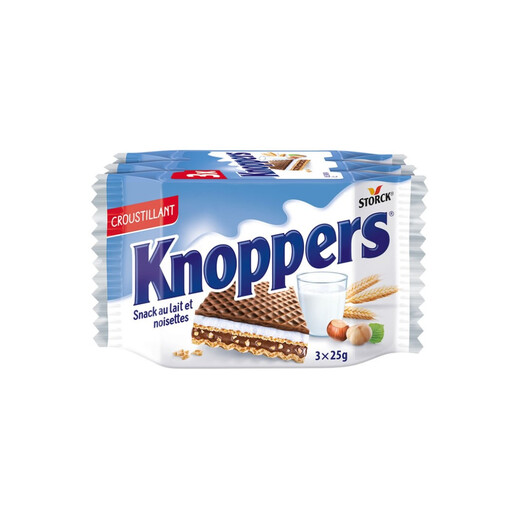 Image unavailable
Knoppers Milk & Hazelnut, 3 × 25 g
Worth considering if you’re looking for a chocolate product packed as three 25 g portions, so you can choose how much to serve alongside dinner.
Before serving it to a child with an allergy, check the ingredients and precautionary allergen information on the pack you buy.
View on Joybuy
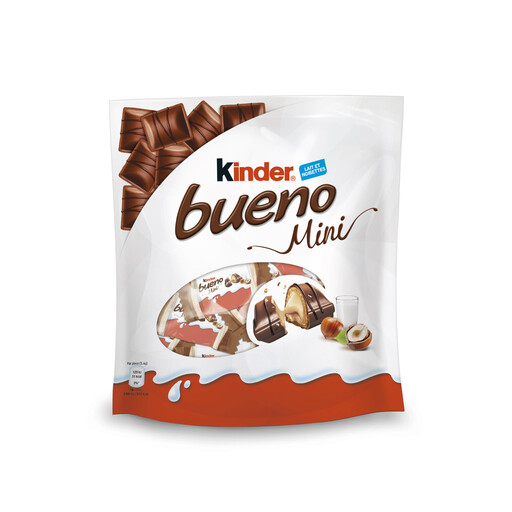 Image unavailable
Kinder Bueno Mini, 108 g
The Mini format may suit you if you want to serve a few pieces separately. The pack contains 108 g in total, but that does not determine how much to give a child.
Check the ingredients and precautionary allergen information on the pack if you have a dietary restriction.
View on Joybuy
 Image unavailable
Nestle KitKat Strawberry Short Cake, 9 pieces, 104.4 g
The pack of nine pieces lets you choose how many to serve as the sweet part of dinner, without treating the pack size as a recommended portion.
Check the nutrition information and allergens on the packaging before choosing this flavour.
View on Joybuy
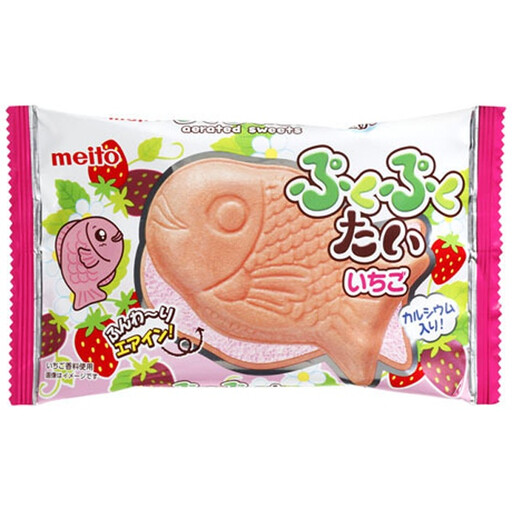 Image unavailable
Meito Pukupukutai Strawberry Choco Wafer
This strawberry and chocolate wafer is a ready-to-serve product, not toast to add your own topping to.
Decide how much to serve, and check the ingredients and precautionary allergen information on the packaging if needed.
View on Joybuy
Frequently asked questions
Can a chocolate-coated biscuit make up a child’s entire dinner?
No: treat it as the sweet part of the meal, not the whole meal. Manger Bouger recommends limiting sugary products for children; choose how much to serve with the rest of dinner in mind.
What should you read on the packaging before choosing?
First check the product description, then read the ingredients, highlighted allergens and nutrition information. The DGCCRF reminds shoppers that allergenic ingredients must be highlighted. If you’re pairing toast with a chocolate spread, check both packs.
Is a gluten-free biscuit also free from other allergens?
No. The Chaque Jour Sans Gluten sticks described by E.Leclerc contain milk, soya and eggs, among other ingredients. Avoiding gluten does not remove the need to check the label for the specific allergen in question.
What should you do if the product will also be eaten at school?
Check the written arrangements that apply to the child and the label on the product they will take in. According to the Ministry of National Education, an individual care plan may be put in place for a particular medical condition; a ‘gluten-free’ claim is no substitute for these individual arrangements.


