Organisers who want to keep portions in mind
If you want to give each child a chocolate bar without relying on the pack weight alone, compare the kcal per bar you plan to serve and per 100 g.


To serve each child a lighter portion, first compare the kcal in the amount you plan to hand out, then check the figures per 100 g and the sugar content. A smaller bar isn’t necessarily lower in calories. Before choosing a multipack for the group, check the allergens for the exact product and how many portions it contains.
If you want to give each child a chocolate bar without relying on the pack weight alone, compare the kcal per bar you plan to serve and per 100 g.
Ask about any reported allergies before you shop, then check the ingredients and allergen information for each product you’re considering.
If you’re counting out bars or putting together party bags, check how many bars are in each pack, their weight and how they’re packaged.
Decide what portion you plan to give each child before comparing labels, and rule out any products that aren’t suitable for reported allergies first.
| What to check | Look for | Who should consider this? |
|---|---|---|
| Energy and sugar per portion | The kcal and sugar in the portion you plan to serve, followed by the figures per 100 g. | If I’m giving each child a whole bar, I want to know the energy and sugar in that bar rather than judging by its packaging. Around 42% of consumers prioritise comparing portions in this way. |
| Allergens | The ingredients, listed allergens and any “may contain” information on the pack you buy. | If I’ve been told about an allergy, I need to choose a suitable product before thinking about the format for the party tea. Around 33% of consumers put allergen suitability first. |
| Number and format of bars | How many bars there are, their individual weight and how they’re packaged. | If I’m preparing party bags without cutting up bars on the day, I need to know how many portions are available. Around 25% of consumers prioritise ease of serving. |
A lighter bar means a smaller portion, but that alone doesn’t tell you how many kcal the product contains per 100 g. Carrefour France’s product listing for Balisto Fruits des Bois, for example, gives a weight of 18.5 g per bar and 501 kcal per 100 g; its listing for Snickers gives 244 kcal per 50 g bar.
Decide whether you’ll serve a whole bar or a different portion, then compare kcal on that basis as well as per 100 g.
Santé publique France says that displaying the Nutri-Score is voluntary. If it appears on the packaging, it doesn’t replace checking the nutritional information and ingredients.
Also check the kcal in the portion you plan to serve, the sugar content and the allergens for the product you’ve chosen.
The recipes of the chocolate products mentioned here differ. You can’t tell whether a product is suitable for guests with allergies just from its brand or format.
Ask the children’s parents or carers for the information you need, and check the label on the pack you’ll be serving. If a product isn’t suitable, have a separate option ready.
KitKat France warns that small KitKat Ball sweets may pose a choking risk for children under 4. This warning applies to this format and doesn’t describe every bar from the brand.
For this age group, avoid KitKat Ball rather than choosing them as a substitute for a bar.
The 50 g peanut and caramel bar listed by Carrefour France gives you a full-size portion to consider.
The brand offers products such as KitKat Ball, a small sweet format that’s different from an individual bar.
Carrefour France lists Carrefour Sensation chocolate and peanut bars in a pack of 5 x 50 g bars.
This 40 g bar could be included when comparing the portions you plan to serve at the party tea. Check its label and packaging before deciding how to hand it out.
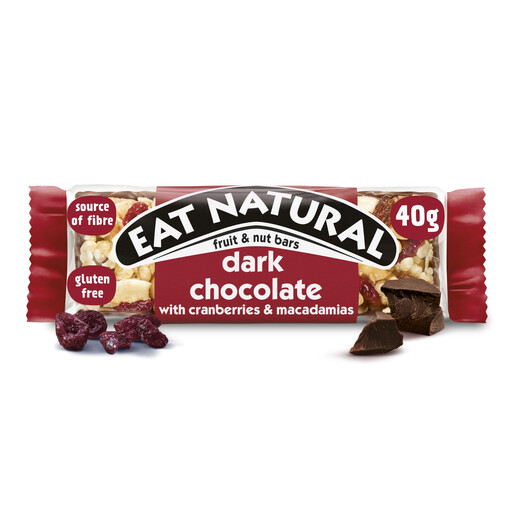 Image unavailable
If you’re thinking of serving a whole bar to each child, its 40 g size gives you a portion to compare with other products. Check the kcal and sugar per bar, along with the allergens on the packaging. If you need individually wrapped portions, check how the bars are packaged too.
No. The charges described by the Bulletin officiel des finances publiques-Impôts apply to non-alcoholic drinks, not solid chocolate bars. When choosing a bar, check the nutritional information for the portion you plan to serve instead.
No. Santé publique France says that producers choose whether to display it. If it’s shown, read it alongside the nutritional information, ingredients and allergens for the exact product.
Start with the allergies reported for the children attending, then check the ingredients and allergen information on every pack you buy. Don’t assume that two bars in the same category have the same ingredients.