People who count the kcal in their snacks
You want to know how much energy is in the bar you actually eat, rather than relying on the size of the pack or the word ‘mini’.


For a classic snack, compare the kcal in the amount you plan to eat: a small portion isn’t necessarily a lower-calorie recipe. Carrefour France lists 226 kcal for a 51 g Mars bar and 244 kcal for a 50 g Snickers bar. Its figures for KitKat Milk work out at around 212 kcal per 41.5 g bar, based on 510 kcal per 100 g. These figures apply to those specific products. Check the sugars and allergens on the packaging of the product you choose, too.
You want to know how much energy is in the bar you actually eat, rather than relying on the size of the pack or the word ‘mini’.
You compare energy, sugars and ingredients. Nutri-Score can provide extra information when it appears on the product, but Santé publique France says that displaying it is voluntary.
Before choosing a flavour or format, check the exact recipe. Depending on the product, the Carrefour France listings mention milk, soya, egg, wheat or peanuts.
To compare bars of different sizes, start with the portion you’ll eat, then check the figures per 100 g and the ingredients list.
| What matters | What to check | Who is it for? |
|---|---|---|
| Energy per serving | The kcal per bar, its weight and the kcal per 100 g. | If I’m planning to eat one bar, I want to know the kcal in that bar and avoid confusing a small format with a lower-calorie recipe. Around 50% of consumers put the energy in their portion at the heart of their choice. |
| Nutrition information | Sugars and ingredients; Nutri-Score as extra information when displayed. | Calories alone aren’t enough for me to compare snack recipes. Around 30% of consumers prioritise checking nutrition information. |
| Recipe and format | The allergens in the exact product and, in an assortment, those in each recipe. | When I choose a flavour or a handy format, the recipe still needs to suit my dietary requirements. For around 20% of consumers, this suitability and the format come first. |
The format describes the size of each piece, not the recipe’s energy density. Carrefour France lists 439 kcal per 100 g for a bag of Mars Mini containing 17 pieces.
If you’re planning to eat one mini bar, check its weight and kcal per piece on the packaging before comparing it with a full-sized bar.
According to Santé publique France, producers choose whether to display Nutri-Score. Its absence alone therefore tells you nothing about the product.
When it is displayed, use it as extra information when comparing products in the same category. Also check the serving size, sugars and ingredients.
The levy described by Légifrance applies to drinks and liquid preparations for drinks, not solid chocolate bars.
When choosing a bar, check its nutrition declaration without treating this drinks levy as a relevant criterion.
Recipes aren’t interchangeable: Carrefour France listings include peanuts in Snickers and wheat in Twix and KitKat, among other ingredients.
First check the ingredients and any ‘may contain’ statements on the exact pack. Then compare portions among products that meet your requirements.
The 51 g milk chocolate, caramel and nougat bar listed by Carrefour France contains 226 kcal per bar.
The 50 g chocolate, caramel, nougat and peanut bar listed by Carrefour France contains 244 kcal per bar.
The chocolate, caramel and biscuit recipe is included in the mini assortment listed by Carrefour France. Its ingredients include wheat flour, milk and soya.
For the 41.5 g KitKat Milk bar listed by Carrefour France, 510 kcal per 100 g works out at around 212 kcal per bar.
These products give you the chance to look at two classic bars in individual portions and a mini matcha option. For the snack you have in mind, compare the amount you’ll actually eat and check the label on the product you choose.
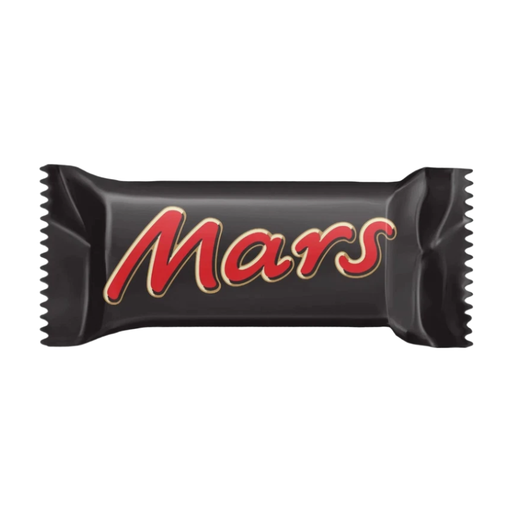 Image unavailable
An individual bar to consider if you want to compare the energy in a full serving for your snack. Carrefour France lists 226 kcal for its 51 g Mars bar. Check the figures and allergens on the packaging of the bar you buy. This figure isn’t a ‘lower-calorie’ claim.
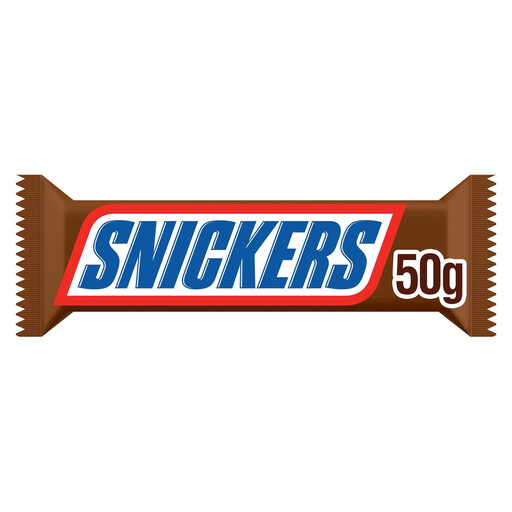 Image unavailable
An individual serving for anyone looking for this peanut recipe. Carrefour France lists 244 kcal for its 50 g Snickers bar. As it contains peanuts, check the allergens on the exact pack before choosing it.
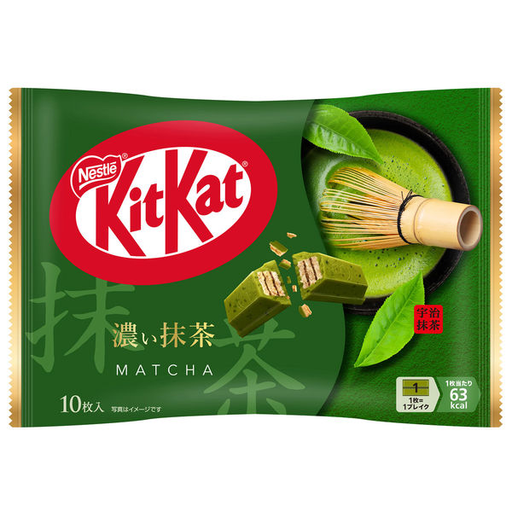 Image unavailable
This mini matcha format is a different choice from a full-sized bar. The pack is listed as 113 g. To assess it as a snack, check the weight, kcal and sugars for the amount you plan to eat on the packaging. ‘Mini’ doesn’t describe the recipe’s energy density.
No. Santé publique France says that producers choose whether to display it. When shown, Nutri-Score adds to the nutrition information; if it’s absent, you should still read the product label.
No, not under the levy described by Légifrance: the text applies to drinks and liquid preparations for drinks. Sugar content is still worth comparing on the label, but it doesn’t make this levy applicable to a solid bar.
Compare the kcal in the amount you’ll eat, then check the figures per 100 g to distinguish serving size from composition. If you don’t know the weight or kcal of a mini bar, check its packaging before comparing it with a full-sized bar.
Check the ingredients, allergens and any ‘may contain’ statements for the exact product. The Carrefour France listings cited for these recipes mention peanuts in Snickers and wheat in Twix and KitKat, among other ingredients. Don’t assume one recipe has the same ingredients as another.