For a mid-morning break, choose a chocolate-coated wafer if the chocolate shell is what matters most, or a chocolate-topped Liège waffle if you prefer a soft waffle with pearl sugar. If you want to plan your portion in advance, check the weight of each piece and how it is packaged. In every case, compare the nutritional information and allergen details for the specific product you choose.
Who are these formats for?
If you’re looking for a chocolate shell
If the chocolate on the outside is your main priority, make sure you distinguish a chocolate-coated wafer from a waffle with a chocolate topping. E.Leclerc and Auchan product listings show different proportions depending on the product, so check the details of the one you’re thinking of buying.
If you want to plan your portion
For a quick break, the weight of each piece and whether it comes individually wrapped may matter more than the overall pack size. Carrefour listings include both a 20 g single wafer and a pack of six pieces weighing 138 g: these are not equivalent portions.
If you check for allergens
Product information lists ingredients such as wheat, milk, soya and nuts, while ‘may contain’ warnings vary by product. If you need to avoid an ingredient, check the ingredients list and allergen information on the packaging you buy.
What should you check before buying?
Start by deciding whether you want a chocolate shell, a particular waffle texture or a portion that’s easy to plan. Then compare the recipes on a like-for-like basis: France’s Directorate General for Competition Policy, Consumer Affairs and Fraud Control says that nutritional information per 100 g makes it easier to compare products.
| What to consider |
What to check |
Who it matters to |
| Coating and type of waffle |
Read the product description and check the stated proportion of chocolate or topping. The Auchan listing for the Fortwenger wafer reviewed states 78% dark chocolate; the E.Leclerc listing for the P'TIT DELI Liège waffle states 13% chocolate topping. |
To get a chocolate shell rather than a simple topping, choose the right type of product. Around 33% of consumers are said to prioritise having chocolate on the outside. |
| Portion |
Check the weight of each piece and the number of pieces, then see whether they’re individually wrapped. An Auchan listing states that the pack contains 16 wafers, with no individual wrappers. |
If you need to plan a portion before heading out, a clearly stated weight per piece can help you decide. Portion size is said to be the main priority for around 25% of consumers. |
| Ingredients and allergens |
Compare the sugars and saturated fatty acids per 100 g, then read the ingredients and allergen information on the packaging of the product you choose. |
If you need to avoid an ingredient or check nutritional values, the colour of the chocolate alone won’t help you choose between recipes. This is said to be the top consideration for around 25% of consumers. |
| Availability |
Check that the product and format you want are available at the shop or through the collection option you plan to use. |
If you’re looking for a particular product for your next break, you’ll want to know whether you can actually get hold of it. Around 17% of consumers are said to make availability their top priority. |
Common mix-ups to avoid
-
Confusing ‘topped’ with ‘coated’
These terms describe different finishes. The listings reviewed state 13% chocolate topping for a P'TIT DELI Liège waffle, compared with 78% dark chocolate for a coated Fortwenger wafer. The texture also differs: a soft waffle versus a thin, crisp wafer.
If you’re mainly after a chocolate shell, read the product description and check the stated proportion of chocolate for the specific product.
-
Looking only at the figures per 100 g
This gives you a basis for comparing products, but it may not reflect what you’ll eat during your break. For example, the Carrefour listing for an Excelo wafer states 125 kcal per 20 g piece; that figure doesn’t apply to other formats.
Once you’ve compared the figures per 100 g, check the weight and number of pieces you expect to eat.
-
Assuming dark chocolate tells you everything about the ingredients
The type of chocolate reflects a difference in the recipe, but it doesn’t tell you the nutritional values or whether allergens are present. The Auchan listing for the Fortwenger dark wafer states 34.8 g of sugars and 17.3 g of saturated fatty acids per 100 g, as well as wheat and soya.
Choose your chocolate according to your preferences, then check the nutritional information and ingredients list separately.
-
Assuming every biscuit is individually wrapped
The number of pieces doesn’t tell you how they’re packaged. The Auchan listing for 16 coated wafers specifies that they aren’t individually wrapped.
If you want to take a single piece with you, check the packaging and availability of the product before buying.
Brands to compare
These ranges show different ways of pairing waffles and chocolate. The details below apply to the specific products mentioned, not to every product from each brand.
P'TIT DELI
At E.Leclerc, the range includes a dark chocolate-coated wafer and a chocolate-topped Liège waffle.
- The wafer listing states 40% chocolate and 43.5% low-fat cocoa filling.
- The Liège waffle is a different recipe: its listing states 13% chocolate topping and 18% pearl sugar.
FORTWENGER CHOCOLATERIE
The product listed by Auchan is a wafer coated in dark chocolate.
- Its listing states 78% dark chocolate, with at least 43% cocoa.
- This recipe contains wheat and soya, so check the packaging if these ingredients are a concern for you.
CARREFOUR SENSATION
The coated wafer listed by Carrefour comes in a pack of six pieces weighing 138 g.
- The piece count and pack weight help you compare this format with other options for a break.
- The recipe includes milk, wheat, soya and hazelnut, as well as possible traces of several other allergens. Check the label on the pack you buy.
AUCHAN
The filled and coated wafer listed by Auchan comes in a 150 g pack containing 16 biscuits.
- The product listing states the number of biscuits in the pack.
- The same listing says the biscuits aren’t individually wrapped.
Milka
The Carrefour listings reviewed feature Choco Suprême milk chocolate-coated wafers and Choco Wafer white chocolate-coated wafers.
- The two varieties let you choose the type of chocolate stated on the pack.
- The recipes listed include wheat, milk and soya. Check the information for the specific variety you buy.
Chocolate wafers on Joybuy
These products are suited to anyone looking for a chocolate wafer for a mid-morning break. They come in different shapes, including filled bars and rolls, so check the coating and format on each pack to find what suits you.
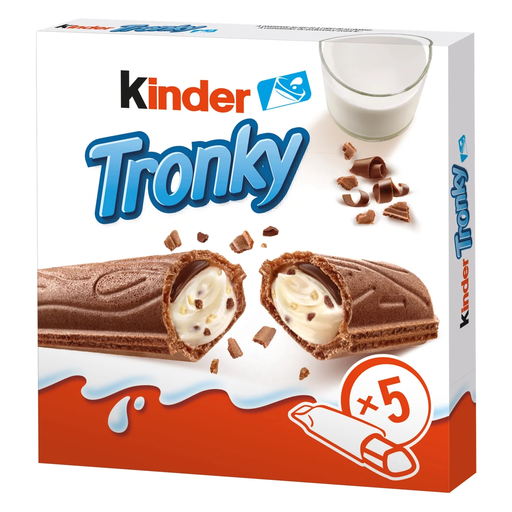 Image unavailable
Kinder Tronky milk chocolate wafer bars, 90 g
These bars are worth considering if you’d like to take a wafer with you for your break. The title gives the pack weight as 90 g. If you want to work out how much you’ll eat per bar, check the weight and packaging on the pack.
View on Joybuy
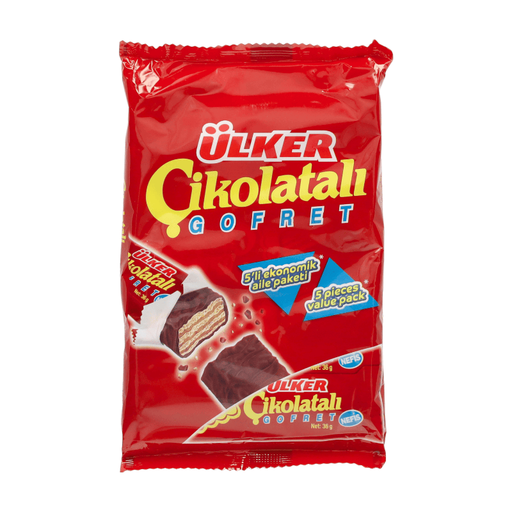 Image unavailable
Ülker Çikolatali Gofret
Worth considering if you’re looking for a chocolate wafer rather than a Liège waffle. Before choosing this pack for a specific portion, check the net weight on the packaging: the title states 180 g, while the description says 144 g. Also check the number of pieces and the allergen information for the product you buy.
View on Joybuy
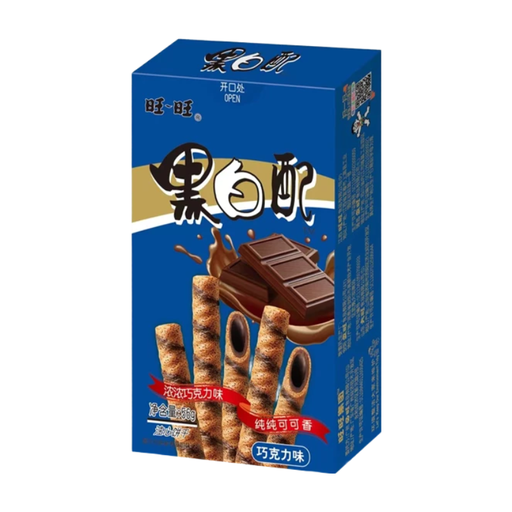 Image unavailable
WantWant chocolate-filled wafer rolls, 56 g
These filled rolls are a good option if you fancy a change from flat wafers. The title gives the pack weight as 56 g. If you only plan to take some of them with you, check the number of rolls and how they’re packaged. The filling mentioned in the title doesn’t, on its own, tell you whether the outside is coated.
View on Joybuy
Frequently asked questions
Do ‘coated’, ‘topped’ and ‘filled’ mean the same thing?
No. These terms describe the outside of a wafer or waffle, or the filling inside it. The Auchan and E.Leclerc listings state 78% dark chocolate for a coated Fortwenger wafer and 13% chocolate topping for a P'TIT DELI Liège waffle, respectively. A filled wafer doesn’t necessarily have an outer coating, so read the full product description.
How can you compare two formats for a mid-morning break?
First, compare the nutritional information per 100 g, then work out how it relates to the amount you think you’ll eat. France’s Directorate General for Competition Policy, Consumer Affairs and Fraud Control says that figures per 100 g make products easier to compare. The weight of each piece and whether it’s individually wrapped can then help you choose your portion.
Where can you check the allergens in a chocolate wafer?
Check the ingredients list and any ‘may contain’ warnings on the packaging of the product you buy. France’s Directorate General for Competition Policy, Consumer Affairs and Fraud Control says allergenic ingredients must be highlighted on the label. The products featured here have different ingredients and warnings, so an online listing is no substitute for checking the pack.


