For serving a bite with coffee
You’re looking for a wafer that’s ready to serve alongside a cup. The number of pieces and the pack weight can help you choose between individual portions and a pack to share.


To enjoy with coffee, choose individually wrapped pieces if you want to serve the wafers one at a time, or a standard pack if you plan to share or come back for more. Then choose between milk, white or dark chocolate coatings to suit your preference. Finally, check the ingredients, allergens and nutritional information for the specific product: the type of chocolate alone doesn’t tell you everything about its recipe.
You’re looking for a wafer that’s ready to serve alongside a cup. The number of pieces and the pack weight can help you choose between individual portions and a pack to share.
You have a preference for milk, white or dark chocolate and want to check that the biscuit is coated all over, rather than simply filled with cocoa.
You compare ingredients, allergens and nutritional values before choosing a biscuit for a snack. The exact recipe matters more than the colour of the coating alone.
| What to consider | What to check | Who is it for? |
|---|---|---|
| Serving format | Check the number of pieces and the net weight. Carrefour lists 6 pieces for 138 g in its Sensation range, compared with 150 g for EXTRA. | If you want to serve a bite alongside each coffee without portioning out a large pack, look for individual pieces; around 40% of consumers prioritise ease of serving. |
| Type of coating | Check the product name and ingredients: Milka offers milk and white chocolate options, while the Fortwenger product listing we checked describes a dark chocolate coating. | If you have a clear preference for milk, white or dark chocolate, check which coating it is rather than relying on a general mention of cocoa; around 30% of consumers make this their top priority. |
| Ingredients and labelling | Read the allergen information and any warnings about possible traces, then compare the nutritional values per 100 g and the Nutri-Score, if shown. | If the ingredients or an allergen matter to your household, you’ll need to read the label for the specific product; around 30% of consumers put this ahead of the format and coating. |
A cocoa filling doesn’t mean the biscuit has an outer layer of chocolate. This makes a difference to what you’ll be serving with your coffee.
Look for “chocolate-coated” in the product name, then check the type of chocolate and the ingredients list.
The milk, white and dark chocolate products listed by Carrefour and E.Leclerc include allergenic ingredients or warnings about possible traces. A dark or white coating alone doesn’t tell you what’s in the product.
If you have an allergy, check the packaging for the exact product, including any “may contain” warning.
Packs with different net weights and numbers of pieces aren’t necessarily suited to the same kind of serving, even if they’re all called chocolate-coated wafers.
Check the weight, number of pieces and how they’re presented; a multipack doesn’t necessarily mean each piece is individually wrapped.
Manger Bouger recommends limiting sugary, high-fat foods at snack time and avoiding caffeinated drinks for children and teenagers.
If the snack is for a child, don’t make “a biscuit with coffee” part of their regular snack routine.
Carrefour’s product listing describes a 150 g pack of chocolate-coated wafers.
This Carrefour product comes in a pack of 6 pieces with a total weight of 138 g.
Carrefour’s product listings distinguish between Choco Suprême, coated in milk chocolate in a 300 g pack, and Choco Wafer, coated in white chocolate in a 180 g pack.
E.Leclerc’s product listing describes a 150 g wafer filled with low-fat cocoa and coated in dark chocolate.
The product listed on Carrefour pairs dark chocolate-coated wafers with pretzel pieces.
For enjoying with coffee, this selection includes chocolate-coated wafers, as well as crisp lace crepes and chocolate biscuit sticks. These shapes aren’t interchangeable, so check which one you’d like to serve.
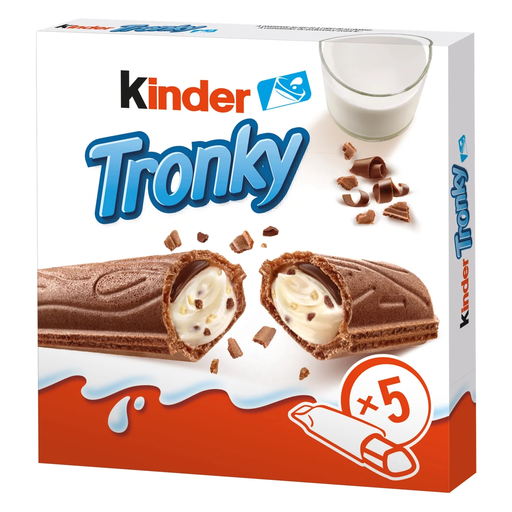 Image unavailable
If you want to serve one with coffee, the listing describes five cocoa wafers covered in milk chocolate and individually wrapped. The recipe includes wheat, milk, soya and hazelnuts, among other ingredients; check the packaging if you need to avoid an allergen.
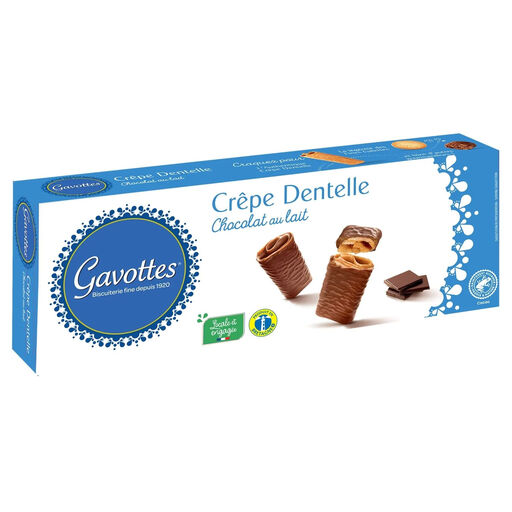 Image unavailable
For a crisp bite with your coffee, these are lace crepes coated in milk chocolate, not classic wafers. The product name states 90 g and a pack of 6; don’t assume each piece is individually wrapped. The ingredients include wheat, milk and soya, among others.
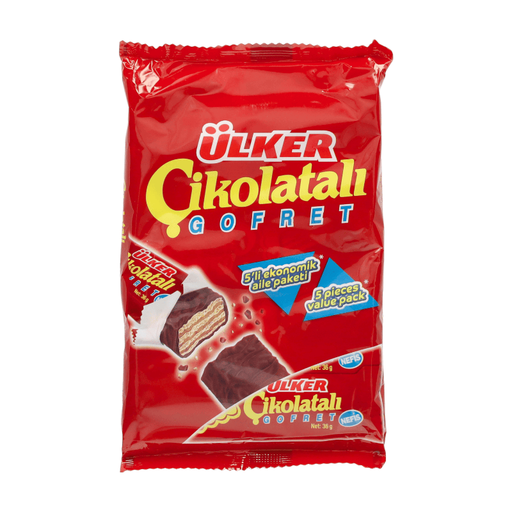 Image unavailable
If you’re looking for a milk chocolate wafer with hazelnuts, the description states that it has a milk chocolate coating and contains 9.5% hazelnut purée. Check the net weight on the packaging before choosing this format, as the weight details in the listing don’t match. The ingredients include wheat, milk, soya, egg and hazelnuts, among others.
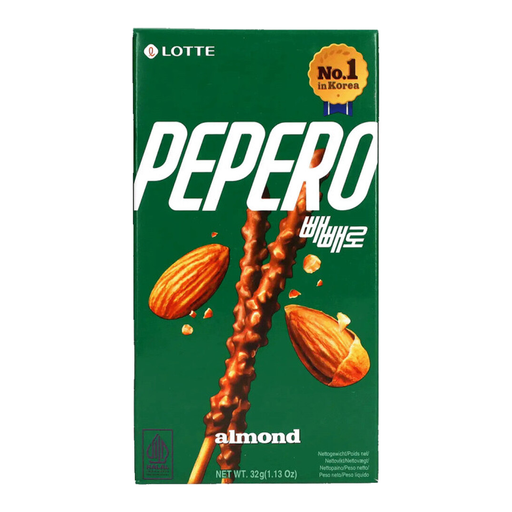 Image unavailable
If you’d rather serve biscuit sticks than wafers, this product combines a biscuit coated in milk chocolate with chopped almonds. The pack states 32 g but doesn’t specify the number of sticks. The listing mentions wheat, milk, soya and almonds.
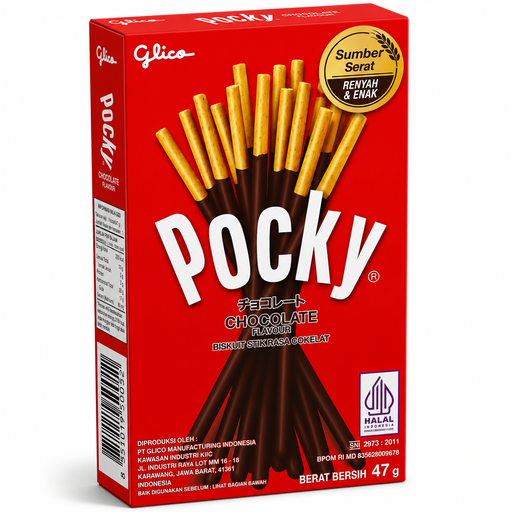 Image unavailable
If you prefer chocolate-coated biscuit sticks to wafers, this product comes in a 47 g pack. The number of sticks isn’t stated; the listing mentions wheat, milk and soya among the allergens to check on the packaging.
The products featured here are chocolate-coated wafers or biscuits, not slices of bread. If you’re looking for a bite to enjoy with coffee, search for “chocolate-coated wafers”, then narrow it down by the type of chocolate or format you want.
Check the ingredients list and any warnings about possible traces on the packaging for the exact product: the products described often contain wheat, milk or soya, and some also contain egg or nuts. France’s Directorate General for Competition Policy, Consumer Affairs and Fraud Control states that allergenic ingredients must be highlighted on the labels of prepacked foods sold in France.
Coffee isn’t suitable for children or teenagers: Manger Bouger recommends avoiding caffeinated drinks for these age groups. It also advises limiting sugary, high-fat foods as part of a regular snack.
First compare the net weight and number of pieces based on how you want to serve them. Then compare the ingredients, allergens and nutritional values on the same basis, particularly per 100 g. If the products you’re comparing display a Nutri-Score, it provides extra information but doesn’t replace checking their ingredients.
No. Check what your store has in stock before choosing a specific product. When we checked the Carrefour listing for Fortwenger wafers, they were marked as unavailable for Drive collection. The E.Leclerc listing for P’TIT DELI also advised checking availability with the relevant store.