Older people who enjoy a chocolatey snack
If biting and chewing aren’t a problem, you can choose between a filled rusk and a chocolate-coated biscuit, then consider the format, ingredients and nutritional information.


For an older person who can comfortably bite and chew, choose a filled Cracotte if they’re looking for a rusk-style snack, or a chocolate-coated biscuit or wafer if the chocolate coating matters more. These crunchy products may not be suitable for someone who has difficulty chewing or swallowing, so also compare the allergens and nutritional information for the specific product you buy. Unintentional weight loss calls for medical advice, not just a change of biscuit.
If biting and chewing aren’t a problem, you can choose between a filled rusk and a chocolate-coated biscuit, then consider the format, ingredients and nutritional information.
An uncomfortable denture or oral discomfort can make crunchiness a key consideration. The French Health Insurance service advises discussing any difficulty chewing or swallowing with a dentist.
A favourite biscuit alone won’t address unintentional weight loss. France’s National Information Portal for Older People recommends consulting a doctor if someone experiences abnormal weight loss.
First check whether the person can bite and chew comfortably. Then choose a type of biscuit and read the label of the product you’re considering.
Consider this: if the person would like a rusk with a chocolate filling and is comfortable with a crunchy texture.
Keep in mind: Carrefour describes the LU Cracotte as filled, not completely coated in chocolate.
Consider this: if the person wants a chocolate coating and can bite and chew comfortably.
Keep in mind: the word “coated” tells you nothing about how easy the product is to chew or its nutritional content.
Consider this: if biting is difficult, rather than automatically opting for a crunchy biscuit.
Keep in mind: if someone has difficulty chewing or swallowing, choose a texture suited to their individual needs, with advice from the relevant healthcare professional.
| Consideration | What to check | Who it matters to |
|---|---|---|
| Comfort when chewing | The stated texture and whether the person can bite and chew without discomfort. | If biting and chewing are tiring or painful, oral comfort matters more than chocolate. Around 36% of consumers would put this comfort first when making their choice. |
| Appetite and weight loss | Any unintentional weight loss; seek medical advice if it occurs. | If someone close to you has a reduced appetite or is losing weight, finding a snack they enjoy isn’t enough to address the situation. Around 29% of consumers would make nutritional needs their priority. |
| Ingredients and allergens | The values per 100 g and the allergens listed on the exact product packaging. | If an ingredient needs to be avoided or you’re comparing several products, the label is the best place to start. Around 21% of consumers would mainly rely on it. |
| Type and format | Whether it says “filled” or “coated”, and the pack’s net weight. | To find the chocolatey texture you want in a suitable pack size, it’s important to distinguish between rusks, biscuits and wafers. This would be the main consideration for around 14% of consumers. |
The LU Cracotte listed by Carrefour is a chocolate-filled rusk; chocolate-coated wafers are a different type of product.
Check the product description: look for “filled” if you want a rusk, and “coated” if you want chocolate around the biscuit.
A description of a product as crunchy doesn’t tell you whether the person will be able to chew it comfortably.
Ask whether they can bite and chew without discomfort. If chewing or swallowing is a problem, speak to the relevant healthcare professional before choosing a texture.
Nutritional values and allergens vary from one product to another. The Auchan wafer described by the retailer contains 36.9 g of sugars and 19.4 g of saturated fatty acids per 100 g; these figures don’t apply to other biscuits.
Compare the nutritional information per 100 g and check the allergens on the pack you choose.
A snack someone enjoys isn’t a substitute for assessing unintentional weight loss. France’s National Information Portal for Older People recommends consulting a doctor if someone experiences abnormal weight loss.
Keep the choice of biscuit separate from this medical process.
Carrefour lists a 200 g box of chocolate-filled LU Cracotte in its rusks and crispbreads category.
Carrefour lists chocolate-coated wafer biscuits in its EXTRA range, including a 150 g pack.
Auchan lists chocolate-coated filled wafers in a pack of 16 biscuits, weighing 150 g.
ALDI describes Choco Rondo as a milk chocolate-coated wafer with a cocoa-flavoured filling.
Lidl describes Kinder Bueno as a crispy wafer with a milk and hazelnut centre, coated in milk chocolate.
These products include chocolate-coated biscuits, lace-thin crêpes and wafers for a chocolatey snack. Choose them only if the person is comfortable with the texture of the product in question; they aren’t a like-for-like alternative to a filled Cracotte.
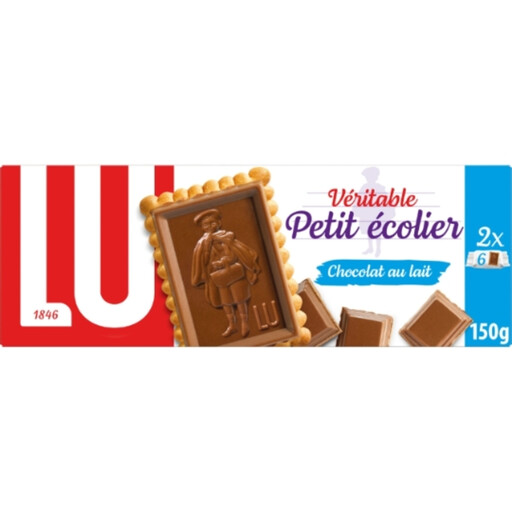 Image unavailable
Worth considering if the person would like a chocolate-coated biscuit and can bite and chew comfortably. Check the ingredients and allergens on the pack you choose.
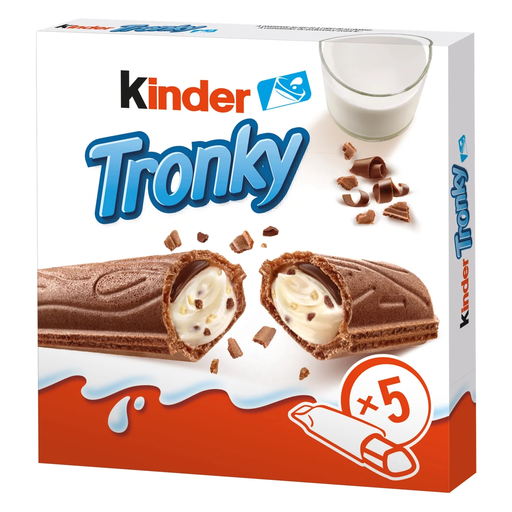 Image unavailable
For someone looking for a chocolate-coated wafer who is comfortable with a crunchy texture. If they have difficulty chewing, don’t assume this format will suit them; check the allergens on the packaging too.
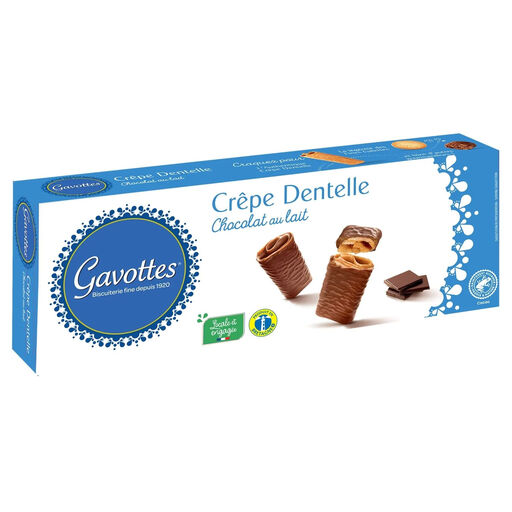 Image unavailable
Worth considering if the person prefers a chocolate-coated lace-thin crêpe and can bite and chew without discomfort. Check the pack size, ingredients and allergens of the product you receive.
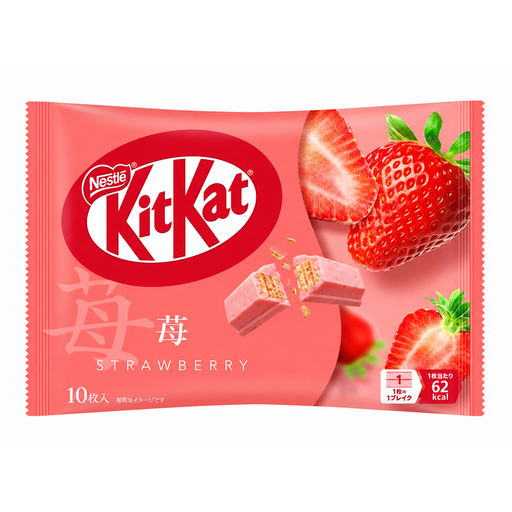 Image unavailable
This bar format is for someone looking for a strawberry-flavoured wafer who is comfortable with a crunchy texture. Check the nutritional information and allergens on the packaging before comparing it with other products.
No. Their crunchy texture may be a problem for someone who has difficulty chewing or swallowing. The French Health Insurance service advises discussing any difficulty chewing or swallowing with a dentist. Choose a texture that suits the person’s circumstances.
Check the product description, ingredients, allergens, net weight and use-by or best-before date. To compare the nutritional information for two products, look at the values per 100 g, particularly sugars and fats.
No. France’s National Information Portal for Older People recommends consulting a doctor if someone experiences abnormal weight loss. Choosing a snack doesn’t replace this assessment.
Follow the storage instructions on the packaging of the product you’ve bought and check its date marking. Storage requirements may vary from one product to another.
Look at the ingredients list: according to the DGCCRF, allergenic ingredients must be highlighted there. Also check the packaging you’ve bought for any warnings that the product may contain traces of allergens.