Hosts who want to serve without any prep
If you’d rather put chocolate straight on the table than break up a bar, look for bags of bite-sized pieces and ready-to-serve squares. Lindt France and Côte d'Or both offer formats designed for sharing.


To serve chocolate without having to break it up, choose a bag of bite-sized pieces or ready-to-serve squares. A bar or multipack is a good option if you can prepare it for serving and want to choose each variety yourself. Either way, check the quantity, ingredients and allergens for each product.
If you’d rather put chocolate straight on the table than break up a bar, look for bags of bite-sized pieces and ready-to-serve squares. Lindt France and Côte d'Or both offer formats designed for sharing.
If someone needs to avoid an ingredient, the exact recipe matters more than the format. Check the packaging for each chocolate you plan to serve, paying particular attention to milk, nuts, soya and cereals containing gluten.
When choosing between milk chocolate, dark chocolate and varieties with added ingredients, compare the ingredients and, if it matters to you, the sugars and fat per 100 g. You can’t tell these differences from the packaging alone.
For drinks and nibbles with friends, first decide how you’ll serve the chocolate, then check the recipe of each product you plan to share.
| Criteria | What to check | Who is it for? |
|---|---|---|
| Format and serving | Net weight, stated number of pieces, and whether or not you’ll need to break up the chocolate. | If you want guests to help themselves, ready-to-serve pieces save you from preparing a bar. Around 34% of consumers put ease of serving first. |
| Allergens | Ingredients, highlighted allergens and any ‘may contain’ warnings on each product. | If a guest needs to avoid an ingredient, check the exact chocolate you’re serving, even if it’s dark. This is a priority for around 33% of consumers. |
| Recipe and variety | Type of chocolate, stated cocoa percentage and any added ingredients. | If your group has different tastes, you can choose several varieties instead of a single bar. Variety is the top consideration for around 20% of consumers. |
| Nutritional information | Nutritional values per 100 g, particularly sugars and fat, and the stated portion size if it appears on the packaging. | If you’re comparing two varieties, you’ll want to compare their values on the same basis rather than relying on the colour of the packaging. Around 13% of consumers prioritise checking this information. |
A bag of ready-to-serve pieces and a bar that needs breaking up aren’t equally convenient to serve. A large pack doesn’t, by itself, tell you how many pieces there are to offer.
Compare the net weight and the number of pieces, if stated, and consider how you plan to serve the chocolate.
Dark chocolate is not automatically free from milk or nuts. According to Carrefour Traiteur’s product information for Nestlé 70% dark chocolate, this product may contain traces of these ingredients.
Before serving chocolate to someone with an allergy, check the ingredients and any ‘may contain’ warnings on the packaging of the product you’ve bought.
In France, Santé publique France says that displaying Nutri-Score is voluntary. It’s separate from the nutrition declaration, which the DGCCRF says is compulsory for most pre-packed foods.
Use Nutri-Score if it appears on the product, but don’t let it replace checking the nutritional values and ingredients.
The levy referred to by the French Ministry of the Economy applies to non-alcoholic drinks. It’s not a factor when choosing a bar or bag of chocolate.
When comparing chocolates, check the sugars per 100 g and the quantity you plan to serve instead.
A familiar choice for milk chocolate bars to share: a 200 g product is listed on Joybuy France.
Lindt France features a 1 kg Lindor sharing bag, while Excellence bars let you choose a specific variety.
Carrefour Traiteur describes a 210 g bag of 70% dark chocolate containing 27 squares.
The brand offers a 510 g Family Pack Mignonnette with 51 squares. Joybuy France also lists a 180 g milk chocolate bar with raisins and hazelnuts.
Carrefour’s French range includes multipacks of two 100 g bars.
E.Leclerc is a retailer where you can check the range at your chosen store, rather than a single chocolate variety.
This selection includes a bag of chocolate treats to put on the table, a multipack of bars and bars of chocolate to break up. Choose the format to suit how you plan to serve it, then check the recipe of each product.
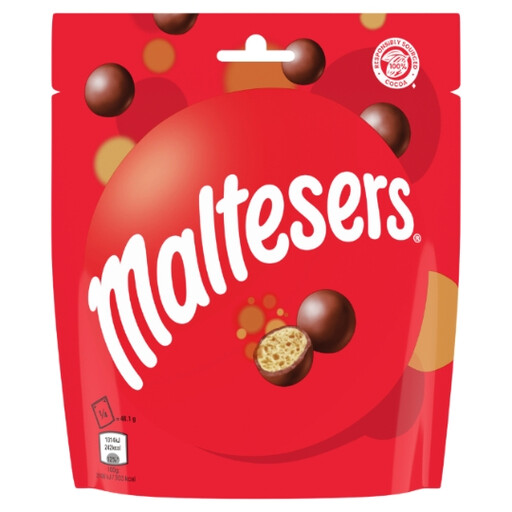 Image unavailable
This bag is a good choice if you want to put chocolate treats out for guests without breaking up a bar. The honeycomb centre is mentioned in the product name. Check the net weight on the packaging, as the weight details associated with this product vary.
 Image unavailable
This multipack is a good choice if you’d prefer to have three bars to share. Plan how you’ll serve them to your guests, and check the ingredients and packaging of each bar.
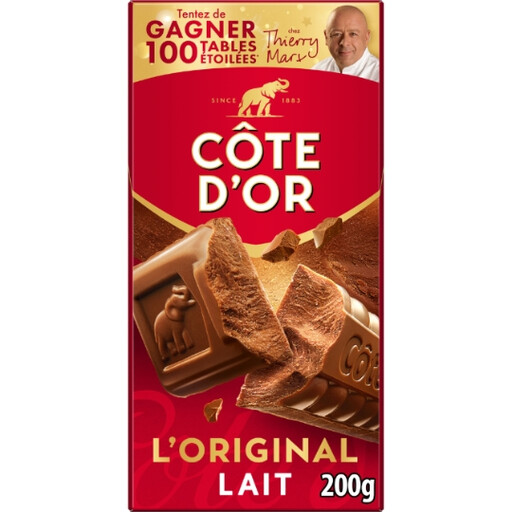 Image unavailable
This milk chocolate bar is a good choice if you can break it into pieces before serving. It weighs 200 g. Check the allergens on the packaging before sharing it with your group.
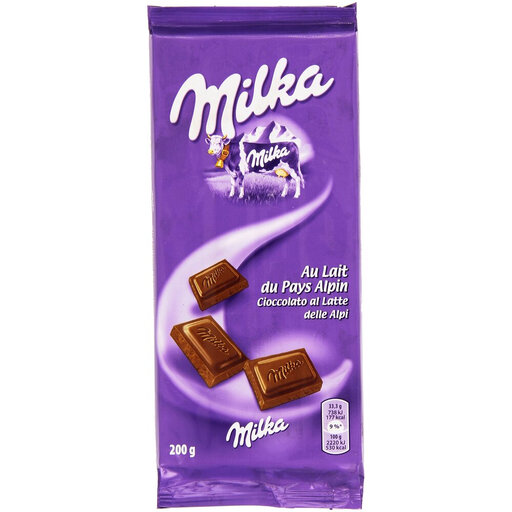 Image unavailable
This 200 g bar is a good choice if you want to serve milk chocolate in pieces. The documented product contains milk, hazelnuts and soya. Check the label before sharing it with guests who need to avoid these ingredients.
 Image unavailable
This bar is a good choice if you want to offer dark chocolate with a stated cocoa percentage. Its 100 g format is worth bearing in mind when deciding how many guests to serve. Check the allergens on the packaging before serving.
No. The levies on non-alcoholic drinks referred to by the French Ministry of the Economy don’t apply to chocolate: a bar or bag of chocolate isn’t a drink. To compare varieties, check the sugars per 100 g instead.
No. Santé publique France says that Nutri-Score is voluntary. The DGCCRF distinguishes it from the nutrition declaration, which is compulsory for most pre-packed foods. This declaration lets you compare sugars and fat per 100 g, among other things.
Read the packaging for every product you plan to serve, including highlighted ingredients and any ‘may contain’ warnings. Don’t assume a product is allergen-free just because it’s called ‘dark chocolate’ or has no visible added ingredients.
This is a best-before date, which is different from a use-by date. Anses explains that a product may lose some of its quality after this date. Follow the storage instructions on the packaging.