Dark chocolate fans
You’re looking for a recipe that puts cocoa firmly centre stage, rather than one where the hazelnut flavour takes over. Check the product description and, where stated, the cocoa content.


For a TV night, choose a recipe labelled “dark” or “intense cocoa” if chocolate flavour is your priority. A classic cocoa and hazelnut spread is a good choice if you’re looking for a familiar flavour to share. If it’s essential that the spread is dairy-free, check the exact product for an explicit claim: “dark” and “organic” don’t guarantee that it is. In every case, compare the ingredients, allergens and nutritional values per 100 g rather than judging the ingredients by the recipe name alone.
You’re looking for a recipe that puts cocoa firmly centre stage, rather than one where the hazelnut flavour takes over. Check the product description and, where stated, the cocoa content.
You’re planning to serve toast, crêpes or biscuits for everyone to share. Choose a jar size that suits the number of guests and the other snacks on offer, rather than assuming you’ll use up a larger jar.
You need a recipe that’s explicitly labelled dairy-free. Check the other ingredients and allergens in the jar you choose too: a “dark” or organic spread won’t automatically meet this requirement.
For a TV night, start with what matters most: a rich cocoa flavour, a jar that’s just right for sharing, or ingredients that suit your guests. Terms such as “praline” and “dark” are no substitute for reading the label.
| What to consider | What to check | Who is it for? |
|---|---|---|
| Cocoa intensity | The recipe description and, where stated, the cocoa content; then the ingredients list. | If I mainly want the taste of dark chocolate, I look for a recipe that clearly highlights cocoa. Around 33% of consumers prioritise this intensity. |
| Sharing size | The jar’s net weight and how much your guests are likely to use. | To serve several people without being left with a disproportionately large jar after the evening, I match the size to the snacks planned; this is the priority for around 45% of consumers. |
| Allergens and dairy-free requirements | The ingredients, allergen information and, if needed, an explicit “dairy-free” claim on the exact product. | If a guest needs to avoid dairy or an allergen, I check the ingredients before choosing a flavour. This comes first for around 22% of consumers. |
In France, the DGCCRF describes Nutri-Score as a voluntary label. Nutrition information, on the other hand, is compulsory for most prepacked foods, so the absence of a Nutri-Score isn’t enough reason to rule a jar out when comparing products.
If Nutri-Score appears on the packaging, read it alongside the nutritional values per 100 g, ingredients and allergen information.
“Dark” or “intense cocoa” describes the flavour profile, but doesn’t in itself tell you the amount of cocoa or sugar. For example, Lindt France states that its Noir cacao intense spread contains 17% fat-reduced cocoa and 40 g of sugars per 100 g.
Compare the recipe and nutritional values of the jar you’re considering, without assuming that a more chocolatey flavour means better nutritional value.
A dark chocolate recipe may still contain milk or nuts. Lindt France, for example, lists hazelnuts, milk, almonds and soya in its Noir cacao intense spread. And a “dairy-free” claim on another recipe doesn’t mean it’s “nut-free”.
Before serving the product, read the ingredients list and allergen information on the exact jar.
Its 200 g Noir cacao intense spread is aimed at people looking for a recipe specifically positioned as dark chocolate.
The Nocciolata range includes L’Intense, a cocoa and hazelnut spread that the brand describes as organic and dairy-free.
Carrefour Bio Hazelnut Spread, in a 700 g jar, is a larger-format cocoa and hazelnut option, but it isn’t described here as a “dark” recipe.
A classic cocoa and hazelnut spread to consider when guests prefer this type of recipe to a spread described as intense.
These jars are cocoa and hazelnut or praline recipes to enjoy with toast, crêpes or other TV-night snacks. Their inclusion in this selection doesn’t mean they have the flavour of a recipe labelled “dark” or “intense cocoa”. If that matters to you, check the label.
 Image unavailable
The 1 kg jar is worth considering if you’re planning to serve toast or crêpes on several occasions. Choose the size to suit how you’ll use it, rather than treating it as a dark chocolate recipe.
 Image unavailable
This 250 g jar is a good option if you’re looking for a particular size and an organic cocoa and hazelnut recipe. Don’t confuse it with Nocciolata L’Intense: if you need a dairy-free spread, check the label on this jar.
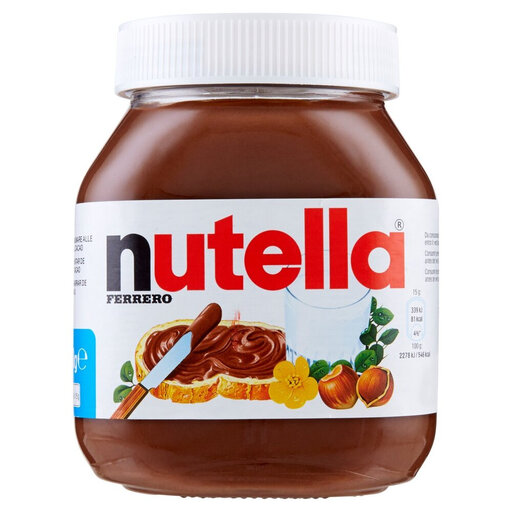 Image unavailable
The 630 g jar gives you another size to consider for snacks to share. If dark cocoa flavour is your priority, check the recipe rather than trying to judge it from the jar size.
 Image unavailable
The 400 g jar is worth considering if the size suits the toast or desserts you have planned. “Organic” doesn’t tell you how intense the cocoa flavour is or which allergens it contains, so check the label on the jar.
 Image unavailable
This 200 g jar lets you try a recipe described as praline in a smaller size. If you’re mainly looking for intense cocoa or need to avoid an allergen, check the ingredients on the exact jar.
No. The DGCCRF describes Nutri-Score as a voluntary label. Nutrition information is compulsory for most prepacked foods, though, so use the values per 100 g to compare jars, whether or not they display a Nutri-Score.
First, choose a size that suits the number of guests and a recipe that matches their tastes. Then compare the ingredients and nutritional values per 100 g, particularly the sugars and fats. The net weight can help you avoid buying a jar that’s too large for how you plan to use it.
No. The label alone doesn’t tell you how much sugar the product contains. Lindt France states that its Noir cacao intense spread contains 40 g of sugars per 100 g. Check the nutritional information on the jar you choose before comparing two recipes.
Read the ingredients and allergen information on the exact product before serving it. Lindt France lists milk and several nuts in its Noir cacao intense spread. Rigoni di Asiago describes Nocciolata L’Intense as dairy-free, but that doesn’t mean it’s nut-free.