People shopping for a quick top-up
You need a jar for occasional use and want to check it’s available before setting off. A smaller size can also help you avoid buying more than you need.


For a quick top-up shop, first choose a size that suits the amount you need and check that the jar is available at your store or for click and collect. Next, read the ingredients and allergen information, then compare the nutritional values per 100 g if several recipes suit you. In France, the DGCCRF says that Nutri-Score is optional, so if it’s not shown, you should still check the nutritional information.
You need a jar for occasional use and want to check it’s available before setting off. A smaller size can also help you avoid buying more than you need.
Check the label on the product you choose. Recipes listed by Auchan and Carrefour include ingredients such as hazelnuts and milk, as well as soya or warnings about other nuts, depending on the product.
The proportion of hazelnuts, the oils used or organic certification may influence your choice. None of these factors tells you everything about the jar’s nutritional values.
For a quick top-up, first check that you can get the size you want. Then rule out any recipes that don’t meet your household’s dietary needs before comparing labels.
| What to consider | What to check | Who is it for? |
|---|---|---|
| Size and availability | The jar’s net weight and whether it’s available at your chosen store or for click and collect. | If you need the jar for breakfast or a snack without delay, you’ll want to get the right amount quickly. Around 42% of consumers put size and availability first. |
| Allergens | The ingredients list and allergen information on the jar you’re actually buying. | If someone in your household needs to avoid an ingredient, checking that the recipe is suitable comes before its other features. Around 33% of consumers make this their priority. |
| Recipe and label | Ingredients, nutritional values per 100 g and Nutri-Score, if shown. | When choosing between jars that suit their household, some consumers focus on the recipe and nutritional information. Around 25% make these their top priority. |
The DGCCRF distinguishes Nutri-Score, which is voluntary in France, from the nutrition declaration required for relevant prepacked foods. So, the absence of the logo alone doesn’t tell you whether a product’s labelling is complete.
If the logo isn’t shown, compare the jars using the ingredients list and nutritional values per 100 g.
A “no palm oil” claim, organic certification or a stated proportion of hazelnuts tells you about one aspect of a recipe, not all its nutritional values or allergens.
Focus on what matters to you, then check the ingredients, allergen information and nutrition table for the exact product.
A product listing may show a jar without confirming that it’s available at the store where you plan to shop. E.Leclerc, for example, asks customers to check in-store availability for the Nos Régions ont du Talent product mentioned here.
Select your store or click-and-collect option and check availability before setting off.
Without checking first, your trip might not solve your top-up shopping need.
These examples relate to specific recipes or products. The brand name alone won’t tell you what’s in the jar you buy.
Worth considering if you’re looking for a chocolate spread you already know.
A cocoa and hazelnut recipe to consider if organic and palm-oil-free claims are among your priorities.
An E.Leclerc 400 g product to consider if the proportion of hazelnuts is your main priority.
A 200 g cocoa and hazelnut product to compare if you’re looking for a smaller jar.
These sizes range from an individual portion to a family-sized jar. For a quick top-up, choose the quantity and type of recipe that suit you, then check availability when you order.
 Image unavailable
This 200 g jar may suit you if you need a smaller amount for occasional use. Check the ingredients and allergen information on the label before choosing it.
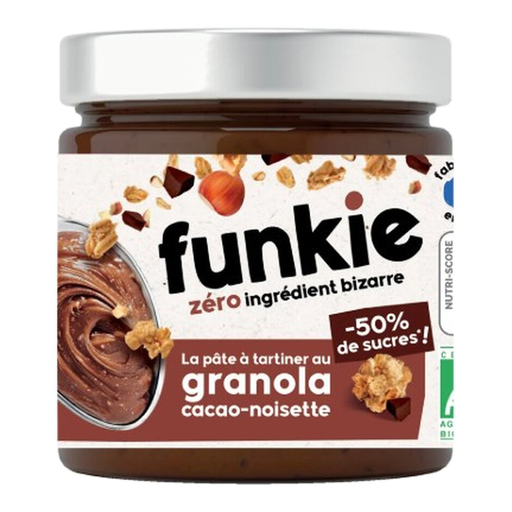 Image unavailable
This 200 g spread combines hazelnuts and granola in a recipe described as crunchy. If you avoid certain ingredients, check the jar’s label. It’s also worth checking the storage instructions after opening.
 Image unavailable
This 250 g jar may suit you if you’re looking for an organic cocoa and hazelnut spread. To check whether the recipe is right for your household, read the ingredients, allergen information and nutritional values rather than relying on the organic claim alone.
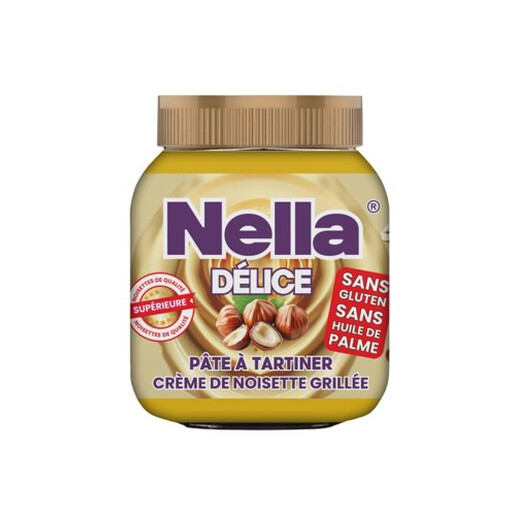 Image unavailable
This 320 g jar is for anyone looking for a spread that puts roasted hazelnuts centre stage. If you’re also expecting a cocoa recipe, check the ingredients for this product before ordering.
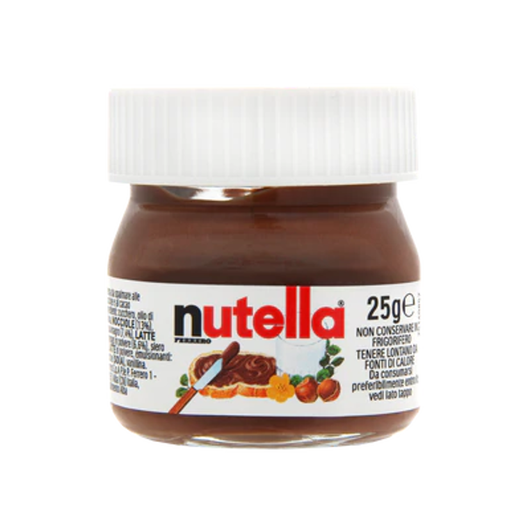 Image unavailable
This 25 g portion is ideal if you need a very small amount rather than a jar to keep. Check the packaging for the ingredients list, allergen information and nutritional details for this product.
No. The DGCCRF says that Nutri-Score is voluntary, while a nutrition declaration is required for relevant prepacked foods. If the logo isn’t shown, compare the nutritional values per 100 g and the ingredients list.
Read the ingredients list and allergen information on the jar you’re going to buy. The products mentioned here don’t all have the same ingredients. Depending on the recipe, the Auchan and Carrefour listings mention hazelnuts and milk, among other ingredients.
Not unless that’s your deciding factor. It tells you which oil is used, but not everything about the ingredients, allergens or nutritional values. Compare these details for the specific products you’re considering.
Check that your preferred size is available at the store or for click and collect before setting off. For example, an E.Leclerc listing for Nos Régions ont du Talent chocolate spread asks customers to check availability with the store.