Organisers planning lots of portions
You need to estimate how much you’ll need for the toast, crêpes or waffles, then choose sizes that work for serving without opening more jars than necessary.


For a village fête, start by choosing a size based on the number of portions you need to prepare. A large jar makes it easier to serve lots of people, while several smaller jars let you tailor the quantity to your plans. Then compare recipes by their ingredients and nutritional values, and check the allergen information on the packaging of the products you’ll actually be serving.
You need to estimate how much you’ll need for the toast, crêpes or waffles, then choose sizes that work for serving without opening more jars than necessary.
You’re welcoming a varied crowd and need to be able to check the ingredients and any ‘may contain’ warnings for every product used at the fête.
You’re looking for a specific hazelnut content, an organic recipe or a palm-oil-free option. Check these details for each product individually, and remember that they don’t replace a look at the nutritional information.
Start by estimating how much you’ll need to serve, then compare recipes that meet your needs. Before choosing a product, check its label for the people who’ll be eating it.
| What to consider | What to check | Who it matters to |
|---|---|---|
| Quantity and size | Estimate how much you’ll need to serve, then compare the net weight of the jars and how many you’ll need. | If I’m preparing lots of portions, I want to have enough without opening more jars than necessary. Around 36% of consumers would put the quantity needed at the heart of their choice. |
| Allergens when serving | Read the ingredients and ‘may contain’ warnings on every jar you use; keep the labels handy while serving. | When I’m serving a varied crowd, I need to be able to answer questions about the allergens in each recipe accurately. Around 29% of consumers would prioritise access to this information. |
| Nutritional values | Compare sugars and saturated fat in particular, per 100 g; check the Nutri-Score if one is shown. | When comparing two recipes, I’d rather check their nutritional values on the same basis than rely on the front of the jar. Around 21% of consumers would make this their first consideration. |
| Recipe preferences | Check the proportion of hazelnuts and the ingredients; look for organic or palm-oil-free claims on the specific product. | If a particular recipe matters for my fête, I want to find the one that fits without assuming that every product from a brand is the same. This would be the main consideration for around 14% of consumers. |
A large size may suit a busy event, but could leave you with more opened product if fewer people turn up than expected.
First estimate how much you’ll need, then check the net weight and how many jars fit your plans.
Product information commonly lists hazelnuts and milk; depending on the product, the label may also mention soya or traces of other allergens.
Read the packaging of every product you actually use, and keep it close by so you can answer questions while serving.
According to Santé publique France, displaying it is voluntary. If it’s not shown, you should still check the nutritional information on prepacked food.
Compare the values per 100 g for similar chocolate spreads, and check the Nutri-Score if it’s shown.
A hazelnut percentage, an organic claim or the absence of palm oil tells you about one aspect of a recipe, not all of its ingredients or nutritional values.
Check the full ingredients list, allergen information and nutrition declaration for the product you choose.
The brand offers chocolate and hazelnut spread in several sizes, worth considering if you’re looking for a familiar branded recipe.
Carrefour offers this chocolate and hazelnut spread in a 400 g jar.
E.Leclerc offers Nustikao in a 1 kg size, which could be worth considering if you need a large jar for lots of portions.
The retailer offers a cocoa and hazelnut spread under its own brand, along with other recipes with different characteristics.
ALDI describes TARTICHOC® as a hazelnut spread in a 750 g jar, a size to consider for serving a group.
This selection includes jars in different sizes and chocolate and hazelnut recipes, some of which are labelled organic. For your fête, match the size to the quantity you’re planning and check the label of each product you choose before serving.
 Image unavailable
This 3 kg jar could be an option if you’re planning to serve lots of people. Work out how many portions you’ll need before choosing this size, and check the allergens on the label.
 Image unavailable
The 1 kg jar lets you plan your serving with a smaller container than the 3 kg option. Check how many jars you’ll need for your planned portions, and keep the labels handy.
 Image unavailable
This 400 g product is an option if you’re looking for an organic hazelnut and cocoa spread. If you’re planning to serve lots of portions, work out how many jars you’ll need and check the ingredients on the label.
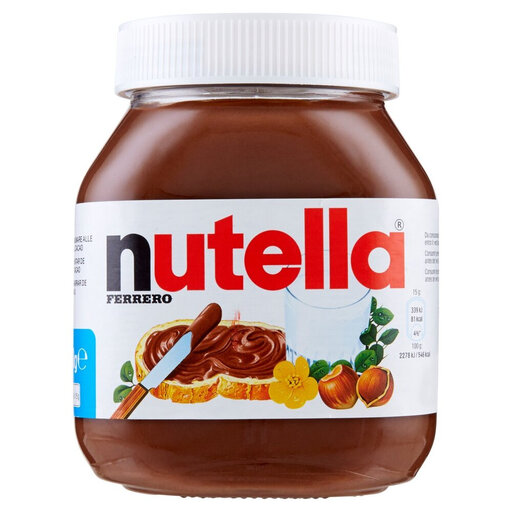 Image unavailable
The 630 g size gives you another jar option to help tailor the quantity you prepare. Compare its net weight with what you need for serving, and check the allergens on the jar you buy.
 Image unavailable
This 250 g organic recipe may suit you if its ingredients match what you’re looking for. For serving a group, work out how many jars you’ll need and check the ingredients on the product you buy.
No. In France, it doesn’t apply to solid chocolate spread sold in a jar: in the version published by Légifrance on 1 September 2026, the provisions cited apply to drinks and liquid preparations for sweetened or artificially sweetened drinks. When comparing chocolate spreads, check the nutritional values per 100 g instead.
No. Santé publique France says that displaying it is voluntary. If it appears on the jar, use it to compare similar products, but don’t let it replace a look at the ingredients and nutritional information.
Keep the packaging for each chocolate spread you use close by so you can check its ingredients and allergen warnings. The DGCCRF reminds businesses that allergenic ingredients must be highlighted on labels. If you’re preparing or distributing portions, also check the information requirements that apply to your way of serving them.
No. These claims don’t tell you how much sugar a product contains. The E.Leclerc product page for Bio Village lists 55 g of sugars per 100 g. Compare the nutritional values for each product you’re interested in, using the same 100 g basis.